As performance textiles evolve, one innovation stands out in activewear, medical garments, and thermal gear: Phase Change Material (PCM) lined fabrics. These are not just passive textiles—they store and release thermal energy, adapting to body heat and environmental changes in real-time.
PCM-lined fabrics use microcapsules embedded in the fibers or coatings, engineered to absorb excess heat when temperatures rise and release warmth when they fall. This smart thermal regulation makes them ideal for brands seeking to add intelligent insulation without bulky layers. But sourcing the right PCM fabric requires deep knowledge of suppliers, certifications, and manufacturing methods.
In this article, we’ll explore where to find PCM-lined fabrics, what features to evaluate, and how Fumao Fabric supports global buyers with development-ready options.
What Are Phase Change Materials and How Do They Work in Fabrics?
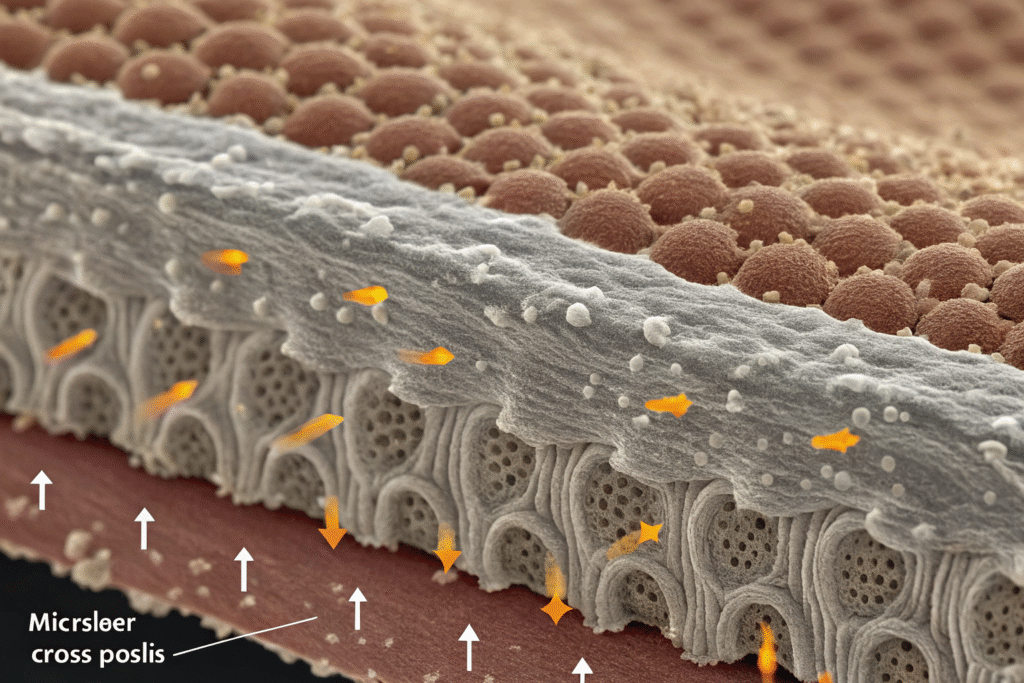
PCMs are substances that absorb and release thermal energy during phase transitions—typically solid to liquid and back. When embedded into textiles, these materials create fabrics that regulate skin temperature, improving wearer comfort across climates.
Most PCM-lined fabrics use microencapsulation technology to embed paraffin, bio-based waxes, or inorganic salts directly into coatings, linings, or core yarns.
How Do PCM Textiles Regulate Temperature?
When the environment heats up, the PCM absorbs energy and melts, storing heat. When temperatures drop, it solidifies and releases the stored energy—helping maintain a stable microclimate close to the body. This thermal buffering makes PCM fabrics highly desirable for sportswear, medical garments, and military uniforms.
Learn about how PCMs function in textiles or review Outlast® PCM technology.
What Are the Most Common PCM Types in Fabric?
- Organic PCMs: Paraffin waxes (non-toxic, stable)
- Bio-Based PCMs: Plant-oil derived, biodegradable options
- Inorganic PCMs: Salt hydrates, used in high-temp applications
Some suppliers, like Fumao, offer hybrid PCM formulations for different end-uses.
Explore PCM types at RAL certification or check Thermocules by Schoeller.
Which Applications Benefit Most from PCM-Lined Textiles?
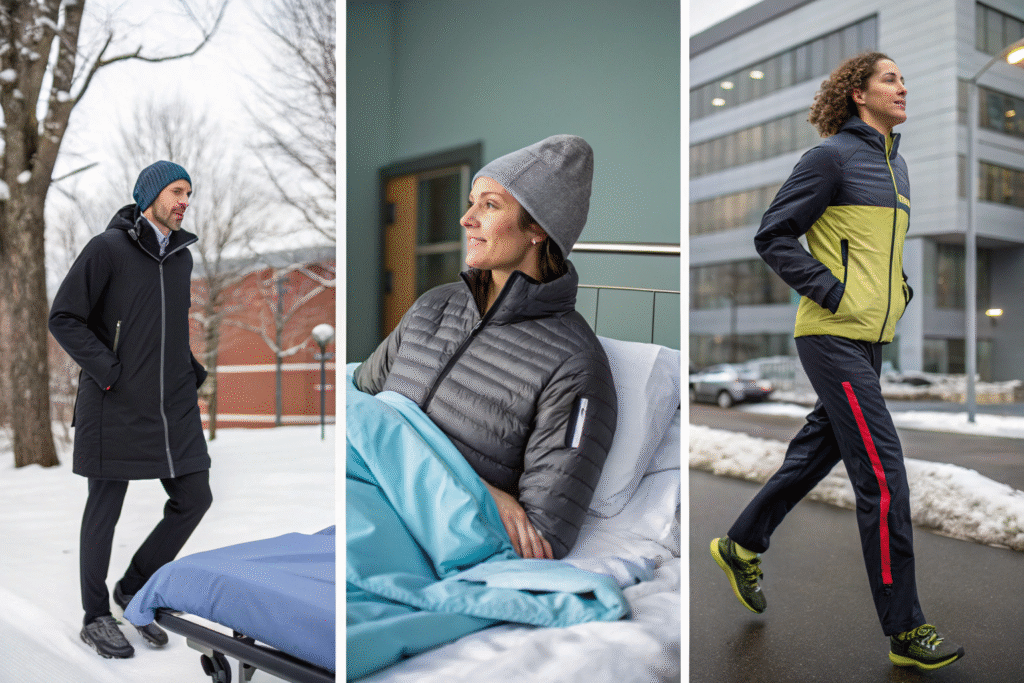
PCM technology allows one fabric to behave like many, adjusting to the user’s needs throughout the day. It’s particularly beneficial where thermal variability and comfort are critical.
Buyers across sportswear, sleep systems, occupational safety, and healthcare increasingly demand PCM-lined options that reduce layering while enhancing climate responsiveness.
Why Is PCM Fabric Popular in Activewear and Sports?
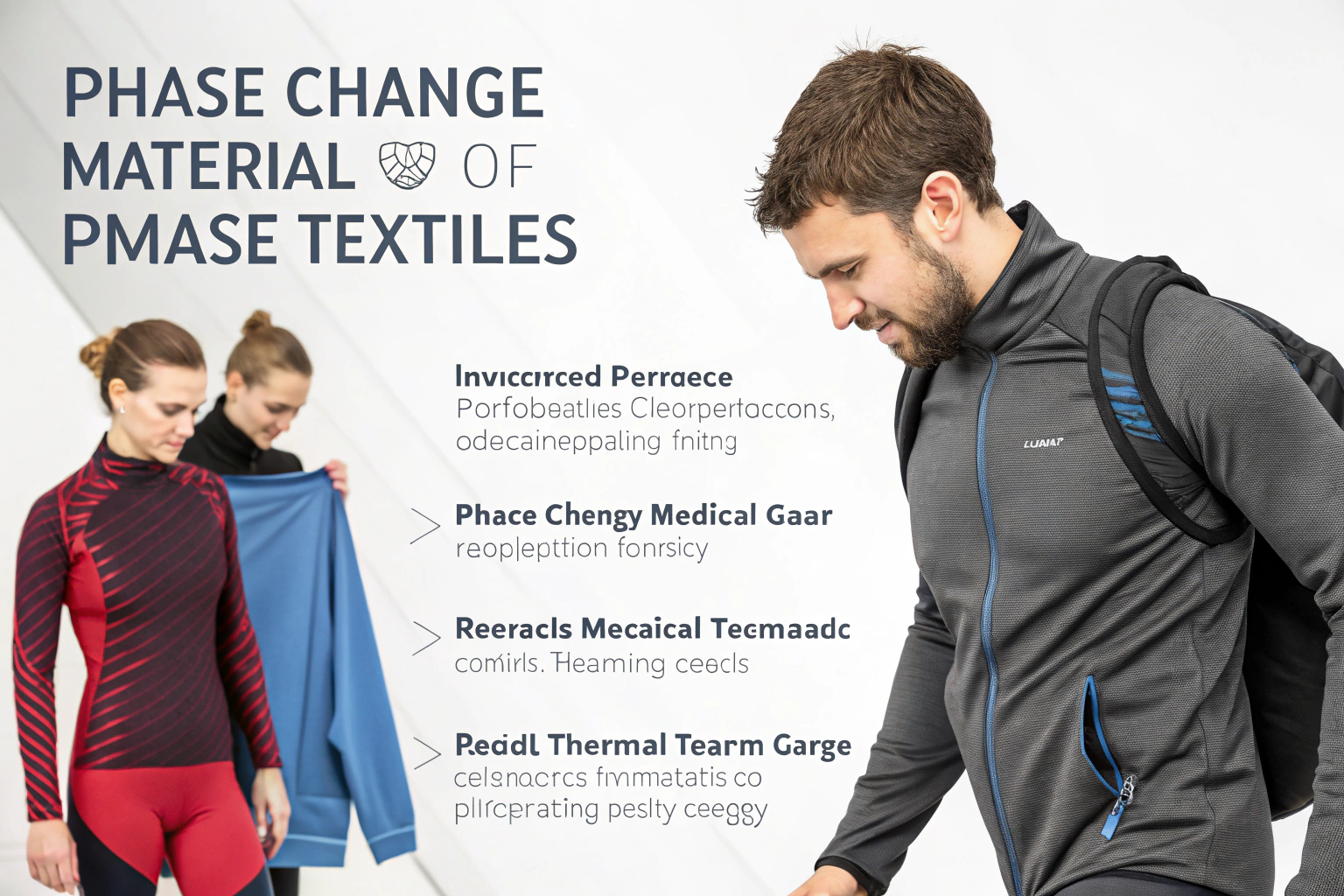
In active environments, body temperature fluctuates rapidly. PCM-lined fabrics help absorb this excess heat, preventing overheating, and then release it during cooldown—keeping performance consistent. The fabrics remain lightweight, moisture-wicking, and stretch-compatible.
Read about thermo-regulating fabrics in athletics or explore PCM garments in sportswear.
Are PCM Fabrics Used in Medical and Health Tech?
Yes. In post-operative care, burn therapy, and temperature-sensitive conditions, PCM fabrics stabilize thermal feedback, improving recovery and comfort. Products include hospital gowns, recovery wraps, and PCM pillowcases.
See clinical studies on PCM bedding or explore healthcare textiles innovation.
Where Are the Best PCM-Lined Fabrics Manufactured?
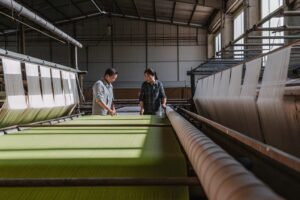
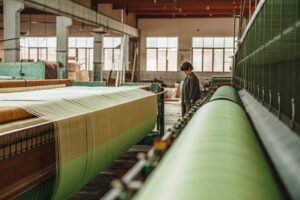
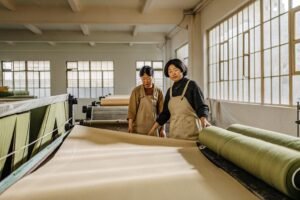
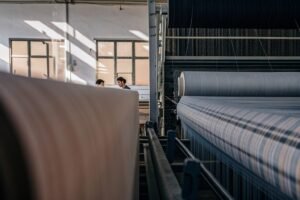
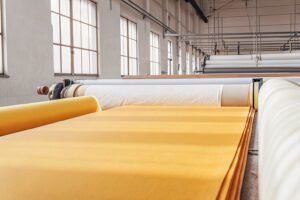
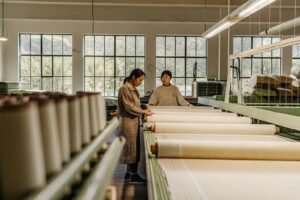
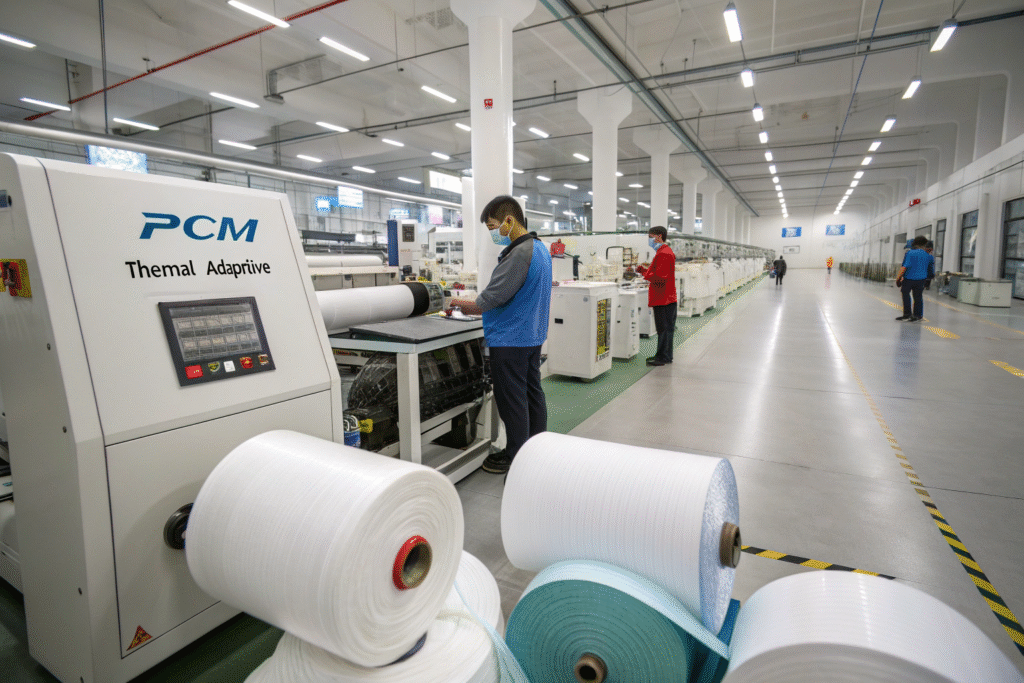
China leads the global supply chain for PCM-embedded textiles, with key production centers in Zhejiang, Jiangsu, and Guangdong. Fumao Fabric, based in Keqiao, offers vertically integrated PCM fabrics from yarn sourcing to lamination and testing.
We cooperate with technology partners providing certified PCM microcapsules, enabling thermal comfort ratings from 22°C to 32°C for various garment needs.
What Production Capabilities Should You Look For?
- Coating uniformity for thermal consistency
- Microcapsule density control (measured in grams/m²)
- Wash durability (15+ cycles)
- Breathability and air permeability balance
- Standard compliance: ISO 11092, ASTM D1518
Review fabric thermal testing standards or check PCM product certifications.
How Does Fumao Ensure PCM Fabric Quality?
We implement:
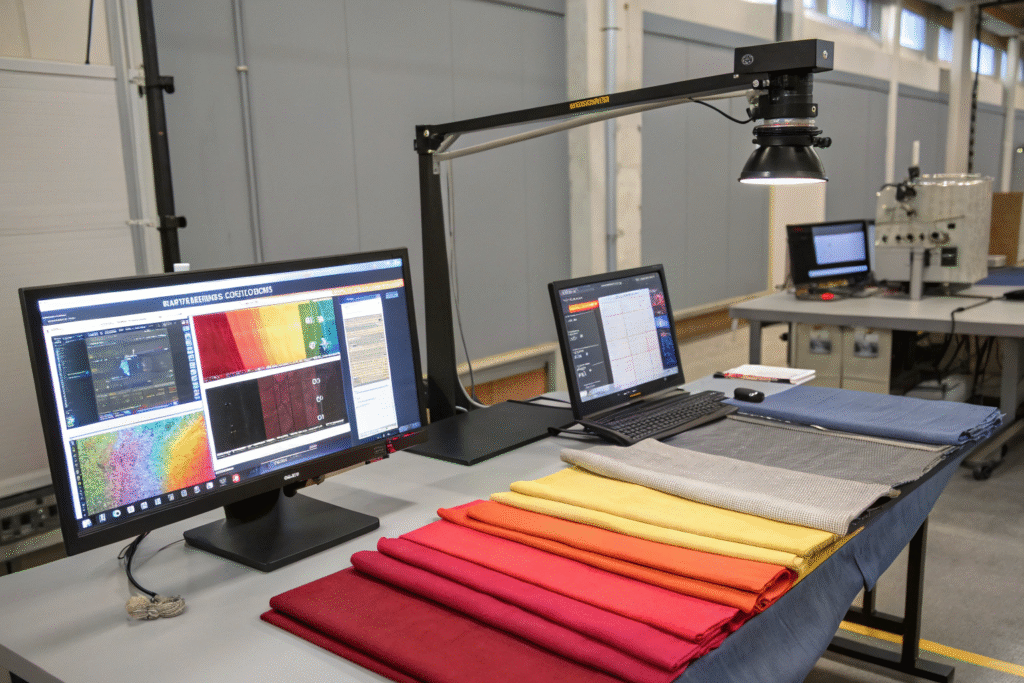
- Infrared thermal mapping to assess uniform heat distribution
- CNAS-accredited lab testing for coating adhesion and shrinkage
- Small-batch sampling (MOQ 300m) with custom GSM options
- End-to-end traceability with QR-labeled rolls and test reports
Learn about Fumao’s lab capabilities or explore coating and finishing options.
How to Evaluate PCM Fabric Performance Before Buying in Bulk?
Before committing to bulk orders, it’s essential to validate whether the PCM fabric performs to spec under real-world conditions. Key parameters include thermal buffering capacity, encapsulation durability, and recovery speed.
At Fumao, we provide performance lab testing alongside samples so you can evaluate usability, reactivity, and breathability before scale-up.
What Tests Should You Request for PCM Fabrics?
| Test Name | Purpose | Standard |
|---|---|---|
| Differential Scanning Calorimetry (DSC) | Measures latent heat and phase temp | ASTM D3418 |
| Thermal Resistance (Rct) | Breathability and insulation | ISO 11092 |
| Wash Durability | Microcapsule retention after laundering | ISO 6330 |
| Heat Flux Imaging | Thermal response under load | Custom/Visual |
Review DSC testing methodology or explore thermal test equipment suppliers.
Can PCM Fabrics Be Printed or Dyed?
Yes, depending on the encapsulation method and fabric base. At Fumao, we support digital printing, pigment dyeing, and PU/silicone finishing on PCM-lined fabrics without compromising performance.
Read about colorfastness on treated textiles or see smart fabric customization options.
Conclusion
PCM-lined fabrics represent the future of adaptive comfort—turning garments into smart thermal buffers that respond to your body and the environment. Whether you’re building outerwear, bedding, or technical base layers, sourcing high-quality PCM textiles requires trusted partners who understand coating, consistency, and certification.
At Fumao Fabric, we make this innovation accessible. From small-batch R&D to global-scale delivery, we offer PCM-lined textiles that are tested, traceable, and tailored to your application.
To receive swatches or develop custom PCM fabric solutions, contact our Business Director Elaine at elaine@fumaoclothing.com. Let’s engineer comfort that adapts—one degree at a time.