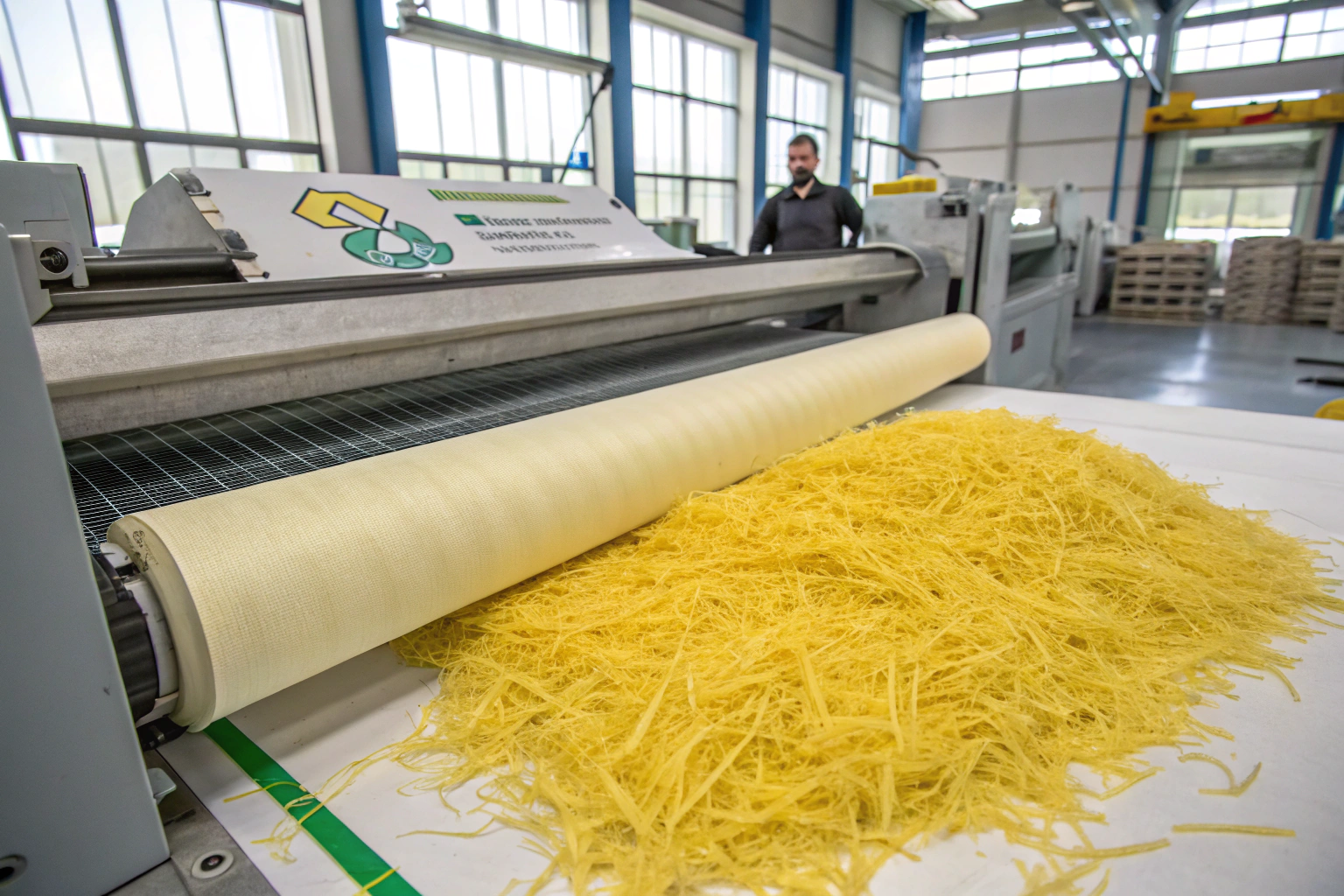
Recycled Kevlar® is transforming how protective workwear and cut-resistant garments are made. While virgin Kevlar® has long been the gold standard in puncture and slash resistance, its production process is energy-intensive and costly. Today’s buyers are increasingly seeking sustainable alternatives that offer the same protection with lower environmental impact.
That’s where recycled Kevlar® comes in—a circular solution with performance nearly identical to new aramid fibers, but with reduced carbon footprint and lower price per unit. However, sourcing this material requires knowledge of certified suppliers, traceable processing chains, and real-world performance data.
In this guide, we’ll walk you through what recycled Kevlar® is, who’s producing it, how to evaluate its effectiveness, and how Fumao Fabric helps global buyers integrate it seamlessly into their apparel lines.
What Is Recycled Kevlar® and How Is It Produced?
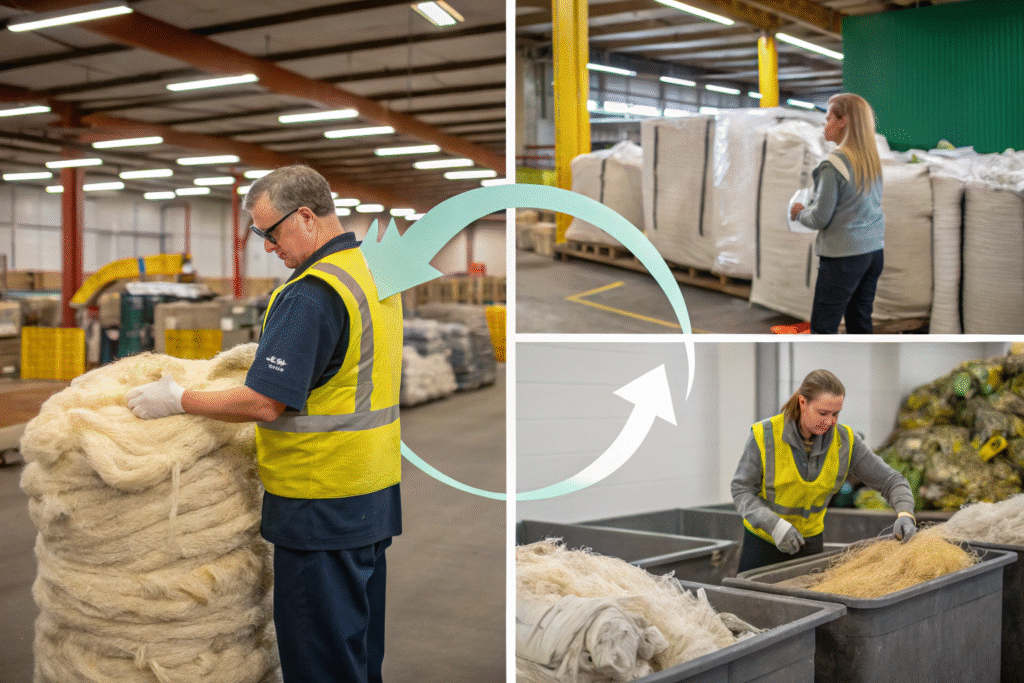
Recycled Kevlar® is made by recovering aramid fibers from pre- or post-consumer waste—typically off-cuts from glove factories, expired body armor, or rejected fabric batches. These are processed via mechanical shredding, chemical extraction, or hybrid reclamation methods, then spun into usable yarns.
Unlike traditional recycling, aramid regeneration requires advanced know-how to retain fiber strength and cut resistance. Only a few mills in Asia and Europe have mastered this.
How Is Fiber Strength Retained in Recycled Aramids?
Kevlar’s rigid molecular backbone makes it challenging to recycle without breaking down the strength. Leading facilities now use low-temperature pulping, acid-free recovery, and fiber-length sorting to preserve performance integrity.
Learn about aramid fiber recycling technology or view Kevlar® material structure.
What Types of Apparel Can Use Recycled Kevlar®?
Recycled Kevlar® can be used in:
- Cut-resistant gloves
- Industrial aprons
- Tactical vests (non-ballistic)
- Work pants and jackets
- Motorcycling apparel
These fabrics are often blended with nylon, spandex, or modacrylic to enhance flexibility and comfort.
See Kevlar® blend applications or explore workwear certifications.
Who Are the Leading Producers of Recycled Kevlar® Fabrics?
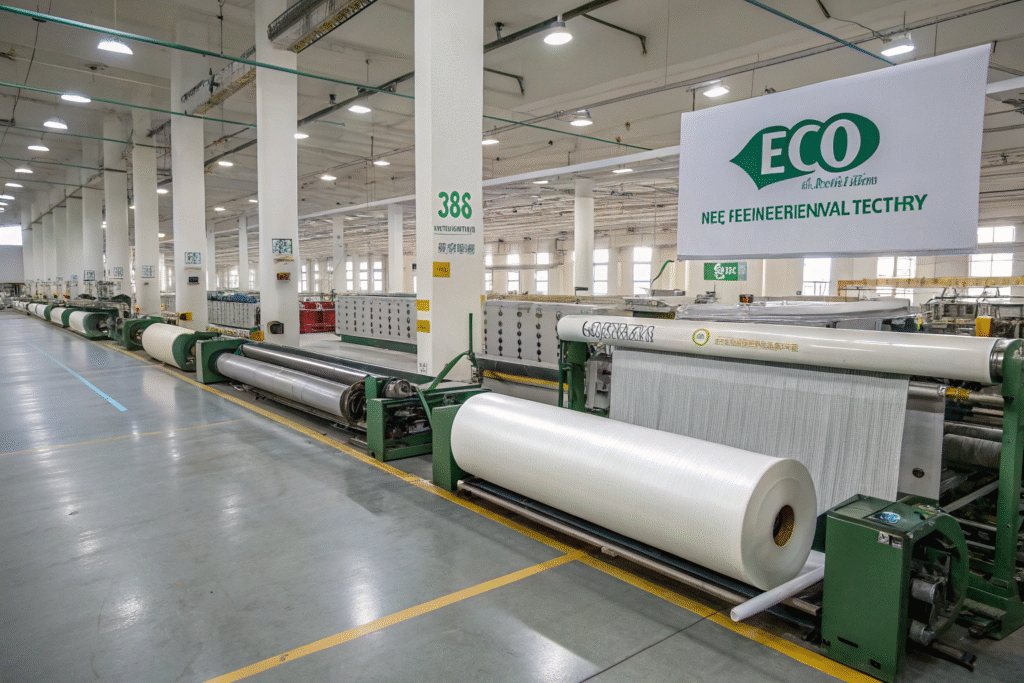
The recycled aramid sector is still niche but growing. China leads in volume, while Europe holds a technical edge. At Fumao Fabric, we work with select aramid recyclers who supply us with certified, lab-tested recycled Kevlar® yarns ready for weaving.
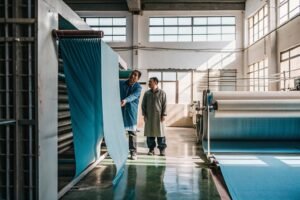
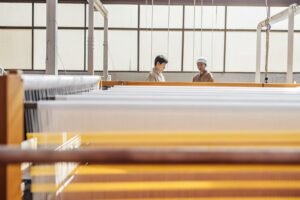
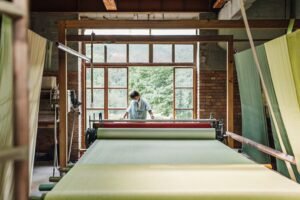
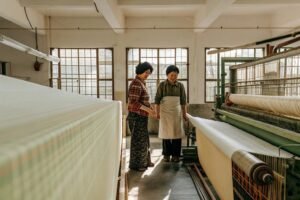
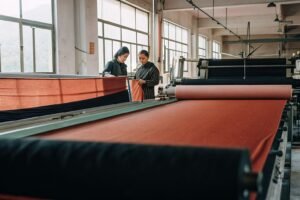
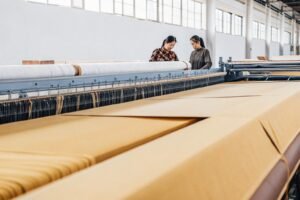
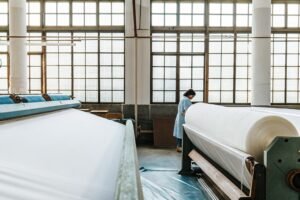
We offer in-house blending, weaving, dyeing, and coating capabilities to convert this yarn into cut-resistant fabrics tailored to different PPE levels.
Which Chinese Suppliers Offer Reliable Recycled Kevlar®?
You won’t find recycled Kevlar® openly listed on most marketplaces like Alibaba due to IP and export constraints. Instead, look for specialized partners (like Fumao) who:
- Work with certified recyclers (ISO 14001, GRS)
- Have internal testing labs (CNAS)
- Can support custom fabric builds (gsm, coatings)
Check GRS-certified mills via Textile Exchange Database or Alibaba PPE Partners.
What Role Does Fumao Fabric Play in the Supply Chain?
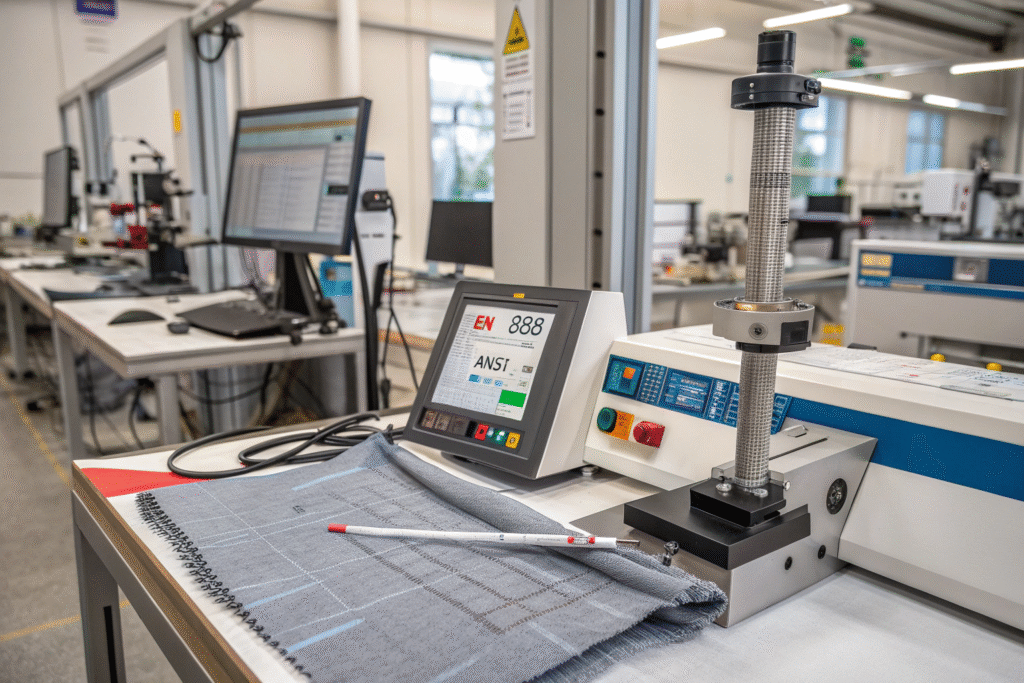
We operate one of Keqiao’s most agile full-cycle textile platforms—from recycled yarn sourcing to cut & sew integration. Our CNAS lab checks each fabric batch for blade cut resistance (EN 388), abrasion resistance, and thermal shrinkage.
Learn about our QC process or browse cut-resistant fabric specs.
How to Verify the Quality of Recycled Cut-Resistant Fabric?
Performance testing is crucial when dealing with recycled materials. Buyers must ensure the cut level is appropriate for its intended PPE class. Recycled Kevlar® typically performs at Level 2 to Level 5 cut resistance under EN 388 or ANSI/ISEA 105 protocols.
Fumao provides full test reports for each production lot, including TDM blade testing, ASTM abrasion tests, and shrinkage curves.
What Test Standards Should Recycled Kevlar® Meet?
Here’s a breakdown of common standards:
| Test | Purpose | Standard |
|---|---|---|
| Cut Resistance | Slash protection | EN 388 / ANSI 105 |
| Abrasion Resistance | Surface wear | ISO 12947 |
| Flame Resistance | Arc flash, fire | ASTM D6413 |
| Wash Fastness | Durability | ISO 6330 |
| Shrinkage | Heat tolerance | ISO 5077 |
Access EN 388 explanations or ANSI cut level chart.
How Can You Be Sure It’s Truly Recycled?
Certification is key. Look for:
- GRS (Global Recycled Standard) certification
- Batch-level transaction certificates
- Supplier declarations and fiber ID reports
- QR code traceability on each lot
At Fumao, we use blockchain-enabled fabric tags that link test results to fiber origin, coating process, and production date.
Explore blockchain in textile traceability or Textile Exchange GRS info.
What Are the MOQ, Lead Times, and Logistics Options?
Minimum order quantities (MOQs) for recycled Kevlar® are typically 300–500 meters, depending on the gsm, blend ratio, and treatment requirements (e.g., anti-static, FR, PU coating). Lead times vary between 3 to 5 weeks after sample approval.
We offer FOB, CIF, and DDP terms to U.S., Europe, and Southeast Asia. With Keqiao’s multimodal logistics hub, your order clears customs fast—even with U.S. compliance checks.
What Value-Added Services Does Fumao Provide?
Beyond basic weaving, we support:
- Digital printing on aramid blends
- Heat lamination or PU coating
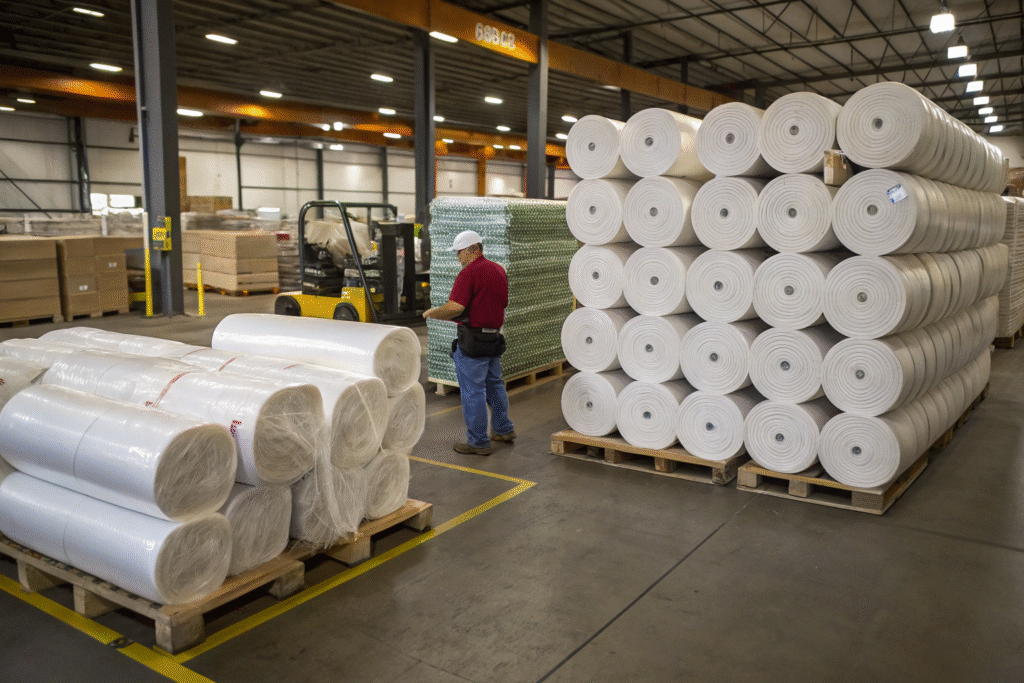
- Custom roll labeling and packing
- 3rd-party lab testing before dispatch
We can also combine recycled Kevlar® with Coolmax®, Nomex®, or cotton depending on your aesthetic and breathability goals.
Browse our fabric engineering services or check coating methods.
What Are the Typical Challenges and How to Solve Them?
Some challenges include:
- Limited colorfastness due to fiber origin
- Higher shrinkage if blended improperly
- Fiber fraying without proper twist setting
- Certification lags from small batch imports
We solve these with pre-treated yarns, anti-fray coatings, and mock dyeing simulations before mass production.
Read Kevlar® fabric handling tips or check FR + cut-resistant blend solutions.
Conclusion
Recycled Kevlar® is the future of eco-responsible PPE and industrial fashion. Whether you’re designing gloves, tactical uniforms, or abrasion-resistant outerwear, recycled aramid fabrics offer performance, traceability, and sustainability all in one.
At Fumao Fabric, we go beyond sourcing—we co-develop and engineer cut-resistant solutions using verified, tested, and fully certified recycled Kevlar® yarns. We simplify the complexity of compliance, logistics, and lab work—so you can focus on scaling your brand.
To request a sample pack or start your next order, contact our Business Director Elaine at elaine@fumaoclothing.com. Let’s build your protective apparel line with performance and planet in mind.