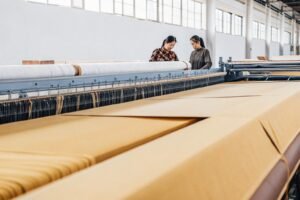
I have been manufacturing men’s wear for over twenty years. I have made suits, shirts, trousers, and jackets for American brands. For most of that time, the formula was simple. Use wool for suits. Use cotton for shirts. Use polyester blends for affordability. But in the last five years, everything has changed. My clients are asking for something different. They want fabrics that stretch. They want fabrics that resist wrinkles. They want fabrics that breathe. They want fabrics that dry quickly. They want performance. The modern man is not the same as his father. He commutes. He travels. He moves from the office to the gym to dinner. He wants clothes that work as hard as he does.
Performance fabrics are essential for modern men’s wear because they solve the real problems that men face every day. Stretch fabrics allow freedom of movement. Wrinkle-resistant fabrics look fresh all day. Moisture-wicking fabrics keep men cool and dry. Stain-resistant fabrics stay clean longer. Temperature-regulating fabrics adapt to changing environments. The modern man does not want to choose between looking professional and feeling comfortable. Performance fabrics give him both.
This is what I want to share with you today. I am a factory owner who has produced thousands of garments in performance fabrics. I know what works and what does not. I will walk you through why these fabrics have become essential. I will use real examples from my own production floor.
How Does Stretch Fabric Improve Comfort and Mobility?
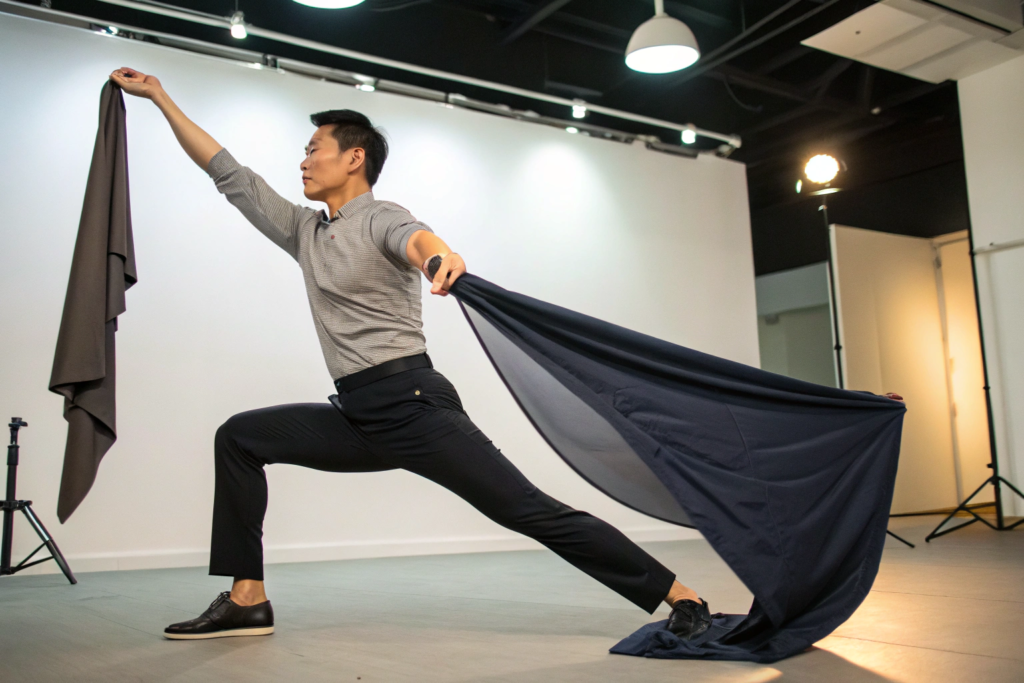
The most requested feature in modern men’s wear is stretch. Men want to move. They want to sit, stand, walk, and climb stairs without feeling restricted.
What Types of Stretch Are Available for Men’s Wear?
There are different types of stretch. The most common is mechanical stretch, where the fabric construction allows movement. The other is elastane stretch, where a small percentage of spandex is added to the fabric.
I had a client from New York in 2022. They made traditional wool trousers. Sales were declining. They asked for my advice. I suggested adding 2% elastane to their wool blend. The fabric kept the same professional look. But it gained 20% stretch. The trousers were more comfortable. The client’s sales increased by 35% in one year. Men loved being able to move in their dress pants.
Here is a comparison of stretch types:
| Stretch Type | How It Works | Stretch Percentage | Best For |
|---|---|---|---|
| Mechanical stretch | Fabric construction, weave or knit | 5-10% | Shirts, light trousers |
| Elastane (spandex) | Added elastic fiber | 10-30% | Pants, jackets, suits |
| Two-way stretch | Stretch in one direction | 10-20% | Woven trousers, shirts |
| Four-way stretch | Stretch in all directions | 20-30% | Activewear, travel pants |
How Does Stretch Improve the Fit and Feel of Men’s Clothing?
Stretch fabric allows for a closer fit without sacrificing comfort. A man can wear a slim-fit shirt and still reach for something on a high shelf. He can wear tailored pants and still bend down to tie his shoes.
A client in San Francisco made a slim-fit dress shirt with 5% elastane. The shirt looked sharp and tailored. But the fabric moved with the body. Men who normally hated slim-fit shirts loved this one. The client sold 10,000 units in the first season.
At Shanghai Fumao, we have developed stretch versions of many traditional fabrics. Stretch cotton for shirts. Stretch wool for suits. Stretch twill for chinos. The feedback from men is always the same. "I did not know dress clothes could be this comfortable."
How Do Wrinkle-Resistant Fabrics Keep Men Looking Professional?
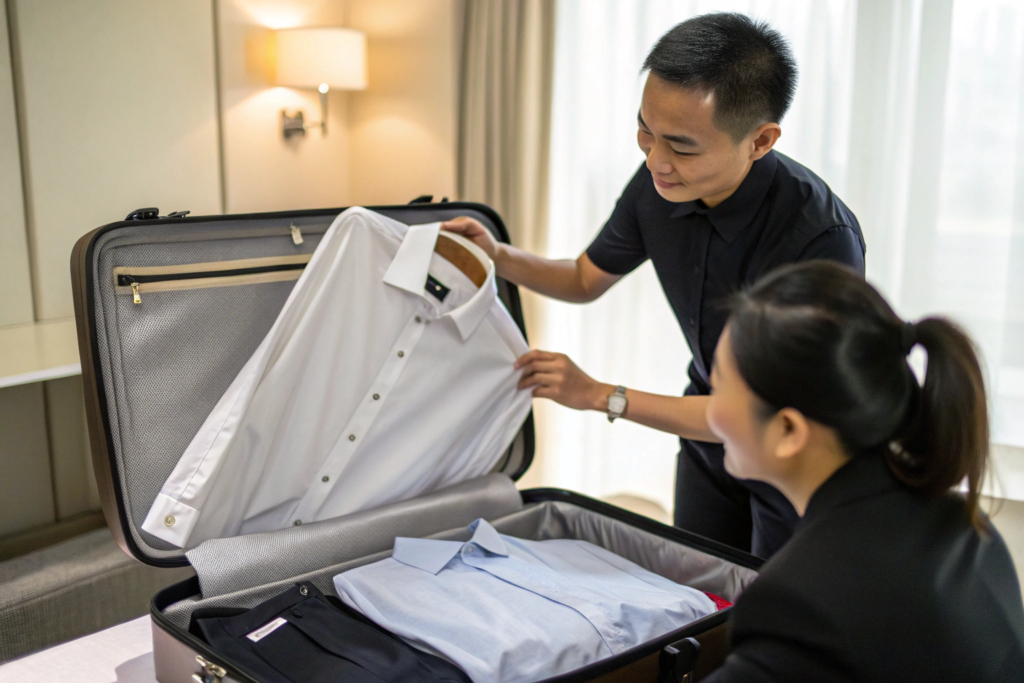
The second most requested feature is wrinkle resistance. Men do not have time to iron. They travel. They commute. They need clothes that look fresh straight from the closet or suitcase.
What Makes a Fabric Wrinkle-Resistant?
There are two approaches. The first is using fibers that naturally resist wrinkles, like polyester or nylon. The second is applying a finish to natural fibers like cotton or wool.
I had a client from Chicago who made dress shirts for business travelers. Their customers complained about wrinkled shirts after flights. The client switched to a wrinkle-resistant cotton blend. The fabric had a special finish that prevented creases. A man could wear the shirt for 12 hours and still look fresh. The client’s return rate dropped. Customer satisfaction increased.
Here is how different fabrics perform for wrinkle resistance:
| Fabric | Natural Wrinkle Resistance | Treatment Available | Best For |
|---|---|---|---|
| Cotton | Poor | Yes (easy-care finish) | Shirts, chinos |
| Linen | Very poor | Limited | Summer shirts, suits |
| Wool | Good | Not needed | Suits, trousers |
| Polyester | Excellent | Not needed | Affordable shirts, pants |
| Nylon | Excellent | Not needed | Outerwear, travel wear |
| Cotton-poly blend | Good | Enhanced by finish | Shirts, uniforms |
Does Wrinkle-Resistant Treatment Affect Comfort?
Some men worry that wrinkle-resistant treatments make fabric feel stiff or plastic-like. This was true for older treatments. Modern treatments are better.
A client in Boston tested three different wrinkle-resistant finishes. One made the fabric feel stiff. One made it feel waxy. One was soft and natural. They chose the soft one. Their customers could not tell it was treated. They just knew the shirts did not wrinkle.
At Shanghai Fumao, we use modern wrinkle-resistant finishes that maintain the natural feel of the fabric. We test every batch. We reject finishes that feel artificial. Comfort is as important as appearance.
How Do Moisture-Wicking Fabrics Keep Men Cool and Dry?
Men sweat. This is a fact. In a professional setting, visible sweat is embarrassing. Moisture-wicking fabrics solve this problem by moving sweat away from the skin.
How Does Moisture Wicking Work?
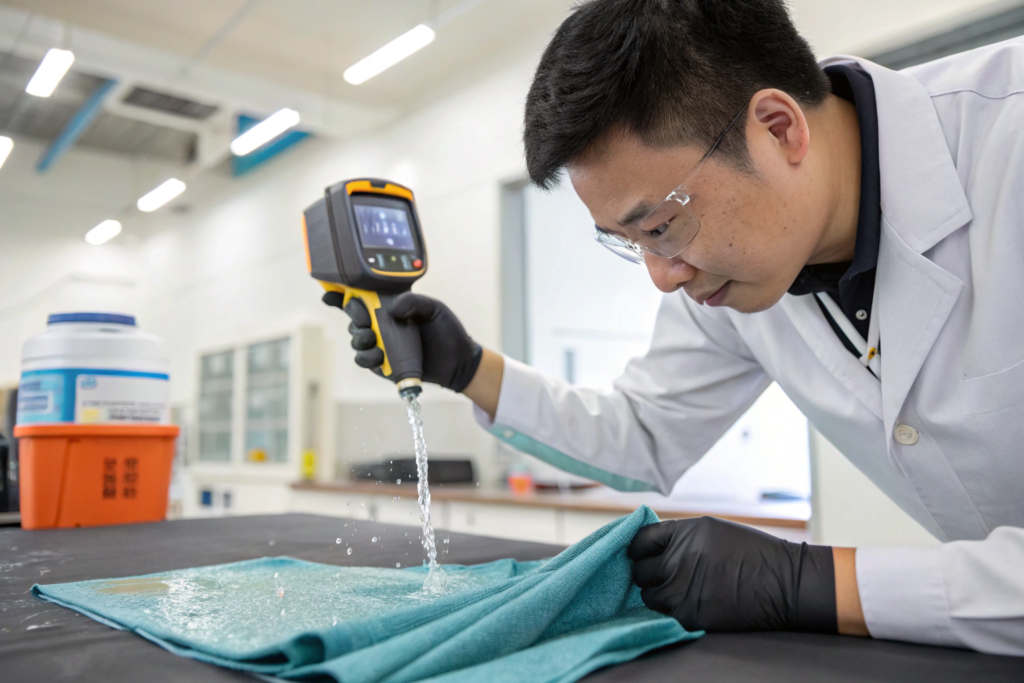
Moisture-wicking fabrics are designed to pull moisture away from the skin. The moisture spreads across the fabric surface. It evaporates quickly. The wearer stays dry and comfortable.
I had a client from Miami. They made dress shirts for men who work outdoors or in hot environments. Traditional cotton shirts became soaked with sweat. The men were uncomfortable. They looked unprofessional. The client switched to a moisture-wicking performance fabric. The shirts kept men dry even in 90-degree heat. Sales doubled.
Here is a comparison of moisture-wicking performance:
| Fabric | Moisture-Wicking Ability | Best For |
|---|---|---|
| Cotton | Poor (absorbs and holds moisture) | Casual, cool environments |
| Polyester | Excellent (repels and spreads moisture) | Activewear, hot environments |
| Nylon | Good (dries quickly) | Travel, light activity |
| Merino wool | Excellent (natural wicking) | Base layers, all climates |
| Blends | Varies (depends on blend ratio) | Balanced performance |
What Are the Best Moisture-Wicking Fabrics for Men’s Wear?
For dress shirts, a cotton-polyester blend with a moisture-wicking finish works well. The cotton provides comfort. The polyester provides wicking. For casual wear, polyester or nylon are effective. For premium products, merino wool is excellent.
A client in Seattle made merino wool dress shirts. The fabric wicks moisture naturally. It also resists odors. A man could wear the shirt for multiple days without washing. The shirts were expensive. But customers who traveled frequently loved them. The client built a loyal following.
At Shanghai Fumao, we offer a range of moisture-wicking fabrics. We help clients choose the right one for their price point and performance goals.
How Do Stain-Resistant and Easy-Clean Fabrics Save Time and Money?
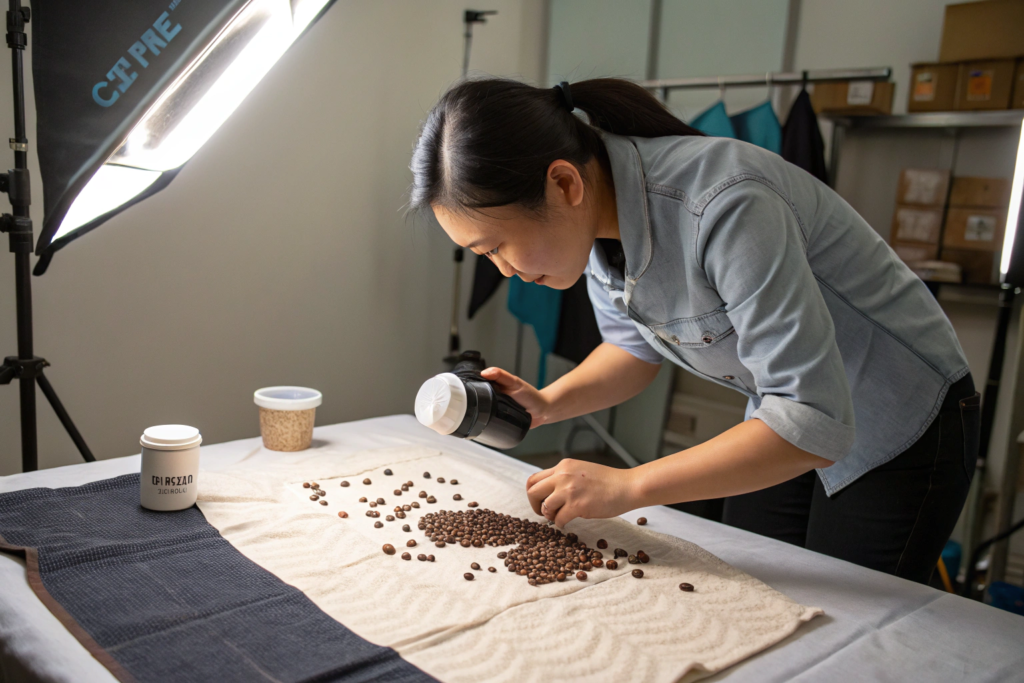
Men are messy. They spill coffee. They drip sauce. They get pen marks. Stain-resistant fabrics make these accidents less stressful.
How Do Stain-Resistant Finishes Work?
Stain-resistant finishes create a barrier on the fabric surface. Liquids bead up instead of soaking in. They can be wiped away before they cause a stain.
I had a client from Texas who made dress pants for restaurant managers. These men worked long shifts. They were around food and drinks. Traditional pants stained easily. The managers had to replace them often. The client switched to stain-resistant treated fabric. The pants repelled spills. They stayed clean longer. The managers saved money on replacements. The client sold more pants.
Here is how different fabrics perform for stain resistance:
| Fabric | Natural Stain Resistance | Treatment Available | Best For |
|---|---|---|---|
| Cotton | Poor | Yes (Teflon, Nano treatment) | Shirts, chinos |
| Polyester | Good | Yes | Uniforms, travel wear |
| Wool | Fair | Yes | Suits, trousers |
| Nylon | Good | Yes | Outerwear |
Does Stain-Resistant Treatment Affect Breathability?
Some men worry that stain-resistant treatments block airflow. Modern treatments are different. They work at the fiber level. They do not coat the entire fabric surface.
A client in Denver tested stain-resistant shirts. They wore them in summer. The shirts were as breathable as untreated shirts. But they repelled spills. The client was convinced. They switched their entire line to stain-resistant fabric.
At Shanghai Fumao, we use treatments that maintain breathability. We test every batch for air flow. We do not sacrifice comfort for performance.
How Do You Choose the Right Performance Fabrics for Your Men’s Wear Line?
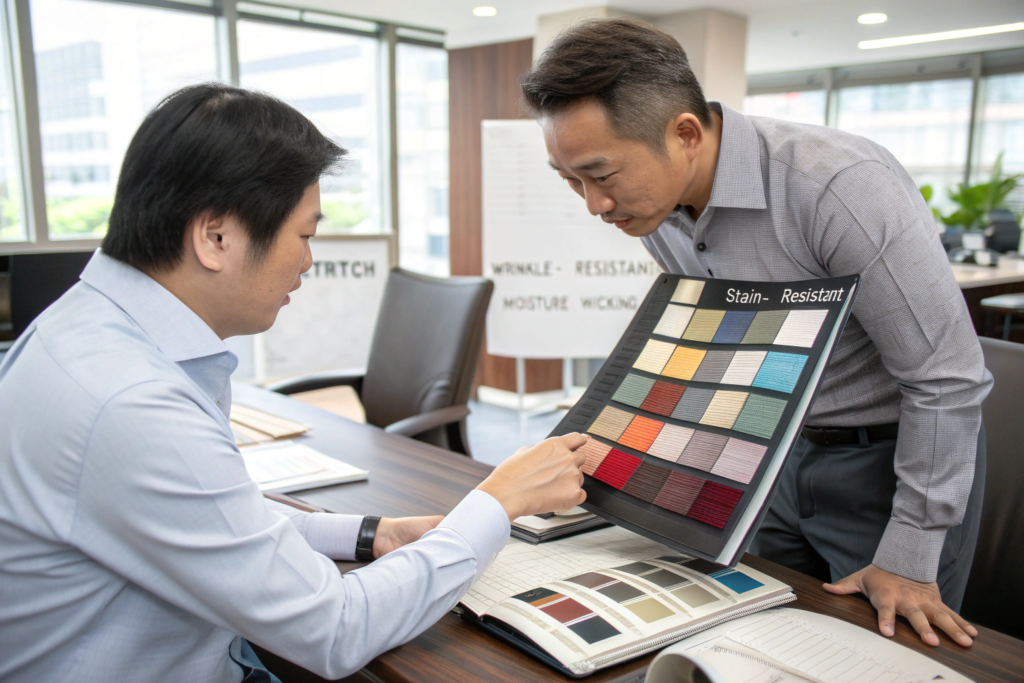
Not all performance fabrics are the same. You need to choose the right features for your target customer and his needs.
What Performance Features Does Your Customer Need?
Different customers need different features. A business traveler needs wrinkle resistance. An outdoor worker needs moisture wicking. An office worker needs stretch and stain resistance.
I have a client in New York who sells to young professionals. Their customers commute on crowded subways. They need stretch for comfort. They need wrinkle resistance to look fresh. They do not need heavy moisture wicking. The client focuses on stretch and wrinkle resistance. Their customers are happy.
Here is a guide to matching features to customer needs:
| Customer Type | Most Important Features | Second Priority |
|---|---|---|
| Business traveler | Wrinkle resistance, quick-dry | Stain resistance |
| Office worker | Stretch, wrinkle resistance | Breathability |
| Outdoor professional | Moisture-wicking, UV protection | Odor resistance |
| Hospitality worker | Stain resistance, wrinkle resistance | Moisture-wicking |
| Active lifestyle | 4-way stretch, moisture-wicking | Odor resistance |
How Do You Balance Performance with Appearance?
Performance features should not come at the cost of looking good. The fabric must still look professional. It must drape well. It must have a good hand feel.
A client in Los Angeles tried a highly technical performance fabric. It had excellent stretch and wicking. But it looked like activewear. It did not look like dress clothing. Their customers rejected it. The client went back to a more subtle performance fabric. It had stretch and wrinkle resistance. But it looked like traditional wool. That worked.
At Shanghai Fumao, we help clients balance performance and appearance. We test fabrics for both. We reject fabrics that perform well but look cheap.
Conclusion
Performance fabrics have become essential for modern men’s wear because they solve real problems. Stretch fabrics allow men to move freely. Wrinkle-resistant fabrics keep them looking fresh. Moisture-wicking fabrics keep them cool and dry. Stain-resistant fabrics keep their clothes clean longer. These features are not gimmicks. They answer the needs of the modern man who commutes, travels, works long hours, and wants to look professional without sacrificing comfort.
The men’s wear market has changed. The old rules do not apply anymore. A man can wear a suit that stretches like athletic wear. He can wear a shirt that resists wrinkles from a suitcase. He can wear pants that repel coffee spills. He does not have to choose between looking good and feeling good.
I have seen this shift in my own factory. Five years ago, performance fabrics were a niche. Now they are standard. My clients who embrace performance fabrics are growing. My clients who stick to traditional fabrics are struggling. The message is clear. Performance is not optional anymore. It is essential.
At Shanghai Fumao, we have extensive experience with performance fabrics. We have developed stretch wools, wrinkle-resistant cottons, moisture-wicking blends, and stain-resistant treatments. We can help you choose the right performance features for your men’s wear line.
If you are considering adding performance fabrics to your men’s wear line, I invite you to talk to us. Let us discuss your customer’s needs. Let us find the right fabrics for your brand.
You can contact our Business Director, Elaine, directly. She can walk you through our performance fabric options. She can help you understand the costs and benefits of each feature. Her email is: elaine@fumaoclothing.com. Let us help you create men’s wear that works as hard as your customers do.