For years, I’ve seen smart buyers hit a predictable wall: their perfect production timeline gets completely derailed by holidays and factory peaks they didn’t see coming. The result? Missed shipping dates, stock shortages, and a lot of stressful phone calls. The problem isn’t the quality or the price—it’s the calendar. Sourcing from China isn’t just about finding a supplier; it’s about syncing your watch with the industrial heartbeat of the world’s factory. If you don’t understand the seasonal rhythms, you’re constantly fighting against the current.
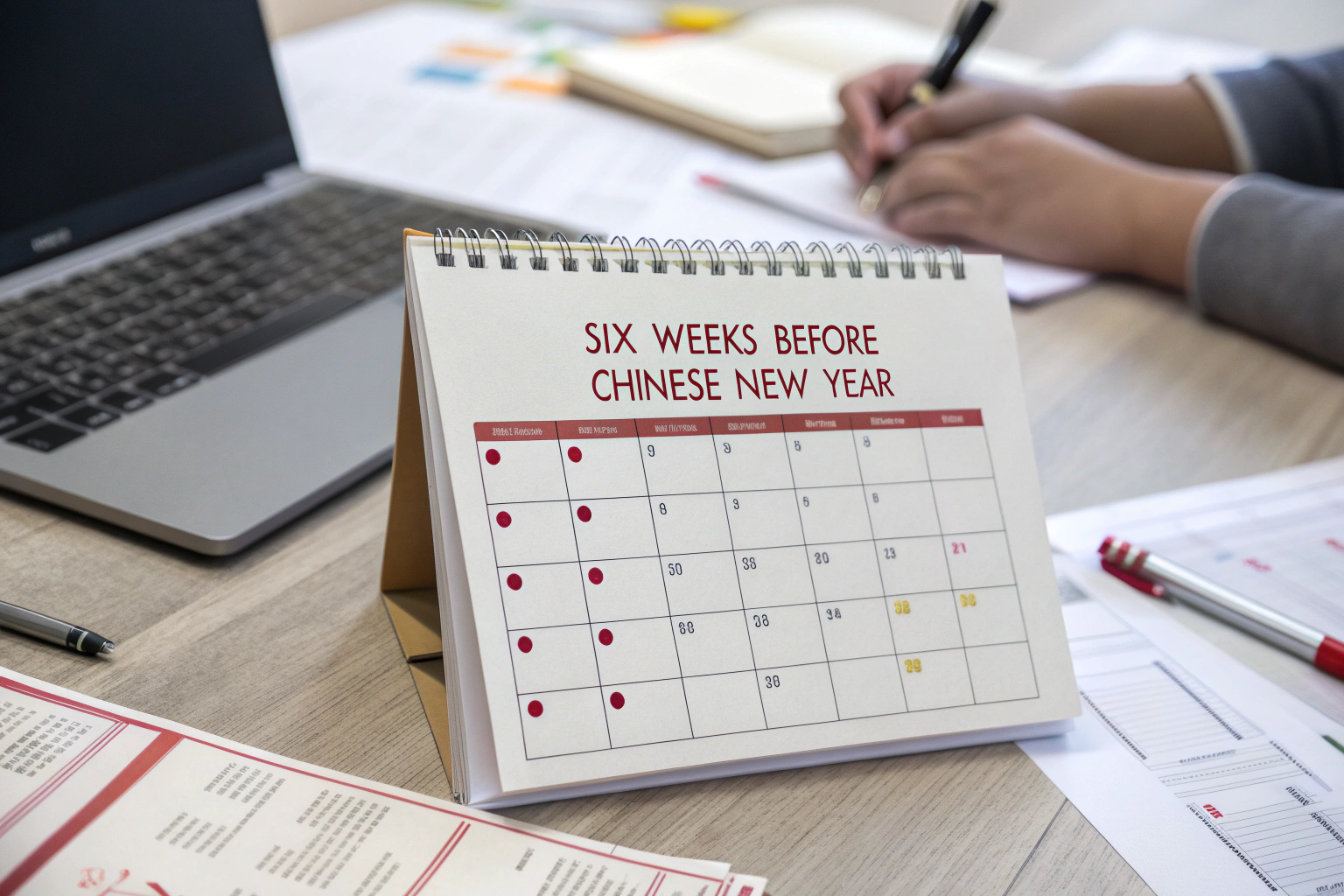
The solution is strategic calendarization. Mastering China’s manufacturing cycles—the major holiday shutdowns, the peak production seasons, and the slower windows of opportunity—allows you to transform time from your biggest adversary into your most reliable competitive advantage. You can plan around bottlenecks, leverage quieter periods for faster turnaround, and ensure your goods land exactly when you need them. A European fashion brand we work with now religiously finishes their pre-production six weeks before Chinese New Year, guaranteeing they are first in line when the machines start humming again in March. This proactive planning is what separates the amateurs from the professionals.
Let’s dive into the specific seasonal patterns that govern production in China and Keqiao, and I’ll share the exact strategies we use at Shanghai Fumao to help our partners navigate them seamlessly, turning potential delays into predictable, on-schedule deliveries.
What are the critical holiday shutdowns to plan around?
You absolutely cannot afford to be casual about China’s national holidays. Treating them like a minor inconvenience is a recipe for disaster. These aren’t just days off; they are nationwide logistical resets that bring production and shipping to a standstill. The two giants are Chinese New Year (Spring Festival) and the National Day Golden Week. If your planning doesn’t revolve around these dates, you’re already behind.
The single most disruptive event in the Chinese manufacturing year is the Spring Festival. Factories typically shut down for three to four weeks, not just the official one-week holiday. Workers travel home across the country, and operations fully stop. Ports and logistics providers also operate with skeleton crews. The ramp-up back to full capacity takes another 1-2 weeks after the official reopening. For a real-world case, a US-based activewear brand we partnered with in late 2022 learned this the hard way. They sent their tech packs for high-performance moisture-wicking fabrics in early January 2023, expecting a standard 8-week production cycle. They missed the pre-holiday cutoff. The result? Their order, which was slated for an April launch, was delayed by over 7 weeks, missing their key sales season entirely. Now, they plan with us a full quarter ahead.

How long does the Chinese New Year shutdown really last?
The official holiday is about 7 days, but the real impact spans 4-6 weeks. Here’s the breakdown:
- Pre-Holiday Slowdown (2-3 weeks before): Productivity drops as workers begin to leave. Finalizing new orders becomes difficult. This is the last window for pre-production approval and material sourcing.
- Complete Shutdown (1-2 weeks): The factory is closed. No communication, no production.
- Post-Holiday Ramp-Up (2-3 weeks after): Workers trickle back. Factories struggle to reach full staffing. Production on pre-holiday orders begins slowly.
The key is the pre-holiday cutoff date. For smooth sailing, you need to have all your ducks in a row—finalized designs, approved lab dips, and bulk fabric ordered—at least 6 weeks before the shutdown begins. This gives the factory time to procure yarns and greige goods before their own suppliers close. A great resource to understand the worker migration scale is this analysis on how the Spring Festival travel rush impacts manufacturing output. At Shanghai Fumao, we initiate "Holiday Readiness" meetings with our clients 90 days out, creating a backward-counting schedule to hit every milestone stress-free.
What’s the impact of Golden Week and other holidays?
National Day Golden Week (around October 1st) is a one-week holiday that typically causes a 1-2 week total disruption. It’s less severe than Chinese New Year but still requires careful planning. The main challenge is that it falls during the autumn peak production season (Aug-Oct), compounding existing schedule pressures. Other holidays like the Labor Day (May 1st) and Mid-Autumn Festival cause shorter, 3-5 day disruptions, but can still affect specific factory lines or shipping dates if they fall on a critical path.
My advice? Always confirm the specific closure dates with your supplier, as some factories may combine holidays with additional leave. Don’t just rely on the public calendar. Pro tip: Use the quieter weeks immediately following Golden Week to your advantage. Many factories have cleared their pre-holiday rush, and you can often secure better attention and faster sampling. For insights on managing these shorter disruptions, check out this forum thread on strategies for navigating Q4 production around Chinese holidays.
How do peak production seasons affect your lead times?
If holidays are the walls, peak seasons are the traffic jams. From March to May and again from August to October, the entire supply chain operates at full throttle. Factories are flooded with orders for summer and holiday retail collections. This congestion means every process—from getting a loom assignment to securing a dyeing vat to booking a container—takes longer and costs more. You must add a buffer of 1-2 weeks to any standard lead time quoted during off-peak periods.
The competition for production slots is fierce. Factories prioritize their larger, long-term clients. New or smaller orders can get pushed back repeatedly. I recall a UK-based fast-fashion retailer in March 2022 who needed a quick turnaround on 20,000 meters of printed floral viscose. Their usual 5-week lead time ballooned to nearly 9 weeks because we were competing with three other major brands for capacity at our partner printing factory. (Here’s a little inside tip: building a strong relationship with your supplier is your best defense against being deprioritized during these crunches). We managed it by leveraging our long-standing partnership, but it was tight.

Why does everything slow down during March-May and August-October?
The delays are systemic, affecting every link:
- Raw Material Procurement: Mills are busy. Securing the specific yarn or greige fabric you need takes longer.
- Production Queue: Every factory has a backlog. Your order waits in line.
- Quality Control & Finishing: QC stations are overwhelmed, and specialized processes like coating or embossing have long wait times.
- Logistics: Trucking and port operations are congested. Container availability drops, and freight rates often spike.
It’s a domino effect. A one-day delay in weaving causes a two-day delay in dyeing, which pushes back printing by three days, and so on. To navigate this, you need proactive communication and buffer time. We provide our clients with a live production tracking system, so they see the queue status in real time. For a deeper look at systemic bottlenecks, the blog at MakersRow often discusses managing production timelines in crowded seasons.
Can you get faster production during peak seasons?
Yes, but it requires strategy and often, compromise. Here are your main levers:
- Leverage Standard Stock Fabrics: If your design can utilize a fabric we already have in our vast inventory, you bypass the weaving and dyeing queue entirely. Your lead time shrinks dramatically.
- Pay for Priority Slots: Some factories offer expedited scheduling for a premium cost (usually 10-20%).
- Simplify Your Order: Complex finishes, multiple colorways, and small batch sizes add steps. Consolidating and simplifying can speed things up.
The most effective strategy is to plan your development cycle to avoid peak production for bulk orders. Do your sampling and prototyping during the peak season for the previous cycle. For example, develop your Holiday collection samples in the March-May peak, so you’re ready to place the bulk order in June or July, hitting the quieter period before the August surge.
When are the best times for faster turnaround and development?
The secret windows for speed are the traditional "slower" periods: June-July and November-December (excluding the weeks immediately before Chinese New Year). After the spring peak subsides and before the autumn rush begins, factory capacity opens up. This is the golden time for prototyping, small-batch production, and complex, development-heavy orders.
We actively encourage our clients to schedule their R&D phases for these months. A Scandinavian sustainable fashion label we work with has mastered this. They dedicate November and December to developing their next autumn/winter line with us. During this time, our R&D team has the bandwidth to experiment with innovative blends, like a BAMSILK (bamboo silk) and recycled wool mix they launched in 2023. We went through 15 sample iterations in 5 weeks—a pace impossible during peak season—and achieved a fabric with a 40% lower carbon footprint than their previous benchmark. They locked in designs and pricing in January, ready for a smooth production start post-Chinese New Year.

What advantages does the June-July period offer?
This window, after the Spring Festival recovery and the spring peak, is ideal for:
- Rapid Sampling: Factories and labs are less crowded. Our promise of 48-hour sample development is most consistently achievable here.
- Negotiation Leverage: With lower overall demand, you may find more flexibility on MOQs (Minimum Order Quantities) and pricing.
- Fulfilling Urgent Re-orders: Need to restock a best-selling style from your spring line? This is the time to do it quickly.
Think of it as the calm after the storm. It’s the perfect moment to build a stronger relationship with your supplier, as they have more time for quality communication. You can discuss long-term plans for sourcing eco-friendly fabrics like GOTS organic cotton in depth, without feeling rushed. Forums like The Ethical Fashion Initiative’s community board can be a good place to share experiences about finding development partners during off-peak seasons.
Why is November-December key for strategic planning?
November and December are planning months. While production continues, the frantic pace of Q3’s holiday orders is over. This is when you should be:
- Finalizing Designs for Next Year: Get your tech packs ready.
- Conducting Fabric Research & Sourcing: Test new materials, get lab dips approved.
- Securing Early Capacity: Discuss projected volumes with your supplier for the coming year. At Shanghai Fumao, we offer early-bird capacity reservations during this period.
- Budgeting and Financing: Align your financial planning with your production calendar.
Using this time to prepare means you hit the ground running after the Chinese New Year holiday, just like the savvy European brand I mentioned earlier. You’re not waiting for samples; you’re launching production. A resource like Fashion Incubator’s articles on creating a bulletproof annual production calendar aligns perfectly with this philosophy.
How do you build a failsafe production calendar?
Mastering the rhythms is one thing; codifying them into an actionable, failsafe plan is another. Your production calendar shouldn’t be a guess—it should be a reverse-engineered map from your required in-store date, factoring in every seasonal variable. Start with your launch date and work backwards, plugging in all the known Chinese seasonal milestones first.
The core of a failsafe calendar is backward scheduling with buffer zones. Let’s say you need goods in your US warehouse by September 1st for a Fall launch.
- Final Delivery Date: September 1.
- Ocean Shipping (US West Coast): Subtract 4-5 weeks. (Now ~July 25).
- Port & Domestic Logistics in China: Subtract 1-2 weeks. (Now ~July 15). This period is vulnerable to peak season port congestion.
- Production Lead Time: Subtract standard lead time (e.g., 8 weeks) PLUS a 2-week peak season buffer (if applicable). (Now ~May 15).
- Pre-Production & Sample Approval: Subtract 4-6 weeks. (Now ~April 1).
- Final Design Lock & Order Placement: This is your absolute latest deadline.
Now, look at the calendar. April 1st is during the spring peak. This means your pre-production phase needs to be extremely efficient, or you need to start even earlier. This exercise reveals the critical path.

What tools can help you visualize and manage this timeline?
Don’t rely on a simple spreadsheet. Use visual project management tools that everyone in your team and your supplier’s team can access. We integrate with client systems to provide updates, but the best tools allow for shared timelines. Consider:
- Gantt Chart Software: Tools like TeamGantt or even advanced Excel/Sheets charts make dependencies clear.
- Shared Cloud Calendars: A simple Google Calendar shared with your supplier, with key milestones color-coded.
- Dedicated Sourcing Platforms: Some platforms offer built-in timeline estimators that factor in regional holidays.
The most important "tool," however, is your supplier relationship. A partner who understands your business and proactively flags calendar risks is invaluable. When we see a client’s planned sample approval date is two weeks before Chinese New Year, we immediately call them to move it up. That’s the service that prevents disasters. For independent tools, Maker’s Row (though more for US manufacturing) has concepts that translate well to building a visual sourcing and production pipeline.
How do you incorporate buffer for unexpected delays?
The rule is simple: Identify your risk points and buffer accordingly. Add time where the system is most fragile:
- Buffer 1 (Holiday Adjacency): Add 1 week for orders near any public holiday.
- Buffer 2 (Peak Season): Add 1-2 weeks to the production phase if it falls in Mar-May or Aug-Oct.
- Buffer 3 (New Supplier/Process): If you’re using a new fabric (like a functional UV-resistant textile) or a new factory, add 2-3 weeks for the learning curve.
- Buffer 4 (Logistics): Always add 1-2 weeks to shipping estimates, especially post-pandemic.
We bake these buffers into the schedules we propose to clients. It’s not padding; it’s realism. It protects your launch date and reduces stress for everyone. In our experience, a well-buffered plan has a 95%+ on-time delivery rate, compared to maybe 60% for an optimistic, tight schedule. Learn more about building contingency into international supply chains from logistics-focused publications like Journal of Commerce.
Conclusion
Mastering the seasonal rhythms of Chinese manufacturing isn’t a mystery—it’s a learnable, strategic discipline. It starts with respecting the immovable blocks of holiday shutdowns, especially the monumental Chinese New Year. It requires understanding how the spring and autumn peak seasons will stretch your lead times, and it rewards those who proactively use the quieter summer and late-year periods for development and planning. Ultimately, success comes from weaving these cycles into a robust, backward-scheduled production calendar that includes intelligent buffers.
This knowledge transforms you from a passive order-placer into an active supply chain director. You stop reacting to delays and start orchestrating flows. The confidence that comes from knowing your goods will arrive on time, season after season, is priceless. It lets you focus on design, marketing, and sales, not on frantic emails about shipping delays.
If you’re ready to apply this rhythmic mastery to your next collection and want a partner who navigates this calendar instinctively, let’s talk. At Shanghai Fumao, we don’t just sell fabric; we provide time-certain solutions embedded in the reality of Keqiao’s industrial pulse. For a consultation on planning your next production cycle with absolute confidence, reach out to our Business Director, Elaine. She can help you build a calendar that works. You can email her directly at: elaine@fumaoclothing.com. Let’s make your next season your smoothest yet.