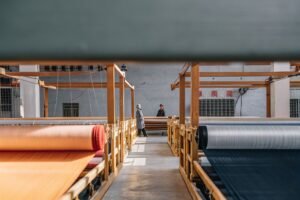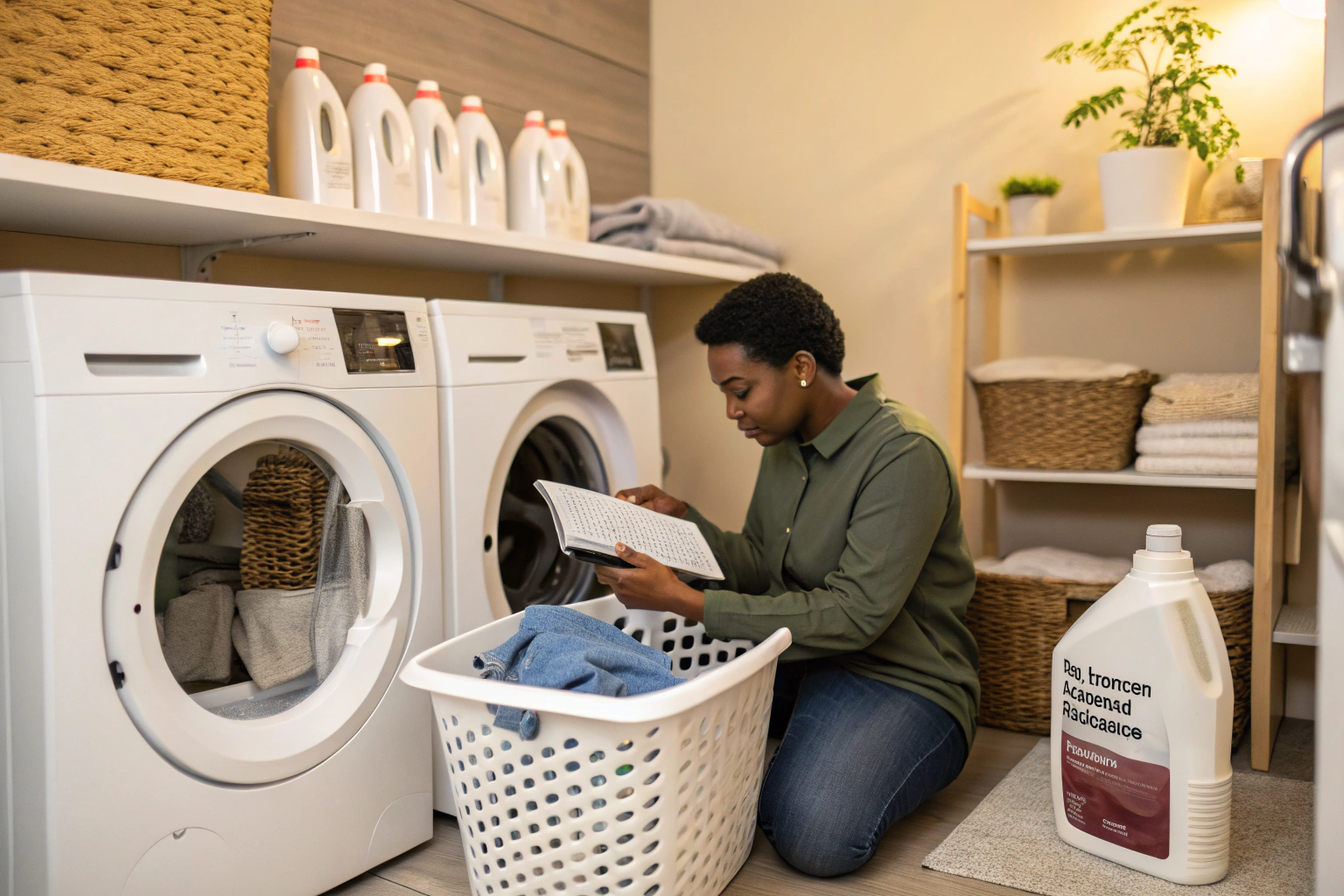
After spending twenty years in the textile business here in Keqiao, I’ve seen a heartbreaking pattern. A brand invests months designing the perfect garment, sources premium fabric, and produces beautiful pieces—only to have customers ruin them in the wash. The disappointment emails we forward from our clients tell the story: "The color bled," "It shrank two sizes," "The finish washed away." This isn’t just a customer service problem; it’s a brand reputation problem. The truth is, fabric care doesn’t start with the consumer—it starts with us, the fabric suppliers and brands, providing clear, accurate care instructions based on the fabric’s actual construction and finish.
So, what are the best practices for fabric care and maintenance? They form a three-part strategy: First, educate your customers with specific, fabric-first guidance, not just generic symbols. Second, design and source with care in mind, choosing durable finishes and stable fabrics. Third, communicate transparently about a garment’s lifespan and limitations. This proactive approach turns care from a liability into a trust-building tool. For example, a Swedish outdoor brand we supply had high return rates for pilling on their recycled wool blend sweaters. We worked with them to revise their care labels to explicitly recommend hand-washing and flat drying, and provided them with a short video tutorial. Return rates dropped by 60%, and customer satisfaction scores soared.
This guide will give you the knowledge to protect your investment, from understanding care symbols to choosing the right fabrics for longevity. Whether you’re a brand owner, a designer, or a conscientious consumer, mastering these practices ensures the clothes you make or buy look and feel their best, longer.
How to Decode and Apply International Care Label Symbols?
Those tiny icons on your clothing label are a universal language, but they’re often misunderstood or ignored. Think of them as the manufacturer’s essential operating manual for your garment. Using the wrong setting isn’t just a minor mistake—it can break down fibers, dissolve finishes, and permanently alter the fabric’s hand and shape. The system, governed by standards like ISO 3758, uses five basic symbols: washing, bleaching, drying, ironing, and professional cleaning. Each symbol has modifiers (dots, lines, crosses) that give precise instructions.
The most common point of failure is washing temperature. A single dot (30°C/86°F) is for delicates like wool or silk. Two dots (40°C/104°F) is for synthetics and blends. Three dots (50°C/122°F) is for sturdy cottons and linens. Exceeding these temperatures can cause shrinkage, color fading, and set stains. For instance, washing a Tencel lyocell blend fabric meant for cold wash on a hot cycle can cause excessive fibrillation, making the fabric feel rough and pilly. At Shanghai Fumao, when we provide fabric to brands like yours, we include a detailed technical data sheet that specifies the optimal care regimen, which is often more nuanced than the standard symbols can convey.

What Do the Washing, Bleaching, and Drying Symbols Actually Mean?
Let’s translate the hieroglyphics into actionable rules.
Washing (The Tub Symbol):
- Number of Dots = Max Temperature: 1 dot (30°C Cold), 2 dots (40°C Warm), 3 dots (50°C Hot).
- Underline(s) Below the Tub: Indicates gentler mechanical action. One underline for permanent press/synthetics cycle, two underlines for delicate/wool cycle.
- Hand in the Tub: Hand wash only in lukewarm water. This is crucial for delicate knits, silk, and garments with special embellishments. Never machine wash these.
- Cross Through the Tub: Do not wash. Seek professional dry cleaning.
Bleaching (The Triangle Symbol):
- Empty Triangle: Bleaching allowed (but use oxygen-based/color-safe bleach only unless specified).
- Triangle with Diagonal Lines: Only non-chlorine/oxygen-based bleach is permitted.
- Crossed-Out Triangle: No bleaching. This is vital for colored fabrics and especially for fabrics with UV protective finishes, as chlorine bleach can break down the UV-absorbing agents.
Drying (The Square Symbol):
- Circle Inside the Square = Tumble Dry: Dots inside the circle indicate heat (low, medium, high). A crossed-out circle means no tumble drying.
- Lines Inside the Square = Natural Drying: Three vertical lines = drip dry. One horizontal line = dry flat (ABSOLUTELY ESSENTIAL for heavy sweaters and structured knits to prevent stretching). A drooping arc = dry in the shade.
A common mistake is tumble drying linen on high heat, which causes extreme wrinkling and fiber brittleness. Linen should be dried on low or, ideally, line-dried while damp and then ironed for a crisp finish.
Why Are Ironing and Professional Cleaning Instructions Critical?
These final steps can make or break a garment’s appearance.
Ironing (The Iron Symbol):
- Dots Dictate Heat: One dot (Low – 110°C): for acetates, acrylics, nylons. Two dots (Medium – 150°C): for polyester, silk, wool. Three dots (High – 200°C): for cotton, linen.
- Crossed-Out Iron: Do not iron. This applies to many fabrics with coatings, embossed finishes, or sequins/beads that can melt.
- Steam Lines Underneath: Steam is okay. No steam lines means dry iron only.
Professional Cleaning (The Circle):
- Letter Inside the Circle: ‘P’ for perchloroethylene (standard dry cleaning solvent), ‘F’ for hydrocarbon (milder solvent).
- Crossed-Out Circle: Do not dry clean. This is sometimes found on functional fabrics with membranes (e.g., some waterproof layers) where the chemicals can degrade performance.
Ignoring these can be costly. We had a client whose beautiful silk charmeuse for luxury dresses was being ruined by dry cleaners using the wrong ‘P’ solvent instead of the gentler ‘F’ process recommended on our care label. We provided them with a technical note to share with their retail partners and end-consumers, explaining the difference and preventing damage.
How Does Fabric Composition Dictate Care Methods?
You wouldn’t wash a silk blouse like you wash denim jeans. The fiber content is the DNA that dictates every care decision. Natural fibers (cotton, wool, silk, linen) and man-made fibers (polyester, nylon, rayon) have fundamentally different reactions to water, heat, and agitation. Understanding this is the first step to intelligent care. At Shanghai Fumao, we group our fabrics not just by look, but by care family, which helps our brand partners create accurate labeling from the start.
For example, protein-based fibers like wool and silk are sensitive to alkalinity and heat. They require mild, pH-neutral detergents and cold water. Agitation causes them to felt or tear. Cellulosic fibers like cotton and linen are strong but prone to shrinkage in high heat and can wrinkle heavily. Synthetic fibers like polyester and nylon are generally durable and resistant to shrinkage but are vulnerable to high heat, which can melt or glaze the fibers. Blends require you to care for the most delicate component in the mix.

What Are the Specific Care Rules for Natural Fibers (Cotton, Wool, Silk, Linen)?
- Cotton: Machine washable and durable. Best Practice: Wash in warm or cool water to minimize shrinkage and color loss. Tumble dry on medium or low. Remove promptly to reduce wrinkles. Iron on a high heat setting while slightly damp for best results.
- Linen: Similar to cotton but wrinkles much more easily. Best Practice: Hand wash or machine wash on gentle in lukewarm water. Line dry or tumble dry on low heat. Iron on high heat while still very damp for a crisp finish; ironing dry linen is difficult.
- Wool (including Cashmere, Merino): Highly sensitive to heat, agitation, and pH changes. Best Practice: Hand wash in cold water with a wool-specific detergent. Never rub or wring. Gently press out water in a towel. Always dry flat on a mesh rack to retain shape. Avoid hanging, as it stretches.
- Silk: Delicate and prone to water spotting. Best Practice: Hand wash in cold water with a mild, silk-safe detergent or baby shampoo. Do not soak. Iron on the lowest setting (silk setting) while the garment is still damp, ironing on the reverse side to prevent shine.
A painful lesson from a 2022 project: A US brand used our premium organic cotton jersey fabric for a line of fitted t-shirts. They didn’t pre-shrink the fabric and labeled them "tumble dry high." The result was widespread shrinkage complaints. We now provide pre-shrunk (sanforized) options and explicit care guidelines to prevent this.
How Should You Care for Synthetic and Blended Fabrics?
- Polyester, Nylon, Acrylic: Generally easy-care. Best Practice: Machine wash in warm water. Use a low-heat tumble dry (high heat can cause pilling, shrinkage, or even melting). Iron on a low setting if needed. They are prone to oil-based stains but respond well to pretreatment.
- Rayon/Viscose, Modal, Lyocell (Tencel): These are regenerated cellulosics and are weaker when wet. Best Practice: Often labeled "dry clean only" for structured items. For washable items, hand wash or machine wash on delicate/cold. Do not wring. Drip dry or dry flat. Iron on a medium setting while damp.
- Elastane/Spandex Blends (in activewear, denim): The elastane is damaged by heat and chlorine. Best Practice: Wash in cool water. Avoid fabric softeners as they coat fibers and reduce moisture-wicking and stretch. Air dry or tumble dry on no heat. This preserves the life of the stretch.
- Functional Blends (with moisture-wicking, UV protection): Care is paramount to maintain the technical feature. Best Practice: Use mild detergents without optical brighteners or heavy fragrances. Avoid chlorine bleach. Low-heat dry. For example, the durability of DWR (Durable Water Repellent) finishes is directly linked to gentle washing and periodic reproofing with specific technical washes.
What Are Proactive Steps to Extend Fabric Lifespan?
Care isn’t just about cleaning; it’s about prevention and maintenance. Proactive habits can double or triple a garment’s life, reducing waste and saving money. This starts the moment you buy or produce the garment. For brands, this means considering how fabric choices and construction affect long-term wear. For consumers, it’s about building smart routines.
Key strategies include proper storage, immediate stain treatment, and understanding that less is often more when it comes to washing. Not every garment needs a wash after one wear. Air drying, rather than machine drying, is the single most effective way to reduce fiber stress, color fading, and energy use. At our Shanghai Fumao lab, we run accelerated wear tests that simulate 50 home launderings. The results consistently show that garments air-dried show significantly less pilling, color loss, and shape distortion than those tumble-dried.

How to Properly Store Different Types of Fabrics to Prevent Damage?
Improper storage causes gradual, often irreversible damage.
- General Rule: Clean garments before storing. Stains attract pests and can oxidize, becoming permanent.
- Knits (Sweaters, Cashmere): Always fold, never hang. Hanging stretches the shoulders and causes the garment to lose its shape. Store folded on shelves or in drawers. Use cedar blocks or lavender sachets to deter moths—never mothballs, which can leave a permanent chemical odor.
- Woven Garments (Dresses, Shirts, Suits): Use shaped, padded hangers for structure. Allow clothes to breathe; avoid cramming them. Garment bags are good, but ensure they are breathable canvas, not plastic, which traps moisture.
- Delicates (Silk, Lace): Store flat and separated from rough fabrics to prevent snagging. Consider acid-free tissue paper for padding.
- Seasonal Storage: Use breathable storage boxes (cotton, canvas). Avoid attics or basements with extreme temperature/humidity swings.
What Are the Best Techniques for Stain Removal and Odor Refresh?
Acting fast is 90% of stain removal.
- Blot, Don’t Rub: Rubbing grinds the stain into the fibers. Use a clean, white cloth to blot from the outside in.
- Identify the Stain: Protein-based (blood, dairy): soak in cold water. Tannin (wine, coffee): treat with cold water, then a vinegar solution. Oil/Grease: apply a dab of dishwashing liquid before washing.
- Use Targeted Solutions: For delicate fabrics, a paste of baking soda and water can be gentle. For tougher stains on durable fabrics, a dedicated eco-friendly stain remover for textiles is a good investment. Always test any treatment on an inside seam first.
- Odor Refresh Without Washing: For garments that aren’t dirty but need freshening (like suits or delicate wool), hang them outside in fresh air for a few hours. Using a garment steamer also kills odor-causing bacteria and removes wrinkles without a full wash.
A client’s case study: A French children’s wear brand using our antibacterial treated fabric found that parents were overwashing the clothes, diminishing the finish. We advised them to promote "air-out" between wears as a care step, extending the garment’s life and reducing water consumption—a win for sustainability and product longevity.
How Can Brands Communicate Care Effectively to Customers?
This is where the rubber meets the road. The most technically perfect care instructions are useless if the customer doesn’t understand or engage with them. Moving beyond the tiny, confusing symbols is a brand differentiator. Effective communication builds trust, reduces returns, and enhances the perceived value of your product.
Think of it as part of the unboxing experience. Include a separate, beautifully designed care card with clear, step-by-step instructions and explanations of why each step matters (e.g., "Dry flat to maintain the sweater’s shape"). Use QR codes that link to short video care tutorials on your website. This turns a chore into an educational moment that connects the customer to the craftsmanship of the garment. At Shanghai Fumao, we’re developing digital care passport NFTs for our luxury fabric clients—a scannable code that provides permanent access to care instructions, fabric origin story, and repair tips.

What Goes Beyond the Standard Care Label?
- Fabric-Specific "Why" Notes: Instead of just "Dry Clean Only," say "Dry clean to preserve the delicate embroidery and structured silhouette."
- Troubleshooting Tips: "Notice pilling? Use a fabric shaver for a quick refresh." "This fabric may shed color initially; wash separately first."
- Sustainability Connection: "Washing in cold water and air-drying reduces energy use and helps this fabric last for years."
- Repair and End-of-Life Guidance: "Love this garment forever? Here’s how to sew on a button." Or, "At its end of life, please recycle with textiles, not general waste."
How to Leverage Care as a Marketing and Sustainability Tool?
Honest care communication is powerful marketing. It signals quality, transparency, and a long-term relationship with your customer. Brands like Patagonia, with their "Worn Wear" program, brilliantly turn care and repair into a core brand ethos. You can do this by:
- Offering Repair Guides: Provide online tutorials for common repairs.
- Selling Care Kits: Bundle a mild detergent, a stain stick, and a storage sachet with premium purchases.
- Highlighting Durability: If you use a fabric known for longevity, like a high-quality long-staple cotton fabric, shout about it and explain how proper care unlocks that potential.
- Being Transparent About Limitations: If a bright red fabric will fade over time, say so. This manages expectations and builds credibility.
In 2023, we helped a boutique denim brand create a "Break-In and Care Guide" for their raw selvedge jeans. The guide explained the fading process and recommended specific washing intervals. Customers loved being part of the "journey," and the brand saw a dramatic drop in complaints about initial stiffness or shrinkage.
Conclusion
Fabric care and maintenance are the final, crucial chapters in the life story of a textile—a story that begins in places like our mills in Keqiao. Best practices are a shared responsibility: we, as suppliers, must provide stable, well-finished fabrics and accurate technical data; you, as brands, must translate that into clear, engaging care communication; and the end-customer must be empowered to act on that knowledge.
Ultimately, it’s about shifting perspective from disposable fashion to cherished wardrobe. Every wash cycle, storage decision, and stain treatment is an investment in the garment’s future. By mastering and communicating these practices, you protect your designs, build customer loyalty, and contribute to a more sustainable fashion cycle.
Want to source fabrics that are not only beautiful but also realistically durable and easy to care for? Partner with a supplier who thinks about the entire lifecycle of the product. At Shanghai Fumao, we provide the technical backbone—from wash-test data to care advice—that helps your brand excel. Connect with Elaine, our Business Director, to discuss how we can supply you with high-performance, low-maintenance fabrics for your next collection. Start a conversation at elaine@fumaoclothing.com.