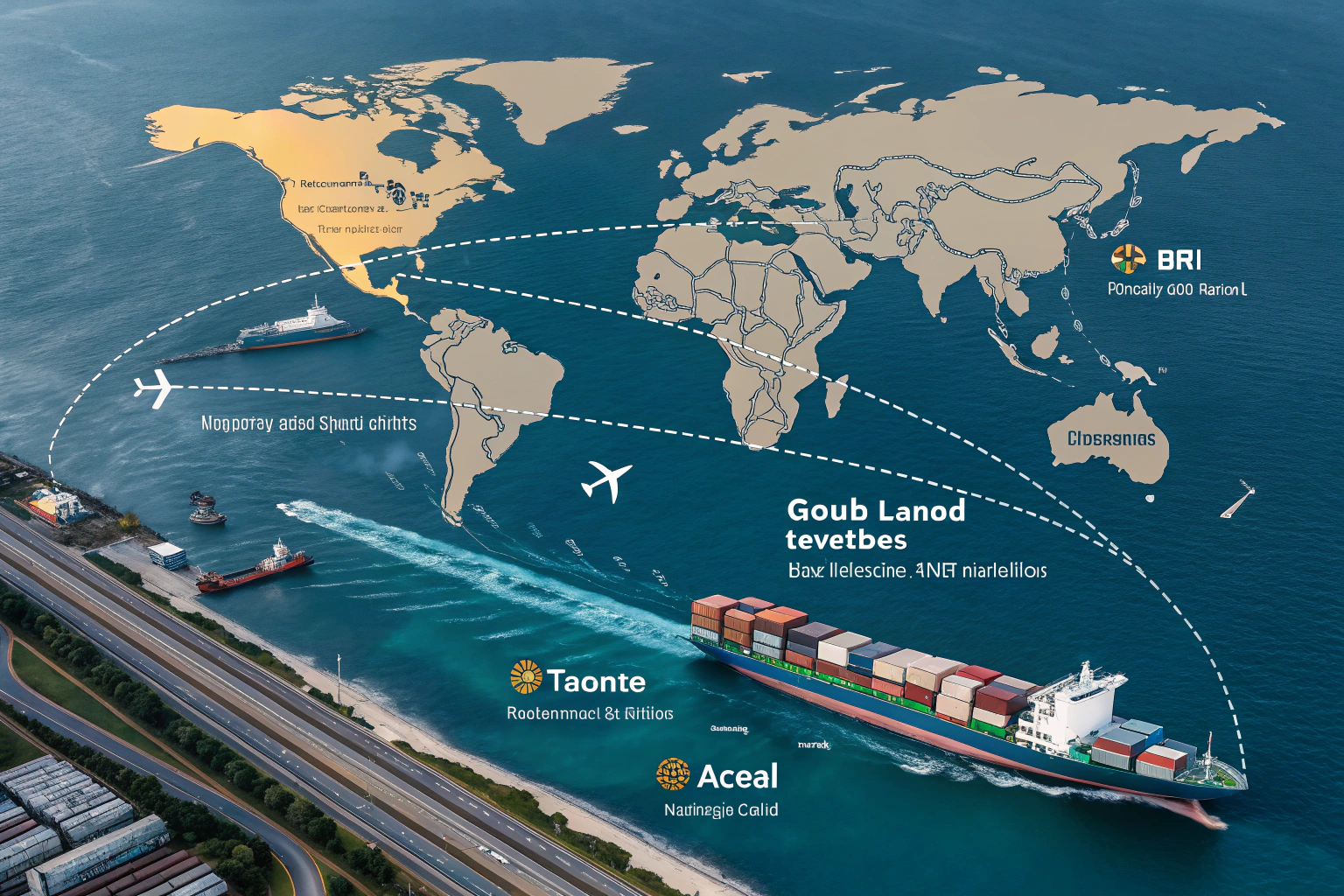
You’re running a textile sourcing or fashion brand, managing a fragile global supply chain. Suddenly, shipping costs spike, a key port gets congested, or a political event closes a traditional route. Your production timeline unravels. What if there was a massive, decade-long infrastructure project quietly building alternatives to these choke points? That’s exactly what China’s Belt and Road Initiative (BRI) is doing. For those of us in the textile trade, it’s not just geopolitical news; it’s reshaping the literal pathways our goods travel, with real impacts on cost, speed, and reliability.
At its core, the BRI is a global development strategy investing in infrastructure across Asia, Africa, Europe, and beyond. It’s building new ports, railways, roads, and logistics hubs. For textile logistics—the lifeblood of our industry that moves everything from Australian cotton to Vietnamese finished garments to European shelves—this represents a fundamental re-routing of traditional flows. The impact is twofold: it creates new overland and multimodal corridors that compete with sea freight, and it enhances port and rail capacity along established maritime routes (the "Maritime Silk Road").
This isn’t theoretical. I’ve seen the changes firsthand from our base in Keqiao. Fabric shipments to Poland that once went solely by sea now routinely go by train via the China-Europe Railway Express. Clients in Italy receive samples faster via new air cargo routes bolstered by BRI-linked airport investments. The initiative is adding resilience and optionality to a system that was overly dependent on a few crowded sea lanes. But it also comes with complexities, from navigating new customs regimes to assessing the true door-to-door cost. Let’s untangle how this grand vision translates into practical logistics for textile and apparel businesses.
How Does the BRI Create New Overland Textile Transport Routes?
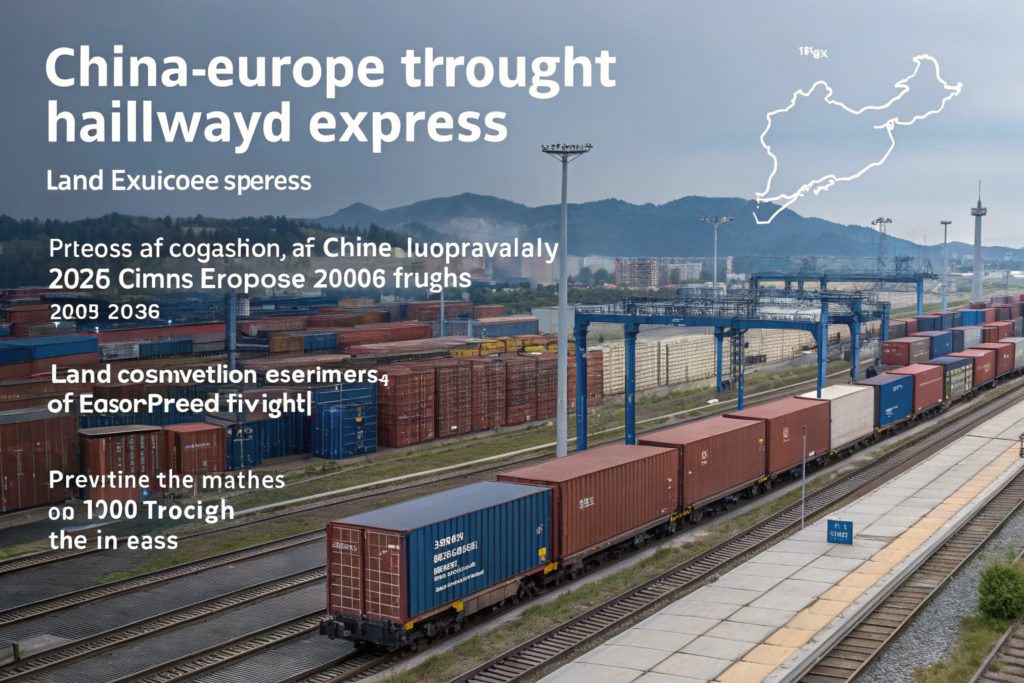
The most dramatic shift is on land. The BRI has supercharged the China-Europe Railway Express—a network of rail freight lines connecting over 200 Chinese cities to 25 European countries. For textile logistics, this is a game-changer, offering a "middle way" between slow sea freight (4-6 weeks) and expensive air freight (1-3 days).
The rail route typically takes 12-18 days from major Chinese hubs like Xi’an or Chongqing to destinations like Duisburg (Germany), Lodz (Poland), or Milan (Italy). This is transformative for time-sensitive, mid-to-high-value textile shipments. Think of it for: premium fabrics with short fashion cycles, samples for photo shoots or trade shows, urgent replenishment orders, or inventory for fast-fashion rotations. The cost is roughly double that of sea freight but only a fraction of air freight. For many of our European clients, this has become the default for orders under 5,000 kg where speed matters.
What are the practical advantages of BRI rail for textiles?
- Predictability: Schedules are more reliable than sea freight, which is plagued by port congestion and schedule volatility. You can plan production and warehouse intake with greater confidence.
- Reduced Inventory Holding Costs: Faster transit means you can hold less safety stock, freeing up working capital.
- Lower Risk of Damage/Theft: The sealed container undergoes far less handling and is less exposed to the corrosive salt air and humidity of long sea voyages compared to managing moisture damage for textile sea shipments. This is crucial for sensitive fabrics like white linens or delicate silks.
- Green Credentials: Rail transport generates significantly lower CO2 emissions per ton-kilometer than air freight and is generally cleaner than sea freight. This is a growing selling point for eco-conscious brands.
However, it’s not without challenges. The route passes through multiple countries (e.g., Kazakhstan, Russia, Belarus), each with its own customs procedures. A single documentation error can cause delays. This is where using a logistics partner with proven expertise on the BRI rail corridors is non-negotiable. We’ve learned that consolidating shipments with other suppliers in Keqiao into full container loads (FCL) on the rail is key to securing space and better rates.
How is the "Digital Silk Road" integrated with physical logistics?
The BRI isn’t just steel and concrete; it includes a "Digital Silk Road" promoting cross-border e-commerce and data connectivity. For textile logistics, this manifests in improved tracking and customs clearance. Many BRI corridors now feature integrated digital platforms where shippers can track containers in real-time across different rail operators and border crossings. Some corridors are piloting paperless customs clearance, where data is exchanged electronically between Chinese and destination country systems before the train arrives, slashing border waiting times. This digital layer is crucial for making these new physical routes as efficient and transparent as possible.
How Does the Maritime BRI Affect Traditional Sea Freight for Textiles?
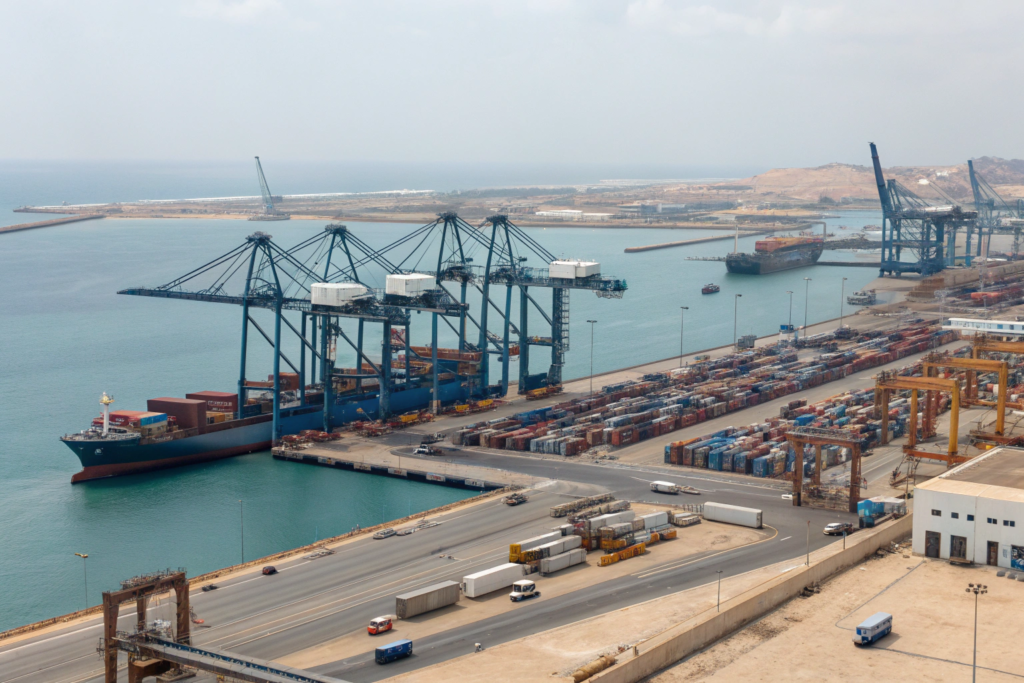
While the railways get headlines, the "21st Century Maritime Silk Road" is arguably more impactful for the bulk of textile trade, which still travels by sea. This arm of the BRI focuses on port development, modernization, and connectivity along the key shipping lanes from China through Southeast Asia, across the Indian Ocean to Africa and Europe.
Chinese investments have upgraded or built new ports in strategic locations like Piraeus (Greece), Hambantota (Sri Lanka), Gwadar (Pakistan), and Djibouti. The goal is to create a network of efficient transshipment hubs. For a textile shipper, this can mean:
- More Routing Options: Alternative ports can be used to avoid congestion at traditional hubs like Singapore or Rotterdam.
- Improved Efficiency at Certain Ports: Modern cranes and deeper berths mean faster turnaround for mega-container ships.
- Development of New Sourcing Regions: Improved port infrastructure in places like East Africa makes it more feasible to source from or manufacture in these regions, supported by special economic zones for textile manufacturing that are often part of the BRI package.
Does this reduce costs or just shift them?
The impact on cost is indirect but significant. By increasing overall port capacity and competition among routes, the Maritime BRI can help stabilize or slow the growth of shipping costs in the long term. More importantly, it adds resilience. During the peak of the COVID-19 pandemic, when ports like Yantian (Shenzhen) faced closures, having knowledge of and access to alternative BRI-linked ports in the region provided crucial contingency plans for our clients. However, these new ports also require shippers to do their homework on local customs efficiency, trucking connectivity, and labor stability—factors that can add hidden costs if not managed well.
What about the "Last Mile" within Asia?
A crucial, often overlooked aspect is regional connectivity. The BRI funds extensive road and rail networks within Asia, such as the China-Laos Railway and corridors linking Southern China to Vietnam and Thailand. For textile companies with multi-country supply chains (e.g., fabric from China, sewing in Vietnam, finishing in Cambodia), these improved inland links make multimodal transport smoother and cheaper. It simplifies the movement of semi-finished goods between ASEAN manufacturing countries, creating a more integrated and efficient regional production ecosystem.
What Are the Real-World Logistics Case Studies in Textile Trade?
The theory is good, but what does it look like on the ground? Let’s examine two concrete examples from our work at Shanghai Fumao that show the BRI’s tangible impact.
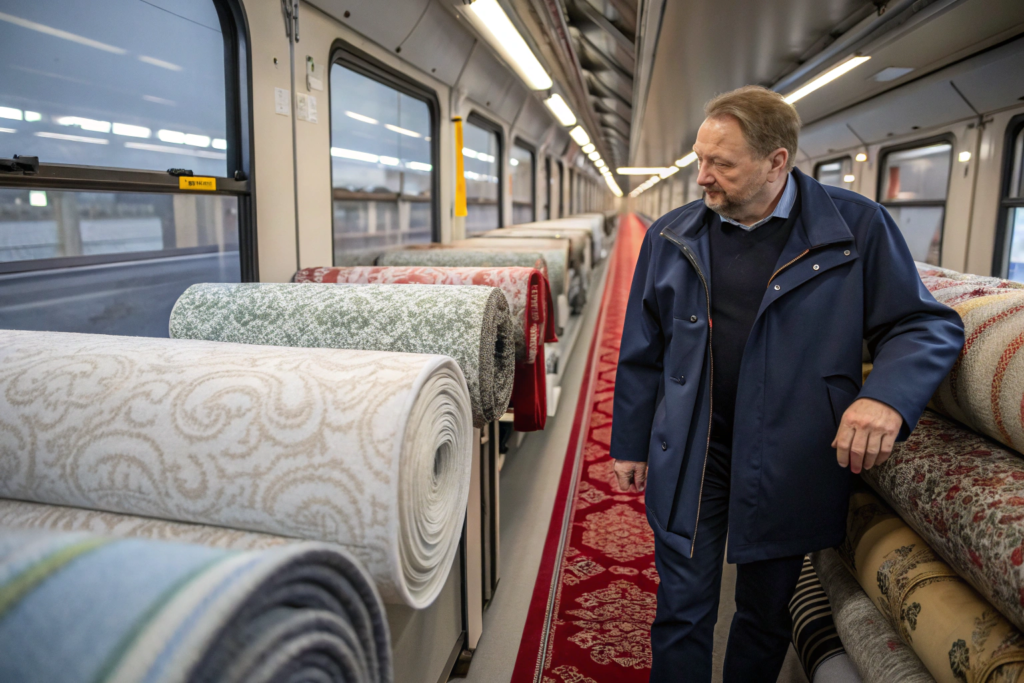
Case Study 1: The "Carpet Express" to Europe.
A long-term client in Belgium sources high-end, heavy wool jacquard fabrics for the interior design market. Historically, they shipped by sea from Ningbo to Antwerp (35-40 days). Volumes didn’t justify air freight, but the long lead time forced them to forecast far in advance, missing opportunistic orders. In 2021, we piloted the China-Europe rail via the "Xi’an-Duisburg" route. The result? Transit time of 16 days door-to-door. The cost was 1.8x sea freight but the client gained over 3 weeks of flexibility. They now use rail for 70% of their orders, keeping best-selling designs in closer replenishment cycles. The key was working with a forwarder specializing in rail to handle the complex customs clearance for textile imports via multimodal transport.
Case Study 2: Leveraging Piraeus for Southern European Access.
For our clients in Italy and Greece, the Chinese investment in Piraeus port has been transformative. Piraeus is now one of the largest ports in the Mediterranean. Major shipping lines offer direct services from Chinese ports to Piraeus, which often have shorter sailing times than routes going north to Hamburg or Rotterdam first. For a garment importer in Milan, we now often route containers via Piraeus, where they are offloaded and moved by truck or short-sea feeder to Italy. This can shave 5-7 days off the total transit time compared to the North Europe route. It’s a prime example of the Maritime BRI creating a faster, competitive southern gateway into Europe.
What Are the Challenges and Risks of Using BRI Corridors?
New opportunities bring new complexities. Relying on BRI routes requires awareness of several non-trivial challenges:
- Geopolitical Sensitivity: The BRI is a state-led initiative, and routes can be affected by international relations. Sanctions, diplomatic tensions, or local political changes in transit countries can introduce uncertainty.
- Infrastructure "Gray Zones": While major hubs are modern, some connecting infrastructure in inland regions or secondary ports may still be underdeveloped, leading to unexpected bottlenecks.
- Documentation and Compliance Complexity: Overland routes require harmonized documentation (CIM/SMGS rail waybills) and deep understanding of the customs rules of multiple countries. Misclassification of textile goods can lead to delays.
- Capacity Constraints: While growing, rail capacity is still finite. During peak seasons (Q3/Q4), space on popular westbound routes can be tight, and rates can fluctuate.
- Limited Eastbound Flow: The rail network is currently heavily utilized for westbound traffic from China. Finding cost-effective backhaul solutions for European exports to Asia is more challenging, which can affect the overall economics for logistics providers.
Mitigating these risks involves diversification and expert partnership. Don’t put all your eggs in one BRI basket. Use rail for time-sensitive goods, but maintain sea freight for bulk, non-urgent basics. Most importantly, partner with freight forwarders and suppliers who have established, on-the-ground experience on these specific routes. They can navigate the paperwork, secure reliable space, and advise on the optimal route for each shipment.
How Can Textile Businesses Strategically Leverage the BRI?
For forward-thinking brands and suppliers, the BRI isn’t just a logistics topic; it’s a strategic sourcing and supply chain consideration. Here’s how to integrate it into your planning:
- Map Your Supply Chain Against BRI Assets: Identify where your suppliers, manufacturers, and key markets are located relative to new rail hubs, ports, and economic zones. You may find opportunities to consolidate shipments at a new inland rail hub like Chongqing instead of coastal Shanghai.
- Redesign Your Inventory and Ordering Model: The availability of a reliable 15-day transit option allows for a hybrid inventory model. Keep bestsellers in regional warehouses in Europe supplied by rail, while using slower, cheaper sea freight for seasonal or baseline stock.
- Explore New Sourcing Regions: The BRI’s infrastructure investments are making countries in Central Asia (like Uzbekistan for cotton) and East Africa potential new sourcing frontiers. The improved logistics lower the barrier to exploring these markets.
- Incorporate Resilience into Contracts: When negotiating with suppliers, discuss and agree on Incoterms that allow flexibility in routing (e.g., FCA [Named inland hub in China] rather than FOB Shanghai). This gives you, the buyer, control to choose the best transport mode post-production.
For us at Shanghai Fumao, being embedded in the Keqiao cluster with direct access to the Yangtze River Delta logistics network means we actively counsel clients on these choices. We’re not just selling fabric; we’re providing a logistics roadmap that leverages the new reality of BRI connectivity to deliver their goods faster, safer, and often with a smaller carbon footprint.
Conclusion
The Belt and Road Initiative is fundamentally recalibrating the arteries of global textile logistics. It is breaking the old binary choice between cheap-but-slow sea freight and fast-but-expensive air travel by inserting a robust, reliable rail alternative. Simultaneously, it is upgrading maritime networks, offering new gateways and resilience against congestion.
For textile and apparel businesses, the imperative is to move from passive observation to active engagement. Understanding the specific corridors, calculating the true total cost of transit (including inventory benefits), and building relationships with logistics partners adept in this new landscape are critical steps. The BRI introduces complexity but rewards it with speed, optionality, and strategic advantage.
If you are looking to optimize your textile supply chain by leveraging these evolving trade routes and need a sourcing partner with on-the-ground logistics intelligence, let’s talk. Contact our Business Director, Elaine, at elaine@fumaoclothing.com to discuss how we can streamline your fabric sourcing and delivery through optimized BRI and traditional logistics channels. At Shanghai Fumao, we’re navigating these new roads—and rails—to connect you more efficiently to the global market.