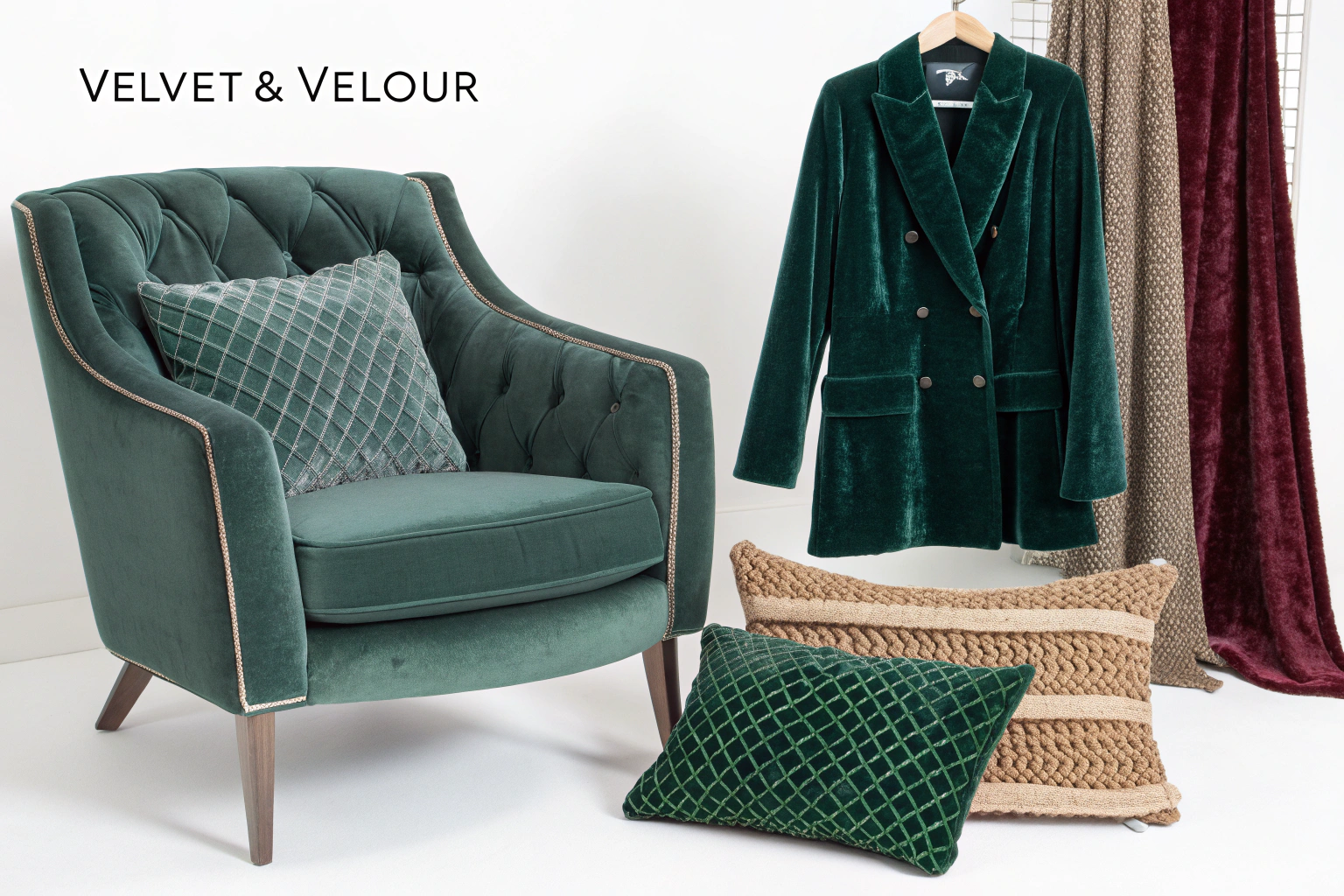
That rich, luminous texture that catches the light and begs to be touched—velvet and its cousin velour have an undeniable magic. But for anyone trying to source these pile fabrics, the initial enchantment can quickly turn to confusion. Is velour just cheap velvet? Why does one velvet drape like liquid while another feels stiff? And how do you ensure the luxurious red fabric for your sofa or evening gown doesn’t turn into a faded, matted disappointment after a few months? As a fabric supplier in the heart of Keqiao, I’ve seen the full spectrum, from exquisite, centuries-old weaving techniques to mass-produced imitations that fall apart.
Understanding the fundamental distinction is step one. Velvet is traditionally a woven fabric with a dense, even pile (the soft surface) created by cutting the loops of yarn that are woven into a base cloth. It’s associated with structure, luxury, and a distinct light refraction that gives it that signature "color change" when brushed. Velour, in its modern form, is primarily a knitted fabric, where the pile is created by shearing loops on a knit base. It’s inherently stretchier, softer, and often more casual in feel. But here’s where it gets nuanced: the names are now used interchangeably in some contexts, and construction methods have blurred. Your sourcing success depends on looking beyond the name to the actual fiber, construction, weight, and finish.
Whether you’re upholstering a high-end furniture line or designing a fall/winter apparel collection, the principles of smart sourcing are the same. It’s about matching the fabric’s technical specifications to its end-use demands—durability for a sofa, drape for a dress, and care requirements for the end consumer. Let’s unravel the velvet and velour supply chain to source with confidence.
What Are the Key Differences Between Velvet and Velour?
Before you speak to any supplier, you must know what you’re asking for. The confusion between velvet and velour is the number one source of mismatched expectations. Historically, the difference was clear-cut: weaving vs. knitting. Today, the lines are fuzzier, but the core characteristics still define their best uses.
True Velvet (Woven): Imagine a sandwich. Two layers of backing cloth are woven simultaneously on a special loom, with connecting threads forming loops between them. These loops are then precisely cut to create two separate pieces of fabric, each with a dense, upright pile. This is a double-woven cut-pile construction. It results in a fabric with a stable, non-stretch base, a luxurious dense pile, and a distinct "nap" (direction where the pile lies smoothly). Brushing against the nap reveals a darker shade. This is the velvet of royal robes and classic theater curtains—structured, opulent, and with a high material cost due to the complex weaving process.
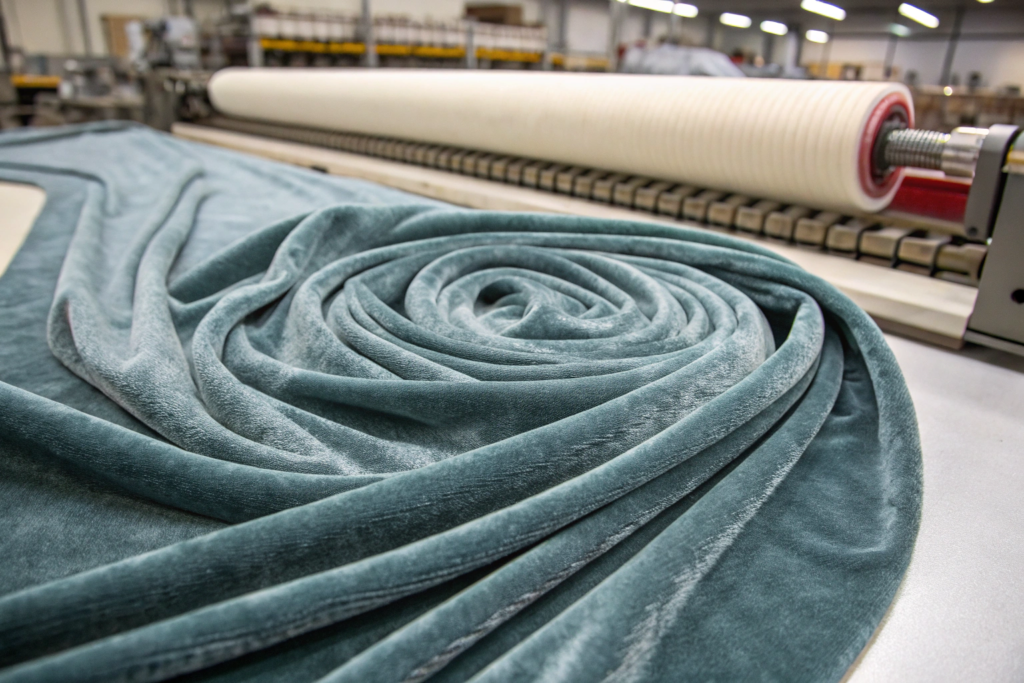
Modern Velour (Knitted): This is created on a circular knitting machine. A looped pile is knitted directly into a single base layer (often a cotton or polyester knit), and then the tops of the loops are sheared off to create a uniform, plush surface. The result is a fabric with inherent four-way stretch (due to the knit base), a softer, less dense pile than woven velvet, and a more uniform appearance with less pronounced light-and-shadow play. It’s generally more affordable, easier to sew with, and ideal for garments where comfort and stretch are key.
How does fiber content further define these fabrics?
The base fiber dictates the fabric’s soul:
- Silk Velvet: The pinnacle of luxury. Incredibly luminous, soft, and drapes fluidly. Used in haute couture and premium decor. Delicate and requires specialized care.
- Cotton Velvet/Velour: Breathable, soft, and has a more matte finish. Common in apparel and lighter-duty upholstery. Cotton velour is a staple for casual wear and robes.
- Polyester & Nylon Velvet/Velour: The workhorses. Highly durable, colorfast, resistant to crushing and moisture. Perfect for high-traffic upholstery, performance apparel, and cost-sensitive projects. Can mimic the look of silk well.
- Blends (e.g., Poly-Cotton): Offer a balance of durability, comfort, and cost. Very common for both apparel and home textiles.
A critical specification is pile density and height. For upholstery, a shorter, denser pile (measured in ounces per square yard or grams per square meter) will resist crushing and wear better than a long, plush pile. For a decadent evening coat, a longer pile might be the desired effect, accepting that it will require more care.
What is "crushed velvet" and "devoré velvet"?
These are finishes, not constructions, and they open up huge design possibilities.
- Crushed Velvet: The fabric is twisted or pressed in different directions after weaving/knitting, breaking the pile’s uniform direction to create a patterned, textured look with varied light reflection. It hides marks well.
- Devoré (or Burn-Out) Velvet: A mixed-fiber fabric (e.g., polyester pile on a silk or cellulose base) is treated with a paste that dissolves (burns out) the base fiber in a pattern, leaving translucent areas surrounded by velvet pile. It’s dramatic and used in high-fashion apparel and decorative pillows.
When sourcing, you must specify not just "velvet" but the exact type: "a 95% polyester, 5% spandex knitted velour with a 3mm pile height for lounge pants" or "a 100% cotton double-woven velvet with a 12 oz weight for upholstery." This precision is your first defense against receiving the wrong material.
What Specifications Matter Most for Home Textile Sourcing (Upholstery, Curtains)?
Sourcing velvet for home textiles is an engineering challenge disguised as an aesthetic choice. A beautiful velvet that pills, crushes, or fades in sunlight is a liability. The key metrics here are durability, cleanability, and lightfastness.
First and foremost: The Rub Test (Martindale or Wyzenbeek). This measures a fabric’s abrasion resistance. For residential upholstery, you typically want a rating of 15,000+ double rubs (Wyzenbeek). For heavy commercial use (hotels, offices), look for 30,000+. Always ask your supplier for the test report from an accredited lab (like SGS or Intertek). For curtains, abrasion is less critical, but lightfastness is paramount. Ask for the ISO 105-B02 test result; a rating of 4-5 (on a scale of 1-5, with 5 being best) is good for most interiors, but for south-facing windows, aim for the highest possible.
Flame Retardancy (FR) is non-negotiable for many commercial projects and in regions like California (Cal TB 117). FR treatments can be applied topically (which may wear off) or incorporated into the fiber itself (inherent FR, more durable). Specify your requirement clearly. In 2022, we supplied inherent FR polyester velvet for a chain of boutique cinemas. The fabric had to pass strict smoke toxicity tests, which guided our entire fiber and backing selection process from the start.
What about backing and finish for upholstery velvet?
A good velvet becomes great upholstery fabric with the right backing and finish.
- Backing: A clipping-lock latex or acrylic coating on the back prevents pile yarns from being pulled out (a process called "grinning") and stabilizes the fabric for sewing and stretching onto furniture frames.
- Finish: Soil and Stain Repellent finishes (like Teflon™ or other nanotechnology-based treatments) are essential for maintaining appearance. They cause liquids to bead up on the surface, allowing for blotting before a stain sets. Always request details on the specific repellent used and its expected lifespan (through how many cleanings).
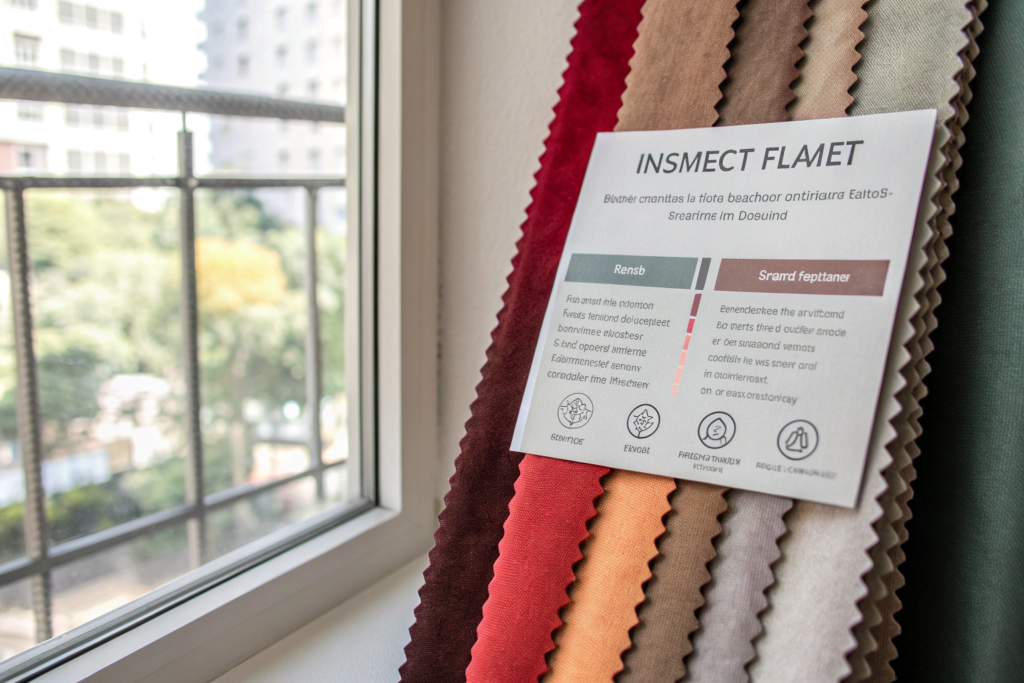
Don’t be shy to ask for a performance specification sheet that includes all these test results. Reputable suppliers like us at Shanghai Fumao compile these for our contract-grade fabrics. It’s your technical assurance.
How do I choose between woven velvet and knitted velour for home use?
- For Upholstery on Structured Furniture (Sofas, Chairs): Woven velvet is generally superior. Its stable base provides the body and strength needed to be stretched taut over frames without distorting. A high-quality polyester or nylon woven velvet will offer the best durability.
- For Drapery and Throw Pillows: Both can work. Woven velvet drapes with heavier, more formal folds. A heavy knitted velour can also drape beautifully and may be more cost-effective. Prioritize lightfastness here.
- For Casual Homewear (Blankets, Robes): Knitted velour is the clear winner for its softness, stretch, and cozy feel. Look for cotton or cotton-blend velours.
What Specifications Matter Most for Apparel Sourcing?
In apparel, the priorities shift from durability against furniture to drape, hand feel, wearability, and care. The wrong velvet can make a beautiful design look stiff, feel uncomfortable, or become a dry-clean-only burden.
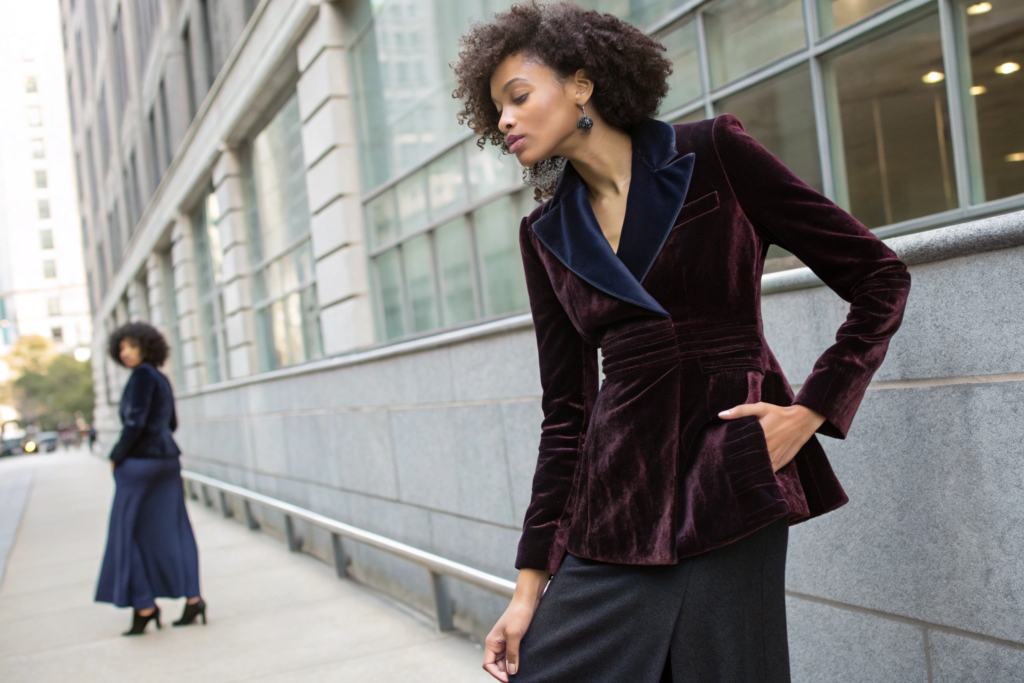
The single most important factor is drape. This is determined by the base fabric’s weight and flexibility. For flowing dresses, kimonos, or wide-leg pants, you need a lightweight velvet or velour with a fluid drape. This often means a silk velvet, a fine polyester velvet, or a rayon-backed velvet. For structured pieces like blazers, corsets, or tailored skirts, a medium-weight woven velvet with more body is necessary to hold the shape.
Stretch is a game-changer for modern apparel. Knitted velours naturally offer comfort stretch. For woven velvets, achieving stretch requires blending spandex (usually 2-5%) into the backing yarns. This creates a "stretch velvet" that maintains a luxe look while allowing for movement. It’s ideal for fitted dresses, tops, and pants. Always check the stretch and recovery percentage—poor recovery will lead to a baggy garment after a few wears.
What are common pitfalls in apparel velvet sourcing?
- Pile Shedding: Low-quality velvets shed fibers excessively. Ask about the fastness of the pile. The weaving/knitting tension and finishing processes (like steaming and shearing) lock the pile in place.
- Color Transfer: Some dyed velvets, especially deep shades, are prone to crocking (color rubbing off). Request a crocking test result (AATCC 8). A rating of 4-5 is acceptable.
- Crushing: The pile gets permanently flattened in seating areas (like the backside of a skirt). A denser pile and synthetic fibers (polyester, nylon) resist crushing better than cotton or silk. For areas prone to crushing, consider a panne velvet (where the pile is permanently pressed in one direction) or a crushed velvet finish, which disguises future crushing.
A practical tip from our work with a New York eveningwear designer: for a line of velvet cocktail dresses, we sourced a 95% Polyester, 5% Spandex stretch velvet with a micron-level pile. The polyester provided durability and crush resistance for dining and dancing, the spandex allowed a sleek fit, and the fine pile gave a silk-like sheen without the silk price point and delicacy.
How important are care instructions for apparel velvet?
Crucial. This impacts your customer’s experience and your brand’s reputation. Always provide clear care labels. Most synthetic velvets and velours can be cold machine washed on gentle and laid flat to dry. Never wring or tumble dry, as heat can melt fibers or crush the pile. Silk velvets and some delicate constructions must be dry cleaned. Your fabric supplier should provide recommended care instructions based on the fiber and finish. Build this into your tech pack.
Where and How to Find Reliable Velvet/Velour Suppliers?
Your sourcing channel depends on your volume, quality needs, and development support required.
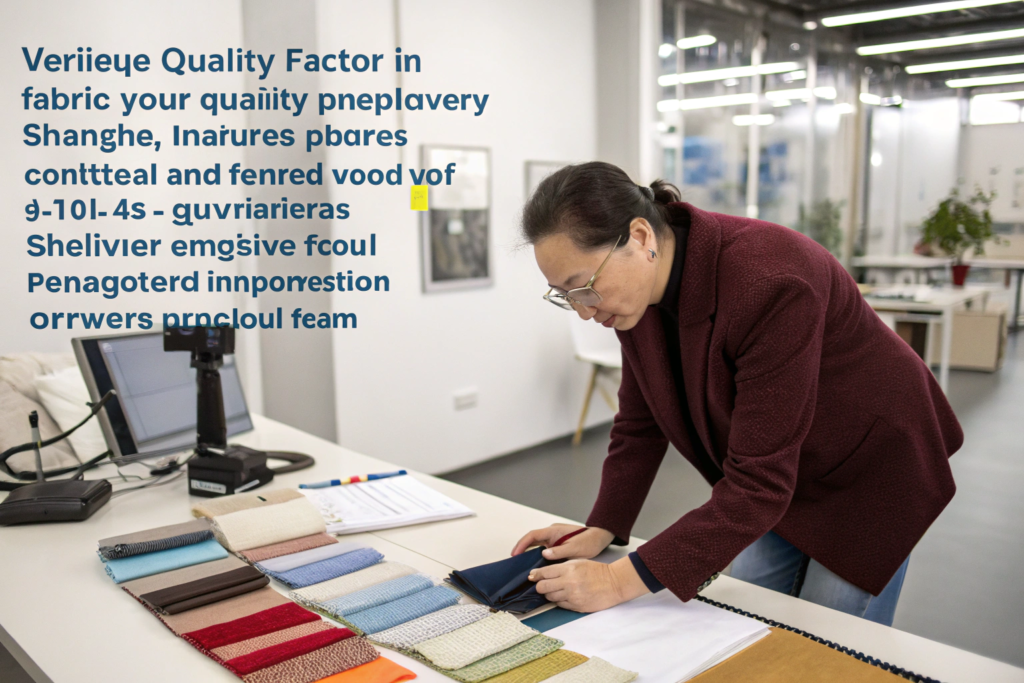
- Fabric Sourcing Platforms (Alibaba, Global Sources): Best for high-volume, standard product sourcing. You can find hundreds of suppliers. The challenge is verifying quality. Always order physical swatches and a sample yard before any bulk commitment. Use video calls to "tour" the factory floor virtually.
- Specialized Fabric Trade Shows: Events like Intertextile Shanghai or Première Vision Paris are unparalleled for discovering innovators, feeling new textures, and building relationships with mills directly. This is where you’ll find unique jacquard velvets, innovative eco-velours, and high-tech finishes.
- Direct Mill Partnerships (Like Us at Shanghai Fumao): For brands seeking development partnership, customization, and consistent quality. We act as your agent within the Keqiao textile cluster, accessing specialized velvet/velour mills, managing quality control, and consolidating logistics. This is efficient for brands that don’t have a full-time sourcing team on the ground in Asia.
What questions should I ask a potential supplier?
Go beyond price per yard. Ask these qualifying questions:
- "Can you provide a physical swatch card and a performance data sheet for this fabric?"
- "What is the minimum order quantity (MOQ) for this item? For a custom color/design?"
- "What certifications do you have? (e.g., OEKO-TEX Standard 100 for harmful substances, GRS for recycled content)"
- "What is your lead time from order confirmation to shipment for a standard color?"
- "Can you arrange a pre-shipment inspection of the bulk fabric?"
- "Do you offer custom development? Can we create a velvet with X fiber, Y weight, and Z finish?"
Their ability and willingness to answer these questions thoroughly is a strong indicator of professionalism.
How can I verify quality before placing a bulk order?
The 3-Stage Sample Process is your best practice:
- Swatch Approval: Get small swatches of your shortlisted fabrics.
- Strike-Off/Bulk Sample Yardage: Order 3-5 meters of your chosen fabric in your exact color (a "lab dip" match may be required). Make a prototype garment or test it on a furniture frame. Put it through real-world tests: sit on it, rub it, wash it if applicable, check it in different lights.
- Pre-Shipment Sample: Once the bulk order is produced, have your supplier or a third-party inspector send a 1-meter cut from the beginning of the production run. Verify it matches your approved sample in color, weight, and hand feel.
Never skip these steps. The small cost of sampling prevents catastrophic bulk order mistakes.
What are the Sustainable and Innovative Trends in Velvet/Velour?
The market is moving beyond conventional materials. Eco-conscious sourcing is now a major differentiator.
- Recycled Content: Velours made from 100% GRS-certified recycled polyester (from plastic bottles) are widely available and perform identically to virgin polyester. We also see recycled cotton velour gaining traction.
- Bio-Based Fibers: Velvets incorporating Tencel™ Lyocell or ECOVERO™ viscose (from sustainably managed forests) into the pile or base offer a biodegradable alternative with a beautiful drape.
- Innovative Textures: Laser-cut velvets create precise, intricate patterns without the fraying of traditional cutting. Digital printed velvets allow for photorealistic or artistic designs with no repeat limitations, perfect for statement pieces in both fashion and interior design.
Sourcing these materials requires a supplier with an active R&D department and access to niche mills. We are currently developing a velour for active-loungewear that blends recycled polyester with seaweed-based fibers for natural moisture management and odor control—a direct response to brand requests for multifunctional, sustainable fabrics.
Conclusion
Sourcing velvet and velour successfully is an exercise in precision and partnership. It requires moving from vague desires ("a red velvet") to precise specifications (fiber, construction, weight, pile height, finish, and performance certifications). By understanding the distinct DNA of woven velvet versus knitted velour, and by rigorously defining the needs of your end-use—be it a hard-wearing sofa or a flowing gown—you can navigate the market with confidence.
The relationship with your supplier is critical. Look for transparency, technical support, and a willingness to provide verifiable data. The best suppliers don’t just sell fabric; they provide solutions and peace of mind.
If you’re looking to source exceptional velvet or velour fabrics with clear specifications, reliable performance, and the option for sustainable customization, let’s connect. Contact our Business Director, Elaine, at elaine@fumaoclothing.com to discuss your project and request our curated swatch library. At Shanghai Fumao, we help you translate your vision into a tactile reality that stands the test of time and touch.