Have you ever touched a fabric that feels like liquid silk, drapes like a dream, and breathes like cotton, but comes with a cruelty-free label? That’s the magic of cupro. As someone who’s handled everything from raw polyester to premium cashmere, I can tell you cupro stands out. It’s that secret weapon in sustainable luxury that many brands are quietly adopting. But what exactly is it, and why does it deserve the title "vegan silk"?
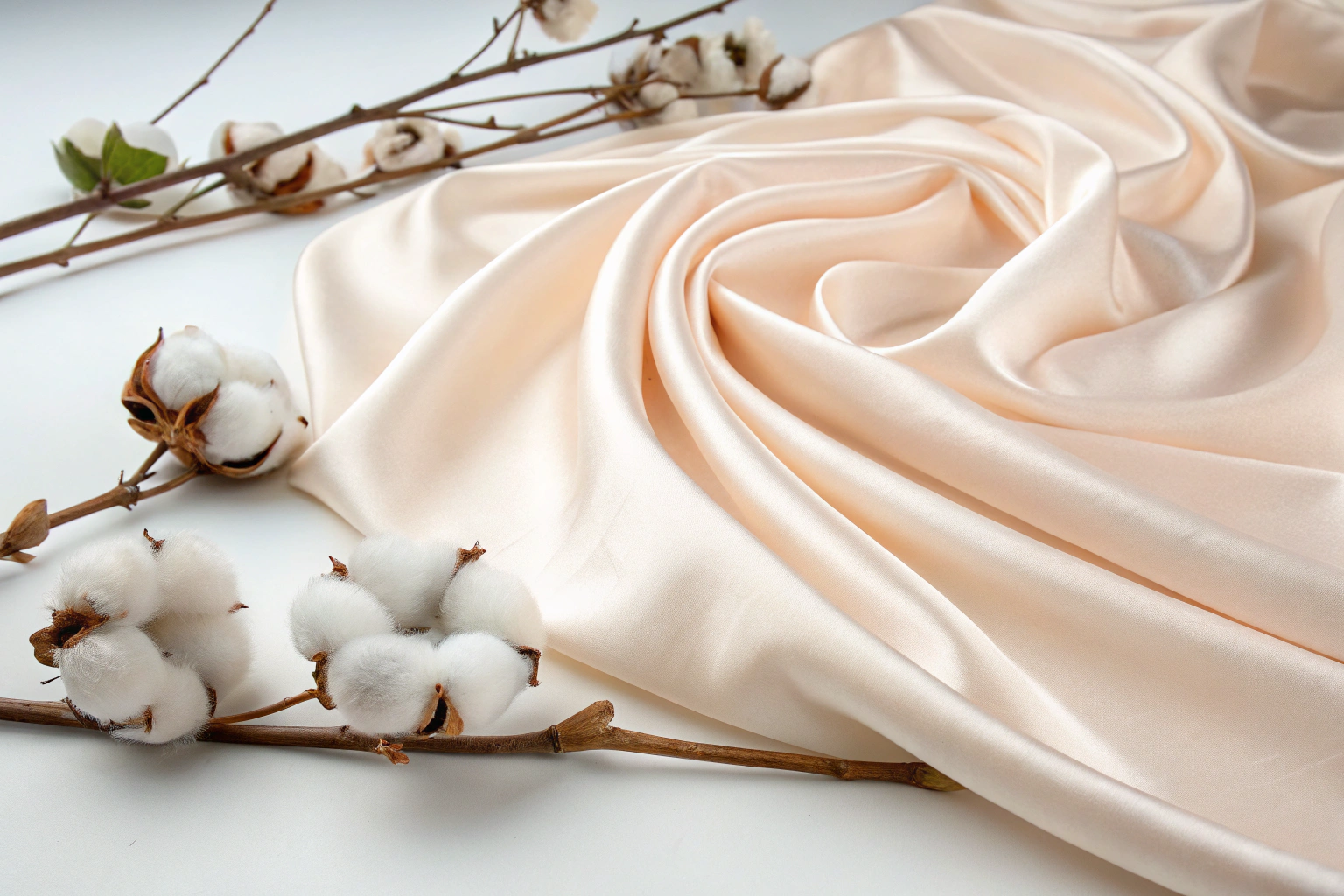
At its core, cupro (short for cuprammonium rayon) is a regenerated cellulose fiber. That means it starts with a natural plant-based material—specifically, cotton linter, the tiny, silky fibers that stick to cottonseeds after ginning. These linters are often a waste product. Through a chemical process using copper and ammonia (in a closed-loop system in modern production), this cellulose is dissolved and regenerated into a fine, continuous filament. The result? A fiber with a molecular structure and hand feel strikingly similar to silk, but derived entirely from plants. That’s the "vegan" part—no silkworms involved.
But calling it "vegan silk" isn’t just clever marketing. It’s a direct analogy to its performance and aesthetic. Cupro shares silk’s luminous sheen, its fluid drape, and its luxurious, smooth hand. Yet, it often comes with practical advantages: it’s typically less expensive than real silk, can be machine-washed (on gentle!), and is more temperature-regulating. For designers and brands looking for an ethical, sustainable, and luxurious alternative, cupro hits a sweet spot. Let’s dive deeper into this fascinating fabric that’s weaving its way into the future of conscious fashion.
What is Cupro Fabric Made From?
The journey of cupro is a story of turning waste into wonder. Unlike many fabrics that start with a dedicated crop, cupro begins with something that would otherwise be discarded: cotton linter. After cotton is ginned to separate the long staple fibers we all know, the seeds are left covered in these short, fluffy, almost microscopic hairs. For decades, these linters were a nuisance, often burned or used for low-value products like cotton balls.
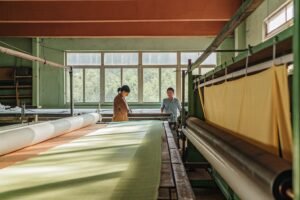
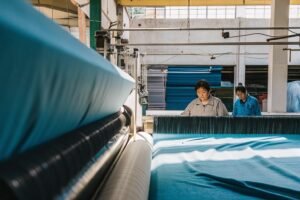
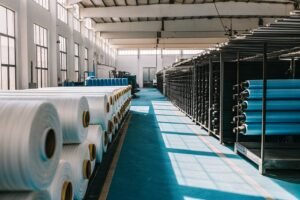
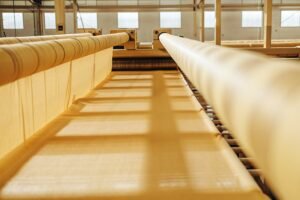
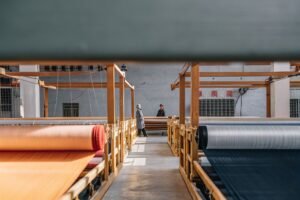
The cupro process rescues this cellulose-rich material. It’s purified, dissolved in a solution of copper and ammonia (the "cuprammonium" part), and then forced through a spinneret into a bath that regenerates it into fine, continuous filaments. This is key: because it’s made from filaments (long, continuous fibers) rather than staples (short fibers), it can achieve that incredibly smooth, silky surface. The closed-loop systems used by advanced producers like our partners recover and recycle over 99% of the copper and ammonia solvents, dramatically reducing environmental impact. This transformative process is why cupro is celebrated as a triumph of circular thinking in textiles.
Is cupro just another type of rayon or viscose?
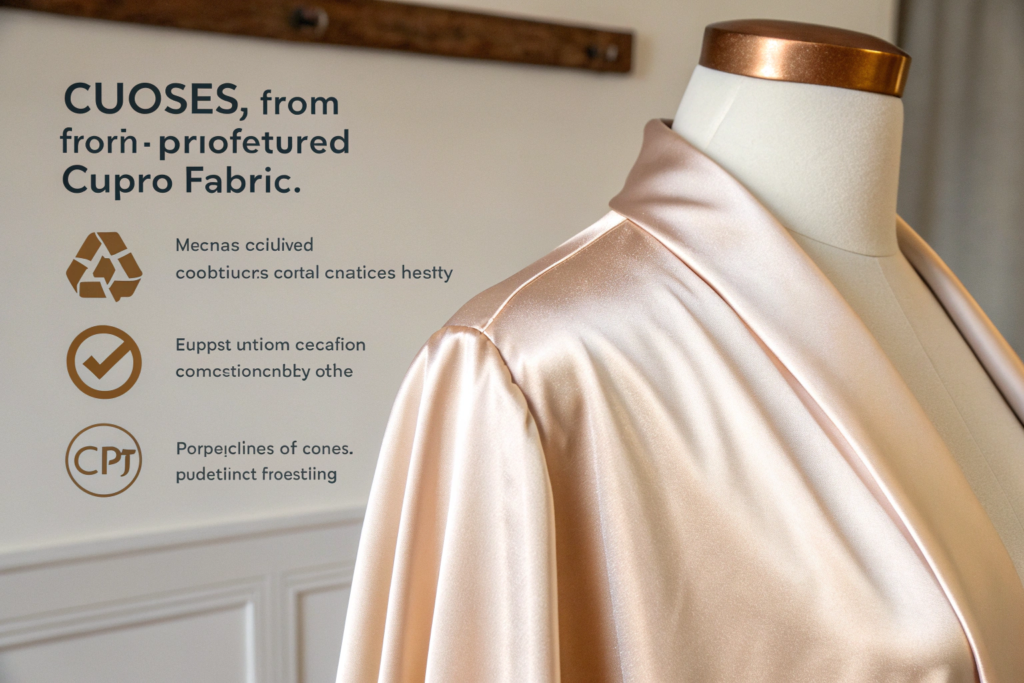
Yes, but with a crucial distinction. Cupro, viscose, modal, and lyocell (Tencel™) are all "regenerated cellulose" fibers. They all start with plant pulp. However, the chemical process and the resulting fiber structure differ. The viscose process uses carbon disulfide and can be harsher, often resulting in a fiber that’s more brittle. Cupro’s cuprammonium process is gentler on the cellulose chains, allowing them to align more smoothly. This produces a finer, more rounded filament that feels inherently softer and more silk-like than standard viscose. Think of it as the premium, artisanal cousin in the rayon family. For brands, understanding this difference between cupro and standard viscose is essential for selecting the right material for a luxury feel.
How does the sourcing of cotton linter impact sustainability?
This is where cupro’s green credentials get nuanced. Using a waste product is inherently sustainable—it adds value to the existing cotton industry without requiring extra land, water, or pesticides specifically for it. However, the sustainability of the base cotton matters. If the linter comes from conventionally grown cotton (which is pesticide and water-intensive), the cupro inherits that upstream impact, even if it’s diverting waste. The gold standard is cupro made from linter of organic or recycled cotton. This creates a powerful, fully circular story. For instance, in 2023, we developed a capsule line of cupro for a Scandinavian minimalist brand using linter from GOTS-certified organic cotton waste. This allowed them to market a fabric that was not only vegan and luxurious but also traced back to responsible farming, a detail their customers deeply valued.
Why is Cupro Called "Vegan Silk"?
The nickname "vegan silk" is a masterclass in descriptive branding. It immediately communicates two powerful ideas: a silk-like experience and an animal-free ethos. For the conscious consumer who loves the feel of silk but not its origins, this is a compelling proposition. The comparison isn’t superficial; it’s rooted in tangible, parallel properties.
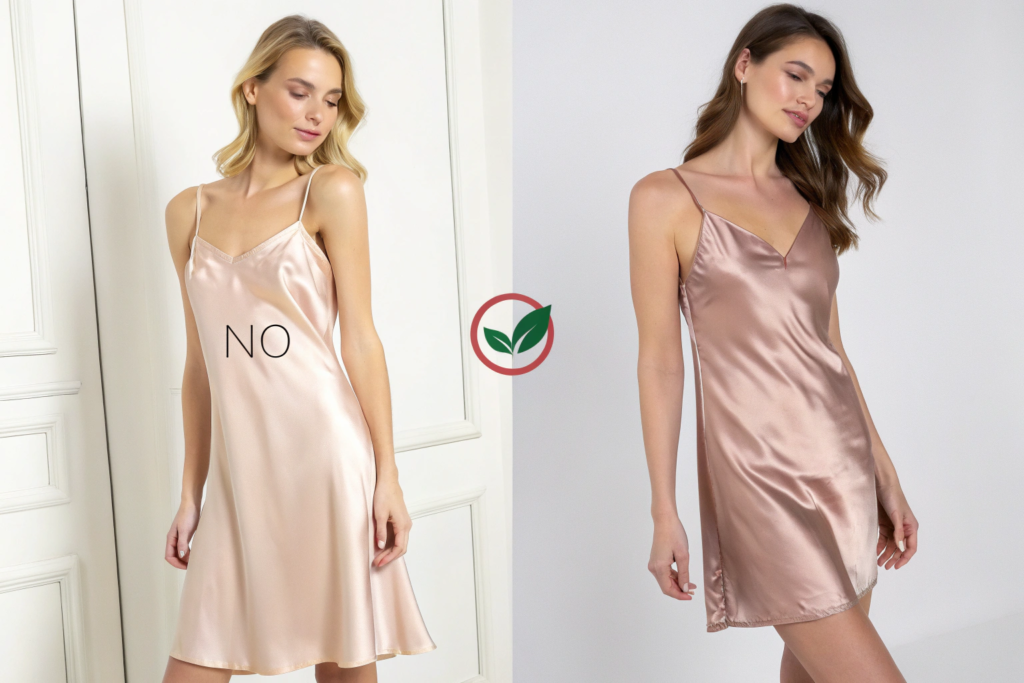
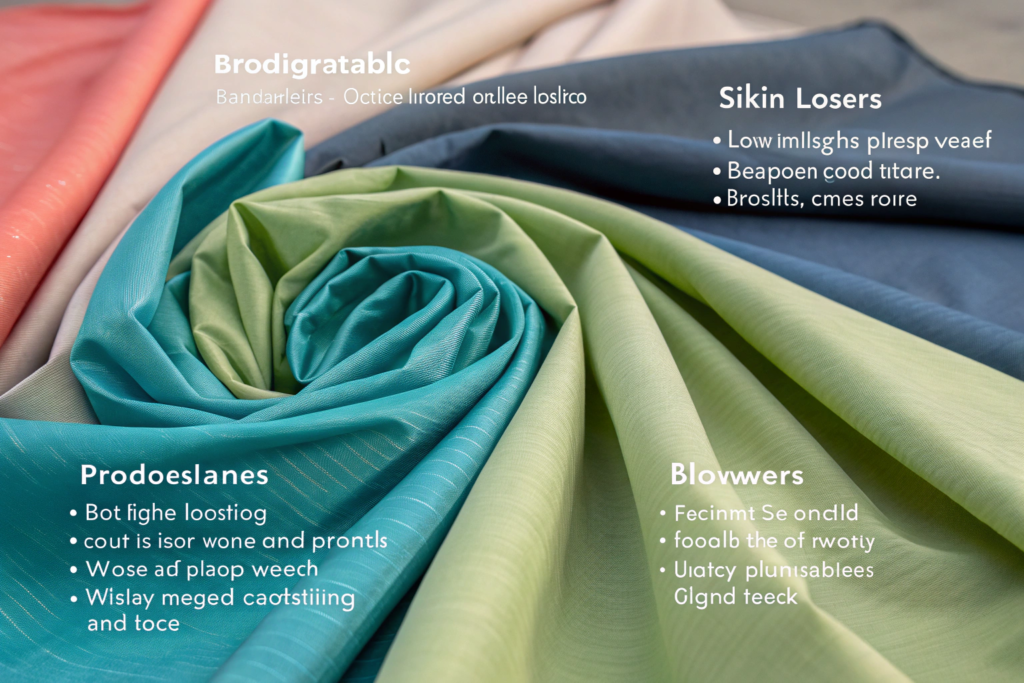
First, drape and fluidity. Both silk and cupro have a beautiful, heavy drape that clings and flows in a way that polyester simply can’t mimic. It’s the difference between fabric that moves with you and fabric that hangs on you. Second, the luminous sheen. Cupro possesses a subtle, pearl-like luster that catches the light softly, very similar to the natural shine of silk charmeuse. Third, the hand feel. High-quality cupro is cool, smooth, and sensuous to the touch. It lacks the sometimes slippery, synthetic feel of polyester satin. These shared sensory qualities make the analogy accurate and meaningful for shoppers.
What are the key performance similarities between cupro and silk?
Beyond look and feel, cupro mirrors some of silk’s beloved wearing qualities:
- Temperature Regulation: Both are breathable and moisture-wicking. They keep you cool in summer and provide a layer of warmth in winter, making them excellent for year-round layering.
- Hypoallergenic: As cellulose-based fibers, they are naturally resistant to dust mites and mold, making them gentle on sensitive skin.
- Dye Affinity: Both fibers absorb dye brilliantly, resulting in deep, rich, and vibrant colors that have a certain depth.
However, it’s in their differences that cupro often gains a practical edge. A major advantage for both brands and consumers is washability. While silk often demands dry cleaning, cupro can usually be machine washed on a gentle, cold cycle, significantly reducing long-term care costs and environmental footprint. This makes it more viable for contemporary, everyday luxury pieces.
Are there any ethical or environmental debates around the "vegan" claim?
The "vegan" label is clear regarding animal welfare, which is its primary focus. However, thoughtful consumers and brands are now looking at the entire lifecycle. The ethical conversation around cupro extends to its chemical process. Traditional cuprammonium production, if not managed in a closed loop, can release copper and ammonia into waterways. Therefore, the crucial question for a responsible buyer isn’t just "is it vegan?" but "is it produced in a closed-loop, environmentally responsible system?" Always ask your supplier for details on their solvent recovery rate and wastewater treatment. The best manufacturers, like those we work with, treat this as non-negotiable. The fabric’s green story is only as strong as its production ethics.
What Are the Pros and Cons of Using Cupro in Fashion?
Cupro is a fabulous fabric, but like any material, it has its strengths and weaknesses. Understanding these is key to using it successfully in your designs and managing customer expectations.
The Pros (Why We Love It):
- Luxurious Aesthetic & Drape: Offers a high-end, silk-like look at a more accessible price point.
- Breathable & Comfortable: Excellent moisture-wicking and temperature regulation for comfortable wear.
- Sustainable Story: Made from cotton waste, biodegradable, and can be produced in low-impact closed-loop systems.
- Dyeability: Produces beautiful, saturated colors.
- Versatility: Can be woven into lightweight linings, mid-weight blouses, or heavier drapey trousers.
The Cons (What to Watch For):
- Care Requirements: While more robust than silk, it still requires care. It can be prone to wrinkling and may weaken or shrink if exposed to high heat or harsh agitation.
- Wet Strength: Like many cellulosic fibers, cupro is weaker when wet. This means garments need gentle handling during washing.
- Cost: It is more expensive than standard viscose or polyester, though less than real silk.
- Longevity: With improper care, it can pill or wear more quickly than some synthetics.
How does cupro compare to other luxury sustainable fabrics?
It’s helpful to see cupro in context with its peers:
| Fabric | Source | Key Feel | Primary Pros | Primary Cons |
|---|---|---|---|---|
| Cupro | Cotton linter waste | Silky, fluid, cool | Vegan, silky drape, breathable, biodegradable | Requires gentle care, weaker when wet |
| Tencel™ Lyocell | Wood pulp (often eucalyptus) | Soft, smooth, drapey | Exceptionally eco-friendly closed-loop process, very strong when wet | Can have a different, more matte hand than silk |
| Modal | Beechwood pulp | Incredibly soft, cotton-like | Super soft, durable, resistant to shrinkage | Less silky sheen, often used for basics |
| Silk | Silkworm cocoons | Luxuriously smooth, luminous | The original gold standard for luxury, thermoregulating | Animal-derived, expensive, delicate care |
Choosing between them depends on the desired hand feel, aesthetic, and specific sustainability priorities. Cupro is your go-to for the closest silk alternative.
What are the best end-uses for cupro in apparel?
Cupro shines in specific applications. Its fluid drape makes it perfect for blouses, slip dresses, skirts, and loose trousers. Its smooth, breathable nature makes it the ultimate lining fabric for jackets and coats, outperforming polyester. It’s also excellent for scarves and lightweight knitwear. A successful case was with a US-based contemporary brand in early 2024. They used a medium-weight cupro sateen for a line of wide-leg trousers. The fabric provided the luxurious drape and sheen they wanted, but with the machine-washable practicality their customers demanded. We advised on a specific finishing process to enhance the fabric’s stability, ensuring the garment kept its shape—a small technical tweak that made a big difference.
How Should Cupro Garments Be Cared For?
To ensure cupro garments live a long, beautiful life, proper care is non-negotiable. This isn’t a "throw it in any wash" fabric, but its care is simpler than silk’s. Clear care labeling is part of your brand’s responsibility when using it.
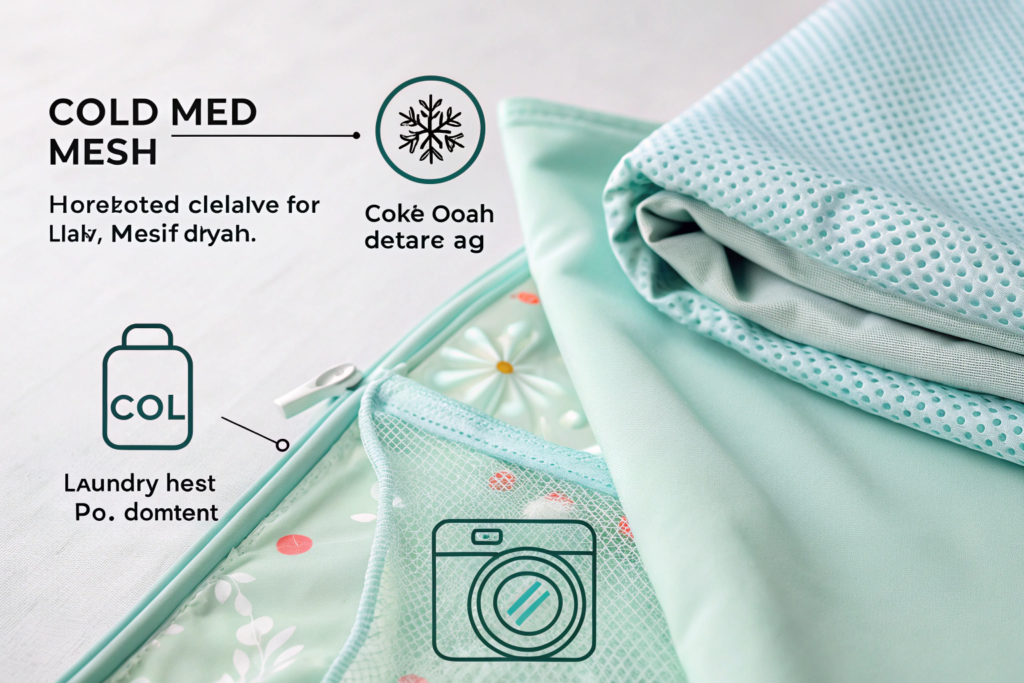
Always follow the specific garment’s care label first. As a general rule: Machine wash cold on a gentle/delicate cycle, inside out, in a mesh laundry bag. Use a mild detergent. Avoid fabric softeners, as they can coat the fibers and reduce breathability. Tumble dry low or, ideally, line dry away from direct sunlight to prevent fading. Iron on a low to medium heat setting while the garment is still slightly damp, or use a steam function. Never use bleach or high heat.
What happens if cupro is washed or dried incorrectly?
High heat and harsh mechanical action are cupro’s enemies. Incorrect care can lead to:
- Shrinkage: Excessive heat in washing or drying can cause significant and irreversible shrinkage.
- Loss of Strength: Agitation while wet can break the fibers, leading to tears or thinning areas.
- Damage to Finish: High heat can scorch or yellow the fabric and destroy any special functional finishes.
This is why educating your production team is as important as educating the end consumer. At Shanghai Fumao, when we supply cupro to garment factories, we always provide a technical data sheet that includes optimal washing parameters for pre-treatment and finishing. This step in the supply chain is often overlooked but vital for quality assurance.
Is cupro biodegradable and what is its end-of-life?
Yes, as a regenerated cellulose fiber, cupro is inherently biodegradable under the right conditions (like in industrial composting facilities). This is a major advantage over petroleum-based synthetics like polyester, which can linger for centuries. However, its biodegradability can be affected by chemical dyes and finishes applied to it. For the most circular approach, look for cupro dyed with low-impact or natural dyes. This completes its story as a responsible material choice, from a waste-based beginning to a gentle end-of-life. It’s a fabric that truly aligns with a circular economy model, which is why forward-thinking brands are integrating it into their core collections.
Conclusion
Cupro fabric stands as a brilliant testament to innovation in textile science, elegantly bridging the gap between luxurious desire and ethical responsibility. By transforming cotton waste into a filament that rivals silk in drape, sheen, and feel, it offers a compelling, vegan alternative for the conscious consumer. Its strengths—breathability, vibrant dyeability, and biodegradability—make it a versatile and sustainable choice for modern fashion.
However, its true value is unlocked through partnership with knowledgeable suppliers who prioritize closed-loop production and provide clear technical guidance for care and handling. It’s a fabric that demands a bit more understanding but repays that investment with exceptional aesthetic and ethical dividends.
If you’re intrigued by the potential of cupro for your next collection and want to explore its possibilities with a partner who understands its intricacies from linter to finished garment, we should talk. Contact our Business Director, Elaine, at elaine@fumaoclothing.com to discuss sourcing high-quality, responsibly produced cupro. At Shanghai Fumao, we’re passionate about connecting you with the advanced materials that will define the future of luxury fashion.