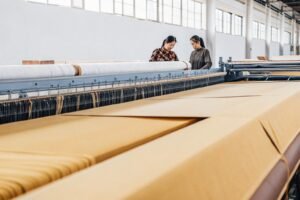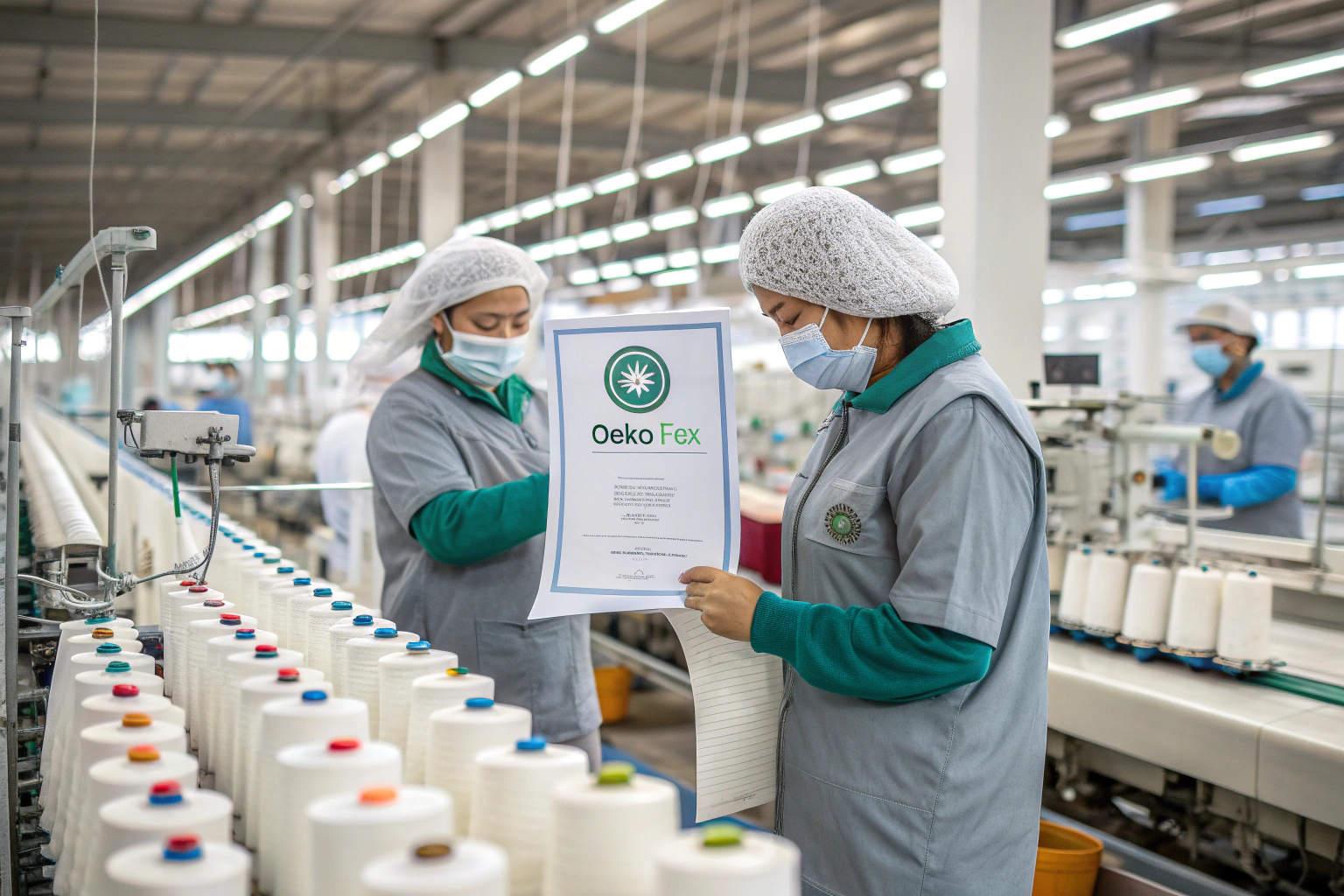
When you hear "ethical production," you likely think of fair wages and safe working conditions. When you see the OEKO-TEX® label, you think of product safety. These concepts seem separate. But what if the decision to use harmful chemicals in a factory also represents a profound ethical failure? What if the safety of the worker making your clothes is intrinsically tied to the safety of the clothes themselves?
Ethical production and OEKO-TEX® certification are fundamentally linked because both prioritize the prevention of harm. OEKO-TEX® certification, specifically through standards like STeP by OEKO-TEX®, provides a concrete framework that extends ethical responsibility beyond social audits to include environmental management and, crucially, occupational health and safety—ensuring that safe materials protect not only the end-consumer but also the workers who handle them daily.
This connection is not theoretical; it’s operational. Let’s examine how a commitment to certified material safety enforces ethical practices on the factory floor, creates transparency, and builds a holistic responsible supply chain that aligns with modern consumer values.
How Does Chemical Safety Protect Garment Workers’ Health?
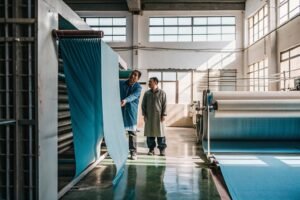
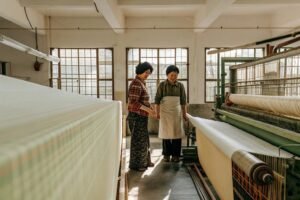
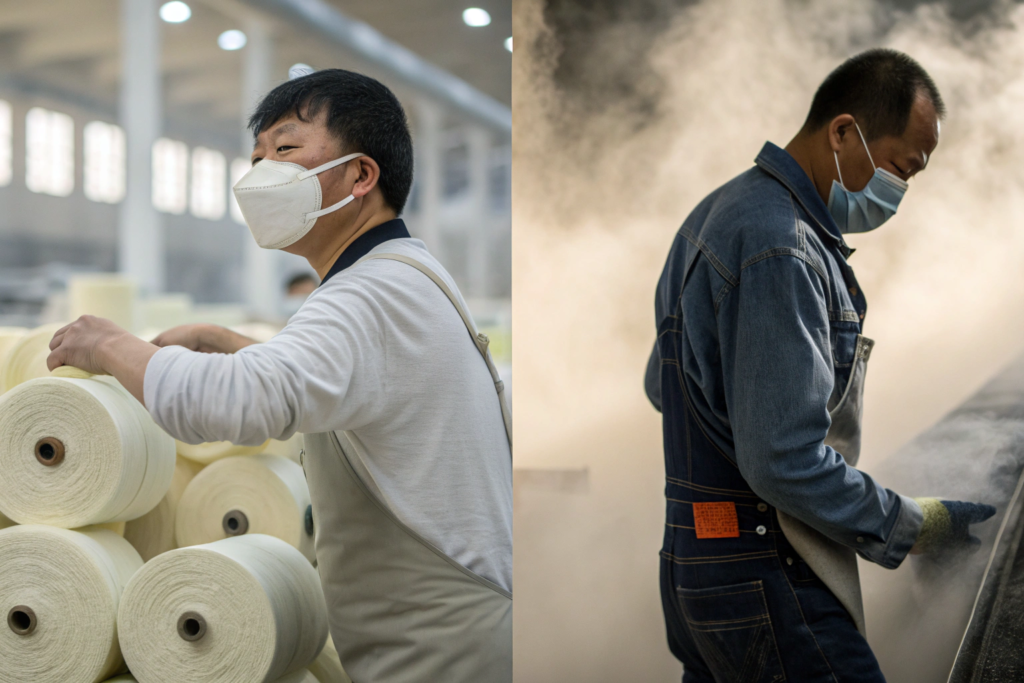
The ethical mandate to provide a safe workplace is clear. Yet, in many uncertified factories, workers are exposed daily to airborne dust from untreated fabrics, skin contact with allergenic dyes, and fumes from chemical finishes. These are invisible hazards that cause long-term health issues, turning the production floor into a health risk zone.
OEKO-TEX® certification protects garment workers by mandating the use of materials verified to be low in harmful substances. This reduces workers’ exposure to toxic chemicals during cutting, sewing, and finishing processes. When a factory sources OEKO-TEX® STANDARD 100 certified fabrics and dyes, it is proactively eliminating a major source of occupational health risk, making the "safe workplace" promise tangible and verifiable.
The link is direct: the chemicals restricted for consumer safety are often the same ones that pose inhalation and dermal hazards for workers. Certification enforces control at the source.
What specific worker hazards do OEKO-TEX® restrictions address?
The standard limits substances like:
- Formaldehyde: Used in anti-wrinkle finishes. Its release during fabric steaming or ironing can cause respiratory irritation and is a known human carcinogen with prolonged exposure.
- Heavy Metals (e.g., Cadmium, Lead): Present in some dyes and pigments. Dust inhalation during cutting can lead to systemic toxicity.
- Allergenic Disperse Dyes & Azo Dyes: Skin contact during handling and sewing can cause severe dermatitis.
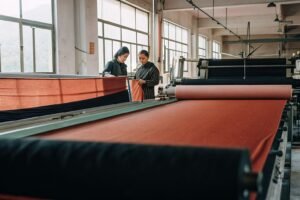
At Shanghai Fumao, our shift to OEKO-TEX® certified materials was part of a broader occupational health upgrade. We tracked a 60% reduction in reports of skin irritation and respiratory complaints among our cutting and sewing teams within a year of switching to certified, low-formaldehyde shirting fabrics for a major client’s order.
How does this create a more ethical and stable workforce?
Reducing work-related illness lowers absenteeism and staff turnover. Healthy workers are more productive and engaged. For a sportswear brand that prioritized ethical manufacturing, our OEKO-TEX® material compliance was a key data point in their supplier assessment. They knew that by choosing our factory, they were indirectly supporting a safer workplace, which aligned with their published Corporate Social Responsibility (CSR) goals. This holistic value helped secure a long-term partnership.
Does OEKO-TEX® STeP Certification Cover Social Responsibility?
While the familiar STANDARD 100 label focuses on product chemistry, OEKO-TEX® offers another standard called STeP (Sustainable Textile & Leather Production). This is where the link between product safety and comprehensive ethical production becomes explicit and systematized.
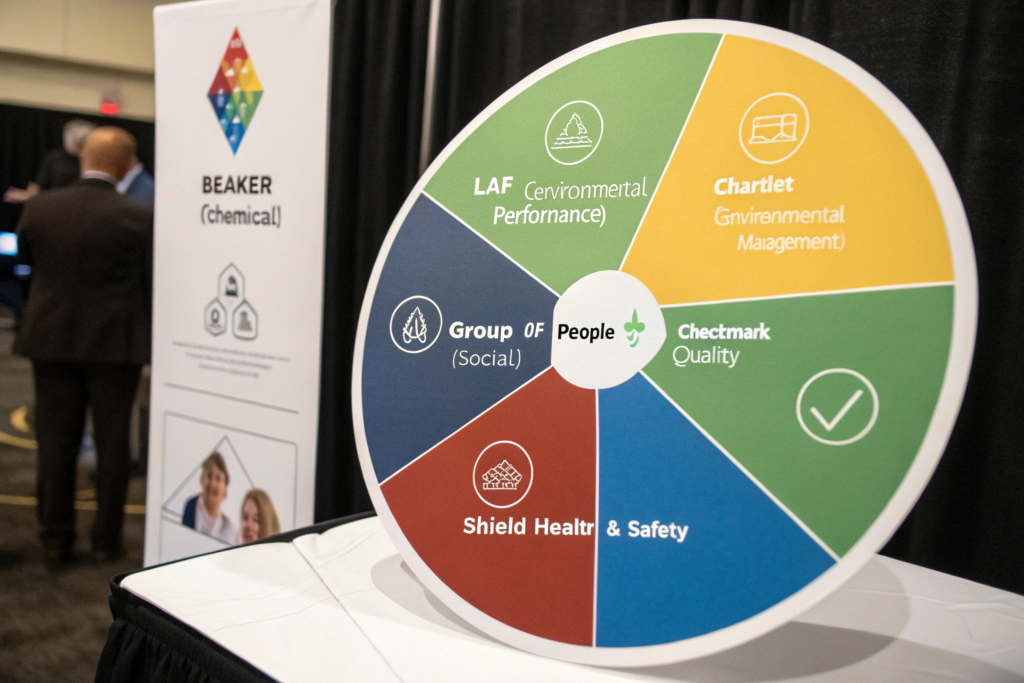
Yes, OEKO-TEX® STeP certification directly covers social responsibility. It is a modular certification system that audits and scores factories across six areas: Chemical Management, Environmental Performance, Environmental Management, Social Responsibility, Quality Management, and Health & Safety. Social Responsibility encompasses fair working conditions, wages, and the prohibition of child and forced labor, making it a powerful tool for ethical sourcing.
STeP bridges the gap. It recognizes that a factory polluting its local water with toxic dyes is also likely cutting corners on worker welfare. It demands improvement in all areas.
What social criteria are evaluated in a STeP audit?
The Social Responsibility module assesses:
- Employment Practices: Fair hiring, contracts, and termination procedures.
- Working Hours & Wages: Compliance with local laws and industry standards.
- Freedom of Association & Collective Bargaining.
- Prohibition of Child Labor & Forced Labor.
- Social Benefits & Grievance Mechanisms.
The audit involves document reviews, interviews with management and workers, and on-site observations. This provides a more dynamic picture than a paper-based policy check.
How do Chemical Management and Social Responsibility interact in STeP?
They are interconnected modules. A high score in Chemical Management—proven by using OEKO-TEX® certified materials and having safe storage/handling procedures—directly supports a high score in Health & Safety and demonstrates management’s commitment to systemic responsibility. For a European brand conducting a supplier audit at our facility, our STeP certification report provided immediate, credible answers to 80% of their ethical questionnaire, streamlining the due diligence process and building immense trust.
How Does This Combined Approach Mitigate Brand Risk?
For a brand, ethical risks and product safety risks are two sides of the same coin. A scandal over factory conditions can destroy brand equity just as fast as a product recall over toxic chemicals. Managing these risks separately is inefficient and leaves gaps.
A combined approach that sources from OEKO-TEX® certified manufacturers (especially STeP certified) mitigates brand risk holistically. It provides a unified shield against both reputational crises stemming from poor social practices and liability crises stemming from product harm. It signals to consumers, investors, and regulators that your due diligence is integrated, sophisticated, and backed by independent verification.
In today’s connected world, a supply chain failure in any category can go viral. An integrated certification offers integrated protection.

Can this approach prevent supply chain disruptions?
Absolutely. Factories with poor chemical management are more likely to face environmental shutdowns or labor disputes. STeP-certified facilities, by adhering to structured management systems, operate more stably. In 2023, a client’s order with a non-certified factory in another region was halted for a month due to an environmental inspection over illegal wastewater discharge. Our client then moved production to Shanghai Fumao. Our STeP certification, with its certified wastewater management track record, gave them confidence in our operational continuity, securing their on-time delivery for future seasons.
How does it simplify compliance with evolving regulations?
Laws are expanding beyond social audits to include environmental and chemical due diligence (e.g., the EU’s Corporate Sustainability Due Diligence Directive (CSDDD)). A STeP certification report is a pre-compiled dossier of compliance data across all these areas. Instead of responding to multiple audits, brands can reference this single, comprehensive report. This saves time and reduces the administrative burden of proving ethical and sustainable practices.
What Should a Brand Look for to Verify This Link?
Understanding the link is one thing; verifying it in your supply chain is another. Brands must move from passive acceptance of certificates to active verification of how these standards translate into real-world conditions for workers and products.
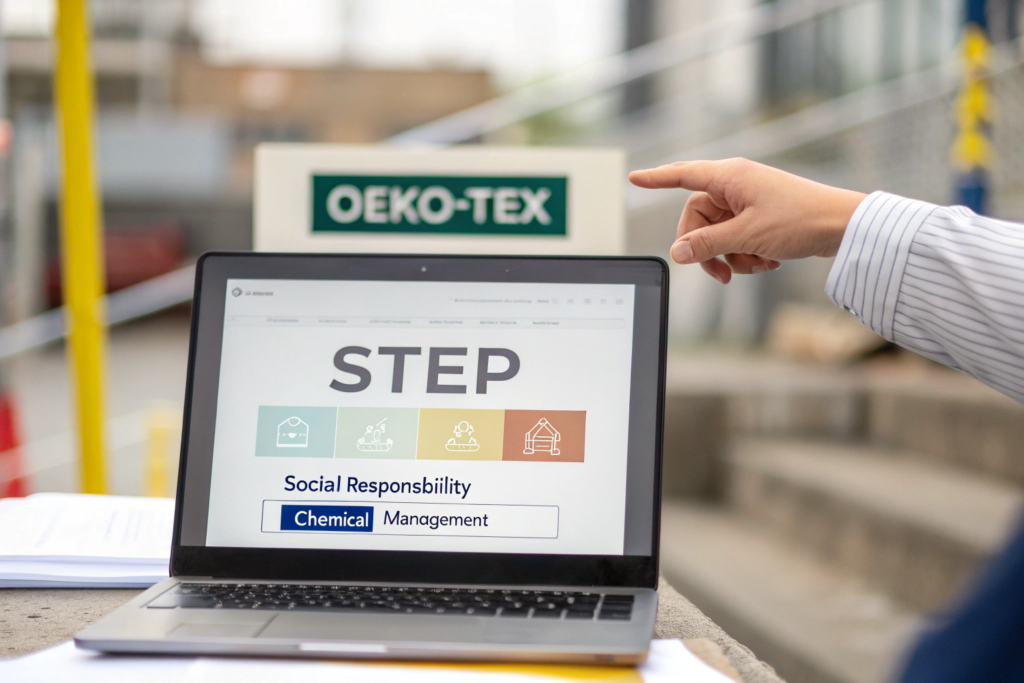
To verify the link between ethical production and OEKO-TEX®, a brand should look for OEKO-TEX® STeP certification for the manufacturing facility, paired with STANDARD 100 certification for the products. They should review the publicly available STeP score and request access to the detailed report, paying close attention to the scores in Chemical Management, Health & Safety, and Social Responsibility modules.
The STeP scoring system (from 1 to 3, with 3 being best) provides a clear, at-a-glance assessment. It’s a transparent starting point for deeper dialogue.
How do I interpret a STeP certificate and score?
When you look up a factory in the OEKO-TEX® database, you will see its overall score and individual module scores. Ask:
- Is the overall score at Level 3 or high Level 2? This indicates leading performance.
- Are the Chemical Management and Health & Safety scores strong? This confirms the worker safety link.
- Is the Social Responsibility score acceptable? This covers the traditional ethical benchmarks.
A factory with high chemical scores but low social scores is failing the ethical test. The ideal partner shows balance. We encourage potential clients to review our Fumao Clothing STeP scores and then schedule a virtual tour to see the practices behind the numbers.
What questions should I ask my supplier about their ethical and chemical management?
Go beyond the certificate. Ask:
- "How does your purchase of OEKO-TEX® certified materials influence your worker safety training and PPE requirements?"
- "Can you share an example of a change you made in the production process to improve worker safety based on chemical restrictions?"
- "How are workers informed about the materials they are handling?"
Their answers will reveal if the certification is a integrated management tool or just a marketing document. Our team regularly holds briefings with line workers to explain why certain certified materials are safer for them to handle, fostering a culture of shared responsibility.
Conclusion
The link between ethical production and OEKO-TEX® certification is robust and operational. It is rooted in the fundamental principle of preventing harm—harm to the consumer through unsafe products, and harm to the worker through unsafe working conditions. OEKO-TEX® standards, particularly the integrated STeP system, provide a credible, verifiable framework for brands to build a truly responsible supply chain that addresses these interconnected risks simultaneously.
Choosing a manufacturing partner like Shanghai Fumao, which is committed to both product safety (STANDARD 100) and sustainable, ethical production practices (STeP), is no longer a niche choice but a strategic imperative for future-proof brands. It ensures that your quality is humane and your ethics are tangible.
If you are ready to build a brand that stands for comprehensive responsibility, let’s connect. At Shanghai Fumao, our OEKO-TEX® and STeP commitments are the bedrock of our operations, ensuring that every garment we produce is a product of integrity—for the wearer and the maker. Contact our Business Director, Elaine, to discuss a partnership built on verified trust. Email: elaine@fumaoclothing.com.