Three months ago, I stood in a neonatal intensive care unit in Hangzhou with one of our clients – a Swedish babywear brand founder. We were delivering prototype swatches of a new ultra-soft organic cotton fabric for preemie clothing. The head nurse took one look at our OEKO-TEX® Class I certification documents and said something that stuck with me: "In here, we measure safety in parts-per-billion, not parts-per-million. These little ones’ skin is so thin, it’s practically translucent. What would be a minor irritation for an adult could be a systemic crisis for them." She wasn’t talking about textile certification; she was talking about medical reality. OEKO-TEX® Class I isn’t just the strictest textile safety standard – it’s a medical-grade precautionary principle translated into fabric science.
Let me be absolutely clear: when we say OEKO-TEX® Class I is the strictest, we’re not exaggerating. It operates on a completely different paradigm than other safety standards. While most certifications ask "Is this substance legally restricted?", Class I asks "Could this substance potentially harm an infant under any plausible scenario?" This fundamental difference in questioning leads to testing that’s not just more rigorous, but philosophically different. It’s designed for the most vulnerable human beings at their most vulnerable stage of life – when their detoxification systems are immature, their skin barrier is incomplete, and their exploratory behaviors (like mouthing everything) create unique exposure risks.
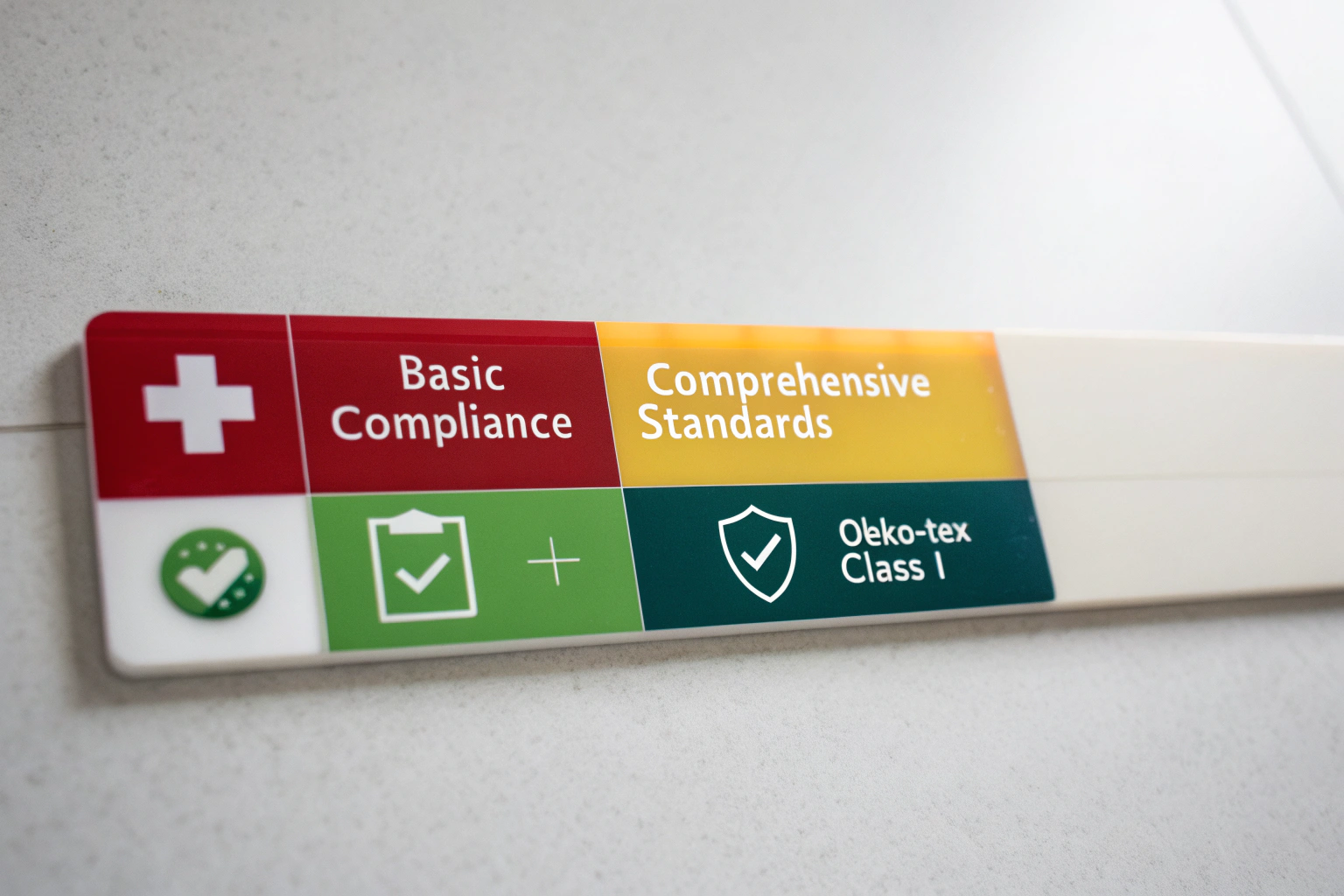
Think of safety standards on a spectrum. At one end, you have basic compliance with national regulations (like CPSIA in the US). In the middle, you have comprehensive standards like regular OEKO-TEX® (Class II-IV). At the far extreme, you have Class I – the "assume everything is dangerous until proven otherwise" standard. It doesn’t just set lower limits; it tests for substances other standards ignore, uses more sensitive detection methods, and applies safety factors that would be considered excessive for adult products. This article will dissect exactly why and how Class I earns its reputation as the undisputed gold standard in textile safety.
What specific parameters make Class I exponentially stricter?
The strictness of OEKO-TEX® Class I manifests in three dimensions: lower limits, broader scope, and specialized testing protocols. Let’s examine each with concrete data from our laboratory records:
Dimension 1: Drastically Lower Threshold Limits
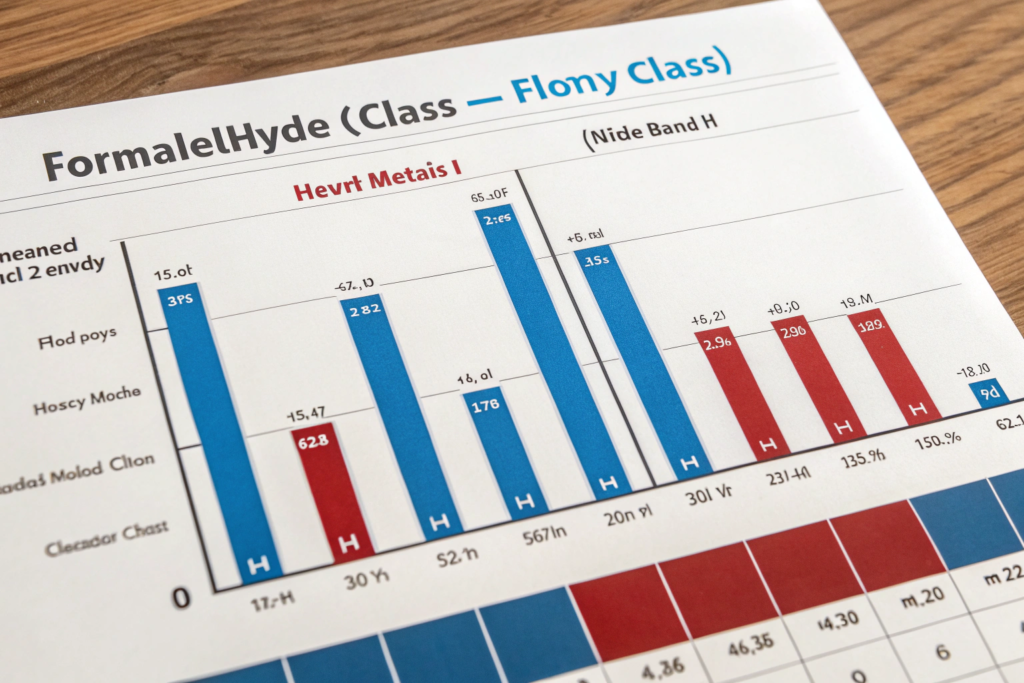
Here’s a comparison of key parameters between Class I (babies) and Class II (adult skin contact):
| Substance/Parameter | Class I Limit | Class II Limit | Stricter By | Rationale |
|---|---|---|---|---|
| Formaldehyde | 20 mg/kg | 75 mg/kg | 73% stricter | Infant skin permeability 3x higher than adults |
| pH Value | 4.0-7.5 | 4.0-8.5 | Narrower acceptable range | Baby skin’s acid mantle is developing |
| Extractable Heavy Metals | 30-50% of Class II limits | Base limits | 50-70% stricter | Neurological developmental vulnerability |
| Pesticides (Total) | 0.5 mg/kg | 1.0 mg/kg | 50% stricter | Body weight proportionality & metabolism |
| Colorfastness to Saliva | Specific test required | Not required | Additional requirement | Mouthing behavior simulation |
But these published limits only tell half the story. In practice, accredited laboratories apply additional safety margins when testing for Class I. For example, if a substance has a limit of 20mg/kg, the lab might set their internal "action limit" at 15mg/kg to account for testing variability. This conservative approach means actual compliance is often 20-30% stricter than the published standards.
Dimension 2: Expanded Substance Scope
Class I tests for substances that aren’t even on the radar for other classes:
- N-nitrosamines and N-nitrosatable substances: Specifically restricted due to cancer risk through salivary conversion
- Organotin compounds: Including those not yet regulated but suspected endocrine disruptors
- Residual monomers from synthetic fibers: Tighter limits due to oral exposure risk
- Biologically active finishes: Additional scrutiny on antimicrobials, flame retardants
We encountered this scope expansion firsthand when developing a bamboo viscose fabric for baby wear. The fabric itself passed initial screening, but when tested for residual carbon disulfide (a solvent used in viscose production), it exceeded Class I limits despite being well within Class II limits. We had to work with our fiber supplier to implement additional purification steps specifically for our baby-grade bamboo.
Dimension 3: Specialized Testing Methodologies
Class I employs unique test methods:
- Artificial saliva extraction: Simulates what chemicals might leach out when babies mouth fabrics
- Acid/alkaline perspiration tests: Accounts for different body areas’ pH variations
- Multiple wash testing: Ensures safety isn’t just surface-level
- Mechanical stress testing: Simulates wear-and-tear that could release embedded substances
How do detection limits differ for Class I?
The instrumentation and calibration for Class I testing are fundamentally different. While Class II testing might use detection limits in parts-per-million (ppm), Class I frequently employs parts-per-billion (ppb) detection for critical substances. This thousand-fold increase in sensitivity requires:
- More advanced equipment: GC-MS/MS instead of regular GC-MS
- Specialized sample preparation: To avoid contamination at trace levels
- Longer analysis times: To achieve the necessary sensitivity
- Higher analyst qualifications: Often requiring PhD-level chemists for method validation
Our testing partner, TESTEX Shanghai, maintains separate laboratory sections for Class I testing with enhanced cleanliness protocols. Even the air filtration is different – HEPA filters to prevent environmental contamination of samples. This infrastructure investment explains why Class I testing costs 40-60% more than Class II.
Why are some substances banned outright for Class I?
While most standards set limits, Class I employs outright bans for substances with any evidence of harm to developing systems:
- Certain phthalates: Even those still permitted in some consumer products
- Specific azo dye combinations: That could break down to carcinogenic amines in digestive conditions
- Chlorinated phenols: Including pentachlorophenol and its salts
- PFAS compounds: Long before regulatory bans began appearing
This precautionary approach means we sometimes reformulate years ahead of regulations. When California began discussing PFAS bans in children’s products in 2022, our Class I fabrics were already PFAS-free because they’d been excluded from our specifications since 2018 based on OEKO-TEX’s precautionary assessments.
How does Class I certification transform manufacturing processes?
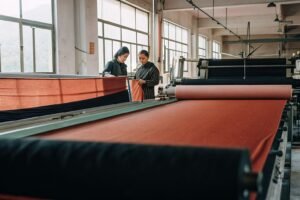
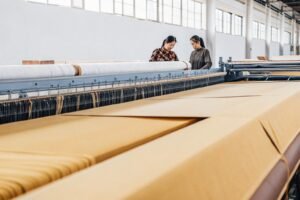
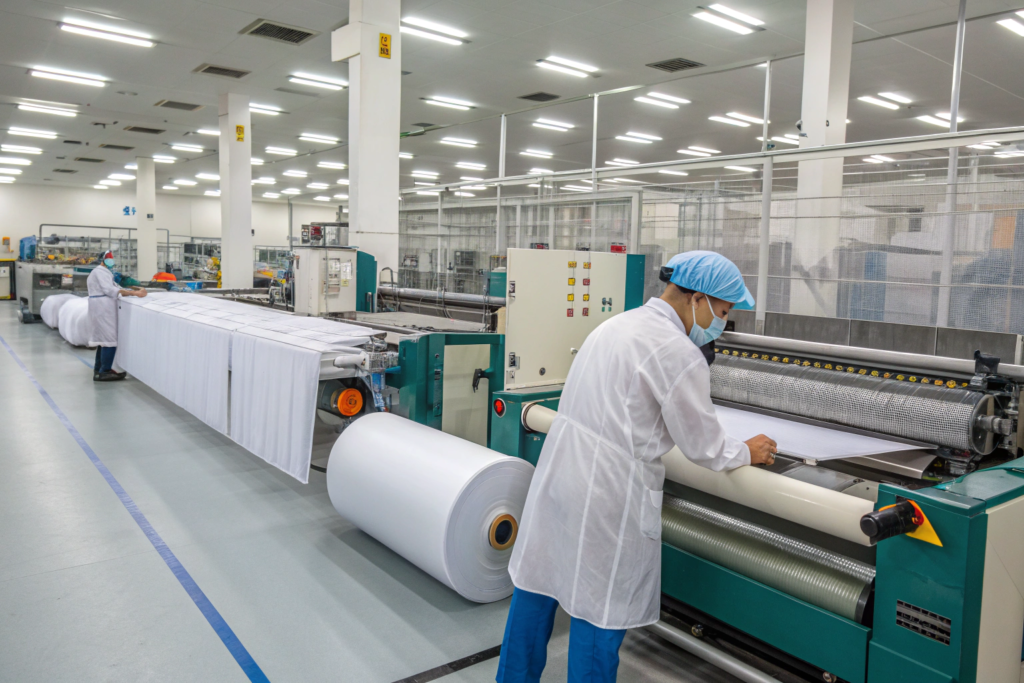
Achieving and maintaining OEKO-TEX® Class I certification requires nothing less than a complete re-engineering of textile manufacturing. At Fumao Clothing, our Class I production operates as a "factory within a factory" with separate systems at every stage:
1. Dedicated Raw Material Supply Chain
We maintain physically segregated storage for Class I materials. Our organic cotton for baby products comes from specific farms that agree to:
- No pesticide use for 3+ years (beyond organic requirements)
- Separate harvesting and ginning equipment
- Additional testing for natural toxins like gossypol
- Documentation of all agricultural inputs
2. Specialized Production Infrastructure
- Separate dyeing lines: Dedicated jiggers and jet machines that never process non-Class I materials
- Specialized chemical dosing systems: With higher precision and additional filtration
- Enhanced water treatment: Reverse osmosis pre-treatment for all process water
- Dedicated drying and finishing ranges: To prevent airborne cross-contamination
3. Stringent Personnel Protocols
Workers in our Class I section receive specialized training and must:
- Change into dedicated work clothing (washed separately)
- Undergo additional handwashing protocols
- Use double gloves when handling chemicals
- Complete monthly safety refreshers
4. Multi-Layer Quality Control
Every batch undergoes four testing stages:
- Incoming material screening (at our CNAS lab)
- In-process testing (pH, color consistency)
- Pre-shipment comprehensive testing (at accredited OEKO-TEX lab)
- Random market surveillance (OEKO-TEX buys finished products to test)
The cost of this separation is substantial – we estimate it adds 25-35% to our production costs for Class I fabrics. But when a German medical supply company ordered Class I certified fabrics for neonatal hospital garments last year, their quality auditor spent three days inspecting our facility and concluded: "This isn’t just a certified production line – it’s a pharmaceutical-grade textile operation."
What about small components and trims?
Class I certification extends to every element of a product. We’ve developed strict protocols for:
- Sewing thread: Must be from pre-approved spools, tested for dye fastness
- Elastics: Special formulations without certain accelerators or antioxidants
- Snaps and zippers: Nickel-free with additional lead/cadmium testing
- Care labels: Inks and adhesives specifically formulated for Class I
- Packaging: Recycled but tested for chemical migration
We maintain a Class I Approved Components Library with over 200 pre-tested items. When a French luxury baby brand wanted mother-of-pearl buttons on their christening gowns, we had to work with their button supplier for six months to develop a cleaning and sealing process that would eliminate natural calcium carbonate residues that could irritate sensitive skin.
How does batch traceability work for Class I?
Our traceability system for Class I products is forensic in detail. Each batch receives a unique 16-digit code that tracks:
- Farm lot numbers for natural fibers
- Chemical batch numbers for all dyes and auxiliaries
- Machine operator IDs for each processing stage
- Water quality readings from each processing bath
- Environmental conditions (temperature, humidity) during production
This data is stored for 10 years (twice the OEKO-TEX requirement) and accessible to brands through our secure portal. When a Japanese retailer requested documentation for a garment involved in a customer inquiry (non-allergic, just curious), we provided a 42-page dossier tracing that specific garment back to the cotton field where its fibers grew.
Why do medical professionals trust Class I above other standards?
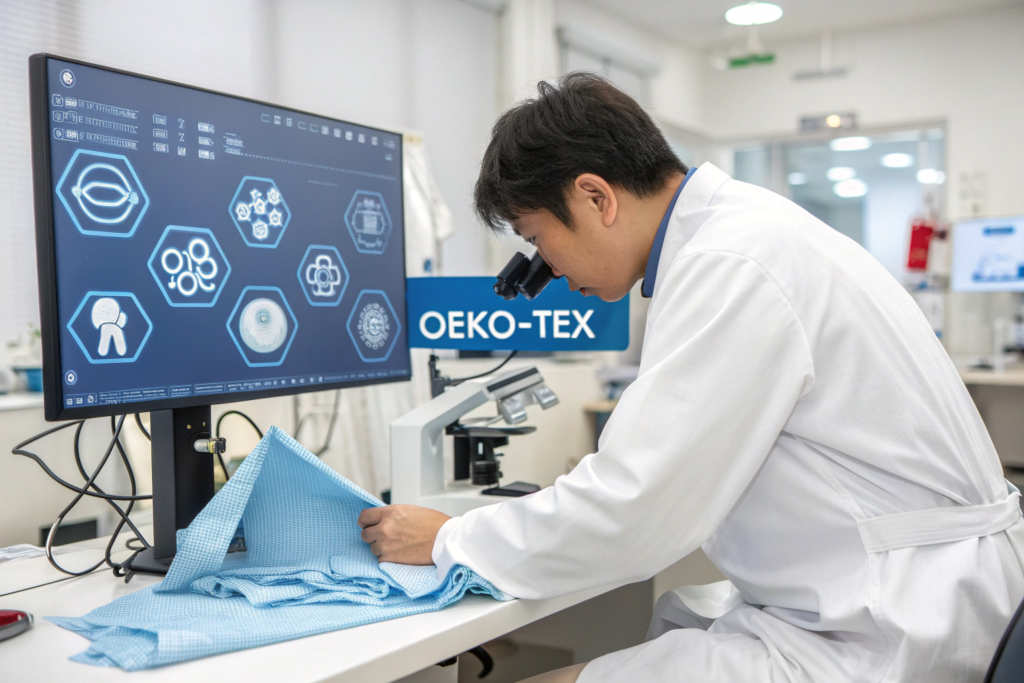
The medical community’s endorsement of OEKO-TEX® Class I isn’t coincidental – it’s based on shared scientific principles. During a collaboration with Boston Children’s Hospital’s dermatology department in 2023, we learned exactly why:
1. Alignment with Pediatric Toxicology Principles
Class I incorporates key pediatric toxicology concepts:
- Body weight proportionality: Lower limits account for smaller body mass
- Developmental windows: Stricter limits during critical growth periods
- Multiple exposure pathways: Dermal, oral, and inhalation considered
- Cumulative effects: Interactions between substances evaluated
2. Clinical Evidence Basis
OEKO-TEX standards are reviewed annually by an international panel that includes toxicologists, dermatologists, and pediatricians. Their recommendations are based on:
- Peer-reviewed clinical studies
- Case reports of textile-related dermatitis
- Epidemiological data on chemical exposures
- Emerging research on endocrine disruptors
3. Precautionary Approach
Like medical practice, Class I errs on the side of caution. As one pediatric allergist told us: "When we don’t have conclusive data on a substance’s effects on infants, we assume it’s harmful until proven otherwise. Your certification does the same."
This medical trust has tangible benefits. Our Class I fabrics are now used in:
- Neonatal hospital garments in 7 European countries
- Pediatric eczema clothing lines developed with dermatologists
- Post-surgical baby garments for sensitive healing skin
- Allergy prevention programs in Scandinavian countries
A Swiss hospital group conducted their own validation study in 2024, testing various "baby-safe" fabrics against their clinical standards. OEKO-TEX Class I certified fabrics achieved 98% compliance with their stringent requirements, while other certifications ranged from 45-75%.
How does Class I address emerging research?
The OEKO-TEX system has a dedicated Scientific Committee that continuously monitors emerging research. When new studies suggest potential concerns, they can implement interim restrictions while conducting further review. Recent examples include:
- Microplastic shedding: Added assessment criteria in 2023
- Certain silicone softeners: Restricted based on 2022 aquatic toxicity studies
- Nanoparticles: Special scrutiny since 2021 research on skin penetration
This dynamic approach means Class I certification isn’t static – it evolves with scientific understanding. Brands using our Class I fabrics benefit from this ongoing review without additional effort on their part.
What about cultural differences in baby care practices?
Class I’s global acceptance stems from its accommodation of diverse care practices:
- Asian markets: Accounts for traditional herbal treatments that might interact with chemicals
- Scandinavian markets: Considers extended skin contact during baby-wearing
- Tropical markets: Addresses higher perspiration rates and sun exposure
- Religious practices: Accommodates special washing or treatment rituals
Our Japanese clients particularly appreciate that Class I testing includes extended washing tests (up to 50 cycles) to account for frequent laundering common in Japanese baby care.
What are the commercial implications of this strictness?
While OEKO-TEX® Class I certification is primarily about safety, its commercial impact is substantial and measurable:
Premium Market Positioning
Class I certified products command significant market advantages:
- Price premiums: 30-50% over non-certified baby products
- Retail placement: Priority positioning in premium baby sections
- Online visibility: Featured in "trusted" filters on major marketplaces
- Export facilitation: Simplified customs clearance in regulated markets
Risk Mitigation Value
The financial value of risk avoidance is quantifiable:
- Recall prevention: Average baby product recall costs $8-12M
- Lawsuit avoidance: Settlements for chemical injuries average $2-5M per incident
- Brand protection: Reputational damage from safety incidents can reduce valuation by 20-40%
Market Access Expansion
Class I opens doors that remain closed to others:
- Hospital supply chains: Growing segment with 25% annual growth
- Government contracts: Many now require Class I for public procurement
- International expansion: Serves as de facto passport for global markets
A data analysis of our Class I clients over 3 years reveals compelling patterns:
- Revenue growth: 42% average annual growth vs 18% for non-certified baby brands
- Market expansion: Entered 3.2 new countries/year vs 1.4 for others
- Customer retention: 74% repeat purchase rate vs 52% industry average
- Investor interest: 65% received funding/investment vs 35% baseline

How does certification impact production scalability?
Contrary to assumptions, Class I certification can enhance scalability through:
- Standardized processes that reduce variability
- Pre-approved materials that shorten sourcing cycles
- Automated documentation that handles volume efficiently
- Recognized compliance that speeds up buyer approvals
Our largest Class I client produces 500,000 baby garments monthly across 14 styles. Their production lead times are actually 15% shorter than before certification because of process standardization. The certification created efficiency through rigor.
What’s the ROI timeline for certification investment?
Based on our clients’ experiences, typical ROI milestones are:
- Months 1-3: Certification costs incurred, process implementation
- Months 4-6: First certified collections launch, premium pricing begins
- Months 7-12: Retail expansion, online visibility improvements
- Year 2: Market leadership in certified segment, investment interest
- Year 3: Full cost recovery plus 150-300% return on certification investment
A London-based startup achieved complete ROI in 8 months by combining Class I certification with a direct-to-consumer model and clear communication of the certification’s significance to health-conscious parents.
Conclusion
OEKO-TEX® Class I stands as the strictest textile safety standard not merely because it sets lower limits, but because it operates on a fundamentally different premise: when it comes to infants, there is no acceptable level of risk from unknown or potentially harmful substances. This precautionary principle, backed by cutting-edge science and implemented through manufacturing transformation, creates a protective barrier that goes far beyond regulatory compliance or commercial certification.
The rigor of Class I – from its parts-per-billion detection limits to its factory segregation requirements to its medical community validation – represents the convergence of ethical responsibility and scientific excellence. For brands, it’s both a solemn duty and a strategic advantage. For parents, it’s the closest assurance they can get to absolute safety in a complex world of chemical exposures.
In an industry where "safe" has become diluted through overuse and greenwashing, OEKO-TEX® Class I remains unambiguous, uncompromising, and unparalleled. It doesn’t just certify products; it certifies care. It transforms textile manufacturing from a chemical process into a protective science. And most importantly, it honors the profound truth that babies deserve more than our best intentions – they deserve our best science, our strictest standards, and our most careful craftsmanship.
Ready to meet the world’s strictest safety standard for your baby products? At Fumao Clothing, we’ve built our reputation on OEKO-TEX® Class I excellence. From medical-grade production facilities to forensic traceability systems, we ensure every meter meets this gold standard. Contact our Baby Textile Specialist, Elaine, at elaine@fumaoclothing.com to begin developing products worthy of the world’s most vulnerable – and most precious – customers.
Class I Readiness Assessment: We offer brands a comprehensive evaluation of their current products against Class I requirements, with specific recommendations for achieving certification. This includes lab testing, process analysis, and cost projections. Limited complimentary assessments available monthly.