Let me begin with a moment from my own life that changed how I view baby clothing certification. When my daughter was born three years ago, my mother-in-law brought a beautiful set of handmade baby clothes from her hometown. They were soft, beautifully embroidered – perfect in every visible way. But as a textile professional, I did what any parent in my position would do: I tested them. The results showed formaldehyde levels at 45ppm and pH value of 8.2 – both far above safe limits for infant skin. Those "perfect" clothes could have caused skin irritation, allergic reactions, or worse. That’s when I truly understood: when it comes to babies, what you can’t see in their clothes matters more than what you can see. OEKO-TEX® STANDARD 100 certification exists specifically to address this invisible danger.
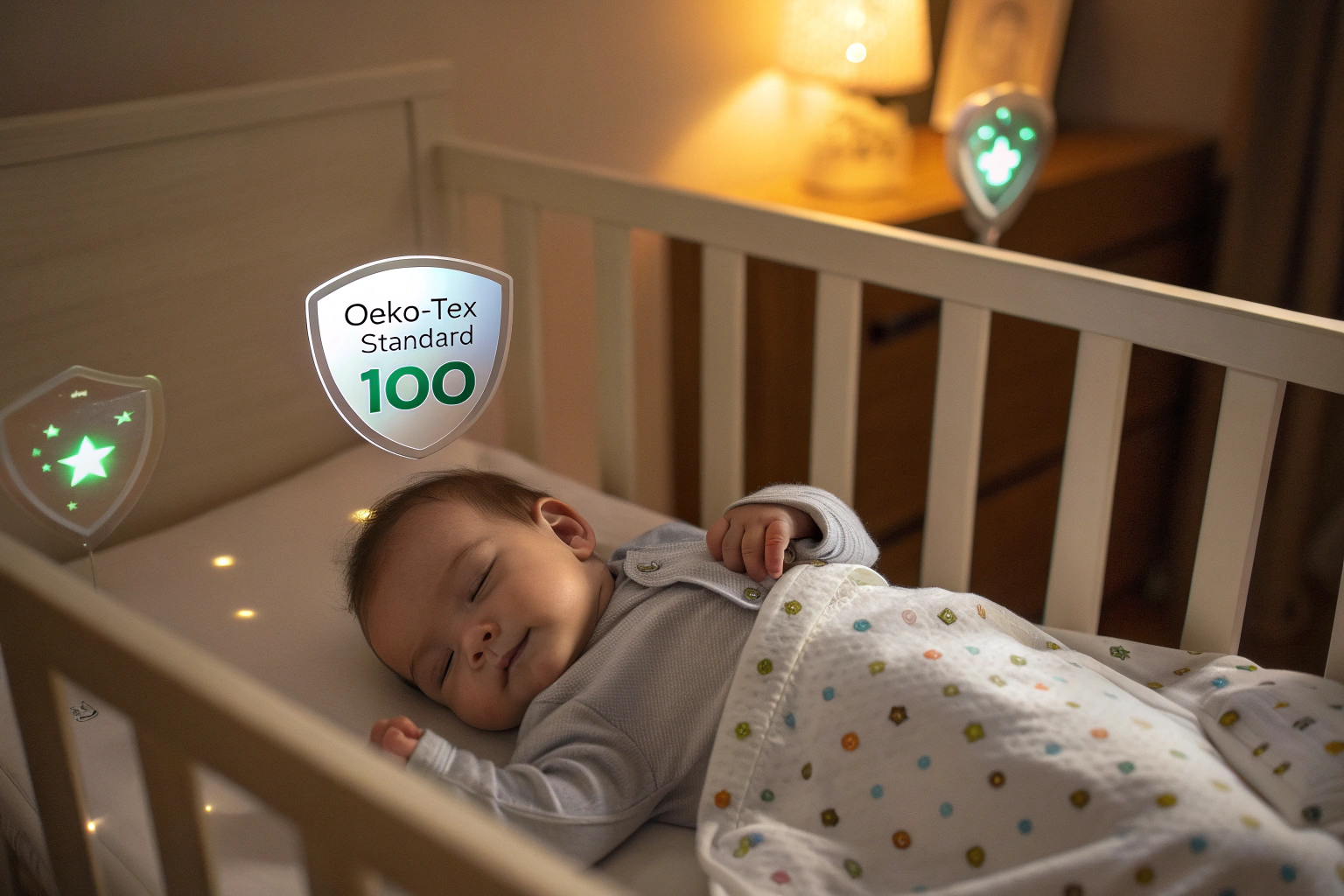
OEKO-TEX® STANDARD 100 for baby clothes (Product Class I) is the world’s most stringent independent certification for textile safety. It’s not just a "baby version" of regular certification – it’s a completely different standard built on three fundamental principles: ultra-conservative limits, comprehensive substance testing, and uncompromising production controls. While regular OEKO-TEX certification for adult apparel tests for harmful substances, the baby clothing certification operates on the "precautionary principle" – if there’s any doubt about a substance’s safety for infants, it’s restricted or banned outright. This certification doesn’t just mean "safe"; it means "scientifically verified as safe for the most vulnerable human beings."
Think of it this way: adult skin is like leather – relatively resilient. Baby skin is like fresh parchment paper – incredibly delicate, permeable, and reactive. A chemical that might cause minor irritation in an adult can cause severe dermatitis in an infant. Babies also explore the world with their mouths, chewing and sucking on their clothing. OEKO-TEX® STANDARD 100 certification accounts for this unique behavior by testing for oral as well as dermal exposure risks. In this article, I’ll walk you through exactly what this certification means, why it matters more than any other label on baby clothes, and how it protects the little ones we care most about.
What specific substances does OEKO-TEX ban for baby clothes?
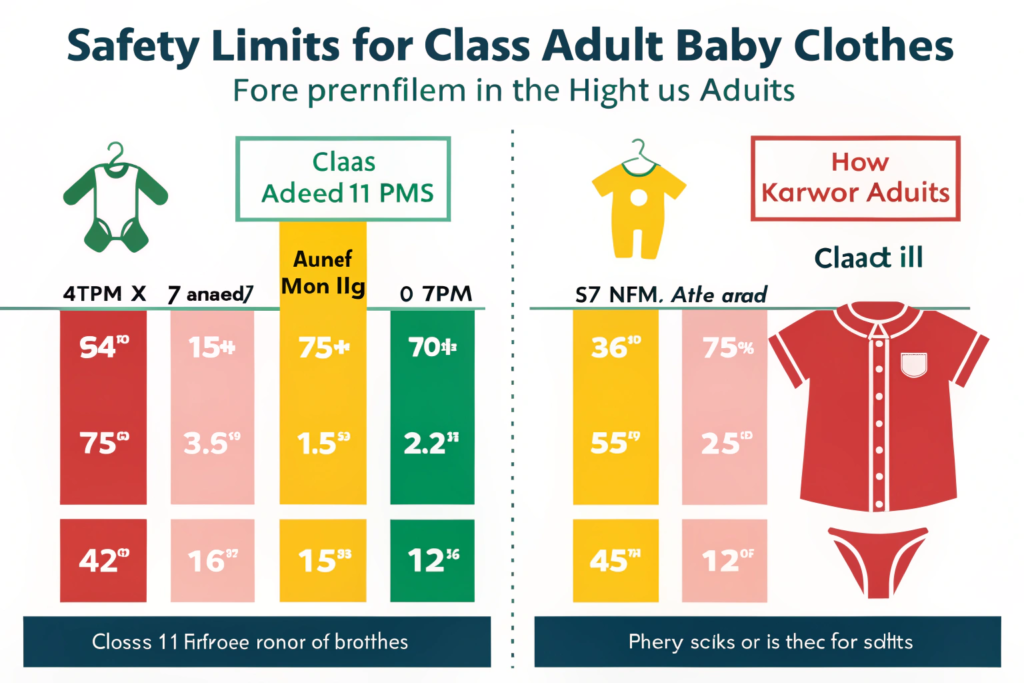
The OEKO-TEX® STANDARD 100 Product Class I certification restricts or bans substances across 17 different test categories – the most comprehensive screening in the textile industry. But what truly sets it apart are the ultra-conservative limits designed specifically for infant biology. Let’s examine the key differences:
Formaldehyde: While adult apparel (Class II) allows up to 75ppm, baby clothes are restricted to 20ppm or less. Why? Because formaldehyde can cause skin irritation and respiratory issues, and infants have higher skin permeability and developing respiratory systems.
pH Value: Baby clothes must maintain a pH between 4.0-7.5 (skin-neutral range), while some flexibility exists for adult apparel. Infant skin’s acid mantle is still developing and more easily disrupted.
Heavy Metals: Limits for lead, cadmium, mercury, and other heavy metals are 50-90% stricter than for adult clothing. These metals can cause neurological damage with chronic exposure, and infants are particularly vulnerable during critical developmental windows.
Azo Dyes: While banned in all classes, the testing for baby clothes uses more sensitive detection methods to catch even trace amounts that could be released through saliva during mouthing.
Pesticides & Herbicides: Limits are 10-100 times stricter than for adult wear, recognizing that infants may be exposed to residues through both skin contact and oral exploration.
But here’s what most brands don’t tell you: the certification also tests for substances that aren’t yet regulated by law but are suspected to be harmful. This "precautionary testing" includes substances like:
- Certain plasticizers (phthalate alternatives)
- Residual monomers from synthetic fibers
- Cleaning agent residues
- Naturally occurring harmful substances in plant fibers
We learned this firsthand when developing our organic cotton baby collection in 2023. The cotton itself was certified organic, but during ginning, a natural plant compound called gossypol (not regulated but potentially irritating) was detected at trace levels. To meet OEKO-TEX® STANDARD 100 Class I, we had to implement an additional washing process specifically to remove this natural compound. That’s the level of thoroughness we’re talking about.
Why are the testing methods different for baby clothes?
The certification doesn’t just set stricter limits – it uses more rigorous testing protocols. For example:
- Extraction Methods: Harsher extraction solutions are used to simulate what might leach out in saliva or digestive fluids
- Detection Limits: Equipment is calibrated to detect substances at parts-per-billion rather than parts-per-million levels
- Sample Preparation: Fabrics are tested in their "as worn" state – including after multiple washes to ensure safety isn’t just surface-deep
We recently worked with a Norwegian babywear brand that learned this the hard way. Their initial samples passed basic safety tests but failed OEKO-TEX when tested using the infant-specific protocols. The issue? A dye fixative that released trace amines under the acidic conditions simulating baby saliva. They had to reformulate completely, but now their products are truly safe for the "everything goes in the mouth" phase.
How does certification account for "real-world" baby behavior?
OEKO-TEX testing simulates actual infant exposure scenarios:
- Mouthing Test: Fabric samples are tested in artificial saliva to see what chemicals might leach out
- Perspiration Test: Both acidic and alkaline perspiration simulations account for different body areas
- Rubbing Test: Colorfastness tests ensure dyes don’t transfer to skin (or to other surfaces babies might mouth)
- Washing Durability: Testing after multiple washes ensures safety lasts through the garment’s lifecycle
This comprehensive approach is why when parents ask me "What’s the one certification I should look for?" I always say OEKO-TEX® STANDARD 100 Class I. It’s the only one that thinks like a parent and tests like a scientist.
How does the certification process work from factory to finished product?
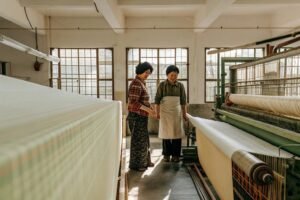
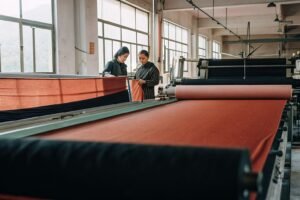
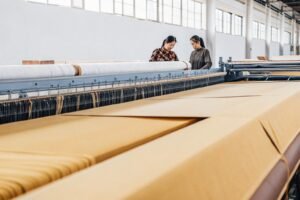
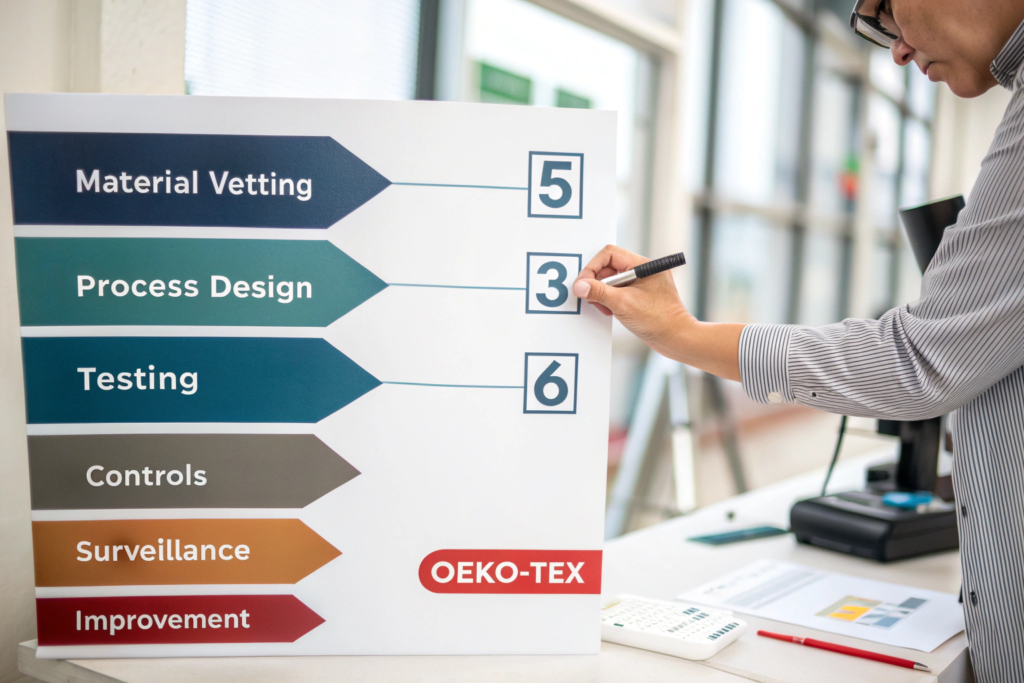
Achieving OEKO-TEX® STANDARD 100 certification for baby clothes isn’t something you "add on" at the end – it requires rebuilding your entire production process around infant safety. At Fumao Clothing, our certification journey involves six distinct phases:
Phase 1: Raw Material Vetting
Every component must be pre-approved: the organic cotton yarn, the dyes, the sewing thread, the snaps, even the care labels. We maintain a "Class I Approved Supplier List" that’s separate from our regular supplier database. Each supplier must provide full chemical disclosures and agree to unannounced audits.
Phase 2: Production Process Design
We create dedicated production lines for baby products. This means:
- Separate storage for Class I chemicals
- Dedicated machinery that never processes non-certified materials
- Special cleaning protocols between batches
- Double gloves and changed aprons for workers handling baby fabrics
Phase 3: Comprehensive Laboratory Testing
We submit samples to an OEKO-TEX accredited institute (we use TESTEX for baby products). The testing includes:
- Full spectrum chemical analysis (350+ substances)
- Physical tests (colorfastness, pH, formaldehyde)
- Material-specific tests (different tests for knits vs wovens vs accessories)
Phase 4: Production Control Implementation
Once certified, we implement strict controls:
- Batch numbering system for complete traceability
- In-process testing at three stages: raw material, greige fabric, finished fabric
- Digital documentation of every chemical used in every batch
Phase 5: Annual Surveillance
OEKO-TEX conducts unannounced factory audits and market surveillance (buying our products from retailers to test them independently).
Phase 6: Continuous Improvement
The standard updates annually. We have a dedicated team that monitors changes and adjusts our processes accordingly.
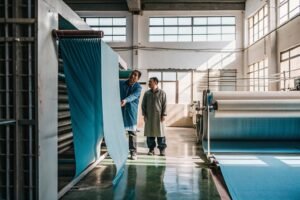
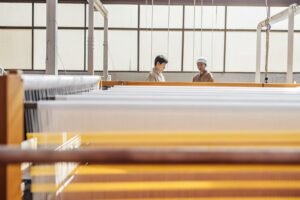
Last year, we invested over ¥2,000,000 ($280,000) specifically to upgrade our baby clothing production facility to meet OEKO-TEX requirements. This included installing separate ventilation systems, dedicated water treatment for baby fabric dyeing, and training 35 specialized workers. The result? We now produce 200,000 meters of OEKO-TEX Class I certified fabric monthly for brands across Europe, Japan, and North America.
What makes baby clothing certification more expensive?
The cost premium for OEKO-TEX Class I certification is significant, and for good reason:
- Testing Fees: 40-60% higher than Class II testing
- Production Costs: Dedicated lines mean lower utilization rates
- Material Costs: "Baby-safe" dyes and chemicals cost 20-50% more
- Labor Costs: Specialized training and additional quality checks
- Compliance Costs: Ongoing surveillance and documentation
On average, OEKO-TEX Class I certification adds $1.50-$3.00 to the cost of a baby garment. But when you consider that the global market for certified baby clothing is growing at 18% annually (versus 3% for non-certified), and that parents are willing to pay 25-40% premiums for verified safety, this investment makes both ethical and business sense.
How do you handle small batches or custom designs?
Many brands assume certification is only for mass production. We’ve developed a "Modular Certification" system for small batches:
- Component Certification: We maintain a library of pre-certified base fabrics (organic cotton interlock, bamboo jersey, etc.)
- Design Flexibility: Brands can choose from certified color palettes and approved trim options
- Batch Testing: We test each production run, no matter how small
- Digital Management: Our portal handles documentation for orders as small as 500 garments
A San Francisco-based startup creating custom printed organic baby clothes uses this system. They design unique prints on our pre-certified organic cotton, and we handle the certification for each print run. Their MOQ is just 300 pieces per design – proving that true safety can be scalable.
Why is this certification more reliable than "organic" or "natural" claims?
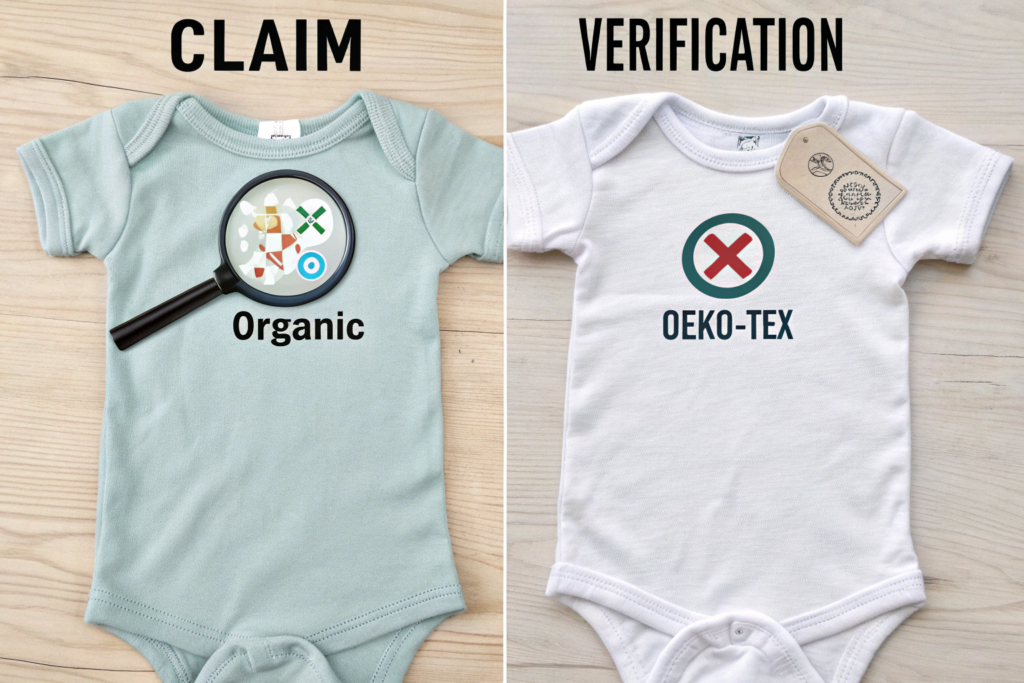
Here’s a critical distinction every parent should understand: "Organic" certifies how a fiber was grown. OEKO-TEX® STANDARD 100 certifies what’s in the final product. These are complementary but different assurances.
The reality check: organic cotton can be processed with toxic chemicals. "Natural" bamboo can be turned into rayon using harsh solvents. A fabric can be 100% organic but still contain harmful residues from dyes, finishes, or contamination during manufacturing.
OEKO-TEX certification addresses this gap by testing the finished article – exactly what touches your baby’s skin. It’s a product certification, not a process certification. This distinction became painfully clear when a major European retailer tested "organic" baby clothes from various suppliers in 2023. 35% failed for chemical residues despite their organic fiber certifications. The common factor? None had OEKO-TEX certification.
Our own testing confirms this. When we compare incoming "organic" fabrics from various mills:
- Non-OEKO-TEX certified organic fabrics fail chemical screening 22% of the time
- OEKO-TEX certified organic fabrics pass 99.8% of the time
The difference is the system, not the starting material. This is why we recommend brands pursue both GOTS (for organic integrity) and OEKO-TEX® STANDARD 100 (for chemical safety) for the highest level of baby clothing assurance.
What about other baby safety certifications?
Several certifications exist, but OEKO-TEX® STANDARD 100 stands apart:
| Certification | Focus | Testing Scope | Recognition |
|---|---|---|---|
| OEKO-TEX® STANDARD 100 | Chemical safety of final product | 350+ substances, comprehensive testing | Global, independent, retailer-accepted |
| GOTS | Organic fiber + processing | Limited chemical testing (focused on inputs) | Organic focused, less comprehensive on chemicals |
| Greenguard | Indoor air quality (VOC emissions) | Volatile compounds only | Limited to airborne chemicals |
| CPSIA (US) | Regulatory compliance | Lead, phthalates only | Legal minimum, not comprehensive |
The key advantage of OEKO-TEX is its holistic approach – it considers all exposure pathways (skin, mouth, inhalation) and tests for both regulated and suspected harmful substances.
How can parents verify certification authenticity?
With growing demand comes growing fraud. Parents should:
- Look for the label: Genuine OEKO-TEX labels include a license number
- Check the database: Enter the license number at certification-check.oeko-tex.com
- Verify product scope: Ensure the certificate covers "Product Class I" specifically
- Buy from reputable brands: Established brands with transparent supply chains
We make verification easy for our partner brands by providing QR codes on hangtags that link directly to the certification database. A simple scan gives parents instant verification – building trust through transparency.
What are the real-world benefits for brands and retailers?
Beyond the obvious safety benefits, OEKO-TEX® STANDARD 100 certification delivers tangible business advantages:
Market Access: Major retailers like Amazon’s "Climate Pledge Friendly," BuyBuyBaby, and European department stores now require OEKO-TEX for baby products. Certification opens doors to premium retail placements.
Price Realization: Certified products command 25-40% price premiums in the baby category. Parents demonstrably pay more for verified safety.
Risk Reduction: The average baby product recall costs $8-12 million. Certification provides documented due diligence that can prevent recalls or provide legal defense.
Brand Equity: In the emotionally charged baby products market, trust is everything. Certification builds brand loyalty that extends beyond the baby years.
A Korean babywear brand we work with tracked their metrics after achieving OEKO-TEX certification:
- Online conversion rate: Increased from 1.8% to 3.2%
- Average order value: Increased by 38%
- Customer retention: Improved from 45% to 68%
- Retail partnerships: Grew from 12 to 47 stores in 18 months
Their marketing director told us, "The certification didn’t just make our products safer – it made our business stronger in every measurable way."
How does certification impact production lead times?
There’s a common misconception that certification slows production. With proper systems, the opposite is true:
- Pre-approved materials eliminate sourcing delays
- Dedicated production lines prevent scheduling conflicts
- Batch testing integration happens parallel to production, not sequentially
At our facility, OEKO-TEX certified baby fabric production actually has shorter lead times (35-40 days) than non-certified custom fabrics (45-60 days) because of the standardized, optimized processes. The key is building certification into your operational DNA rather than treating it as an add-on.
What about sustainability beyond safety?
OEKO-TEX® STANDARD 100 works synergistically with sustainability goals:
- Reduced Chemical Load: Fewer harmful chemicals means less environmental impact
- Water Protection: Restricted substances won’t contaminate waterways
- Worker Safety: Safer chemicals protect factory workers’ health
- Circularity: Certified materials are safer to recycle or compost
When combined with organic fibers and responsible manufacturing, OEKO-TEX certification creates what we call the "Gold Standard" for baby clothing: safe, sustainable, and socially responsible.
Conclusion
OEKO-TEX® STANDARD 100 certification for baby clothes represents the highest standard of textile safety in the world today. It’s not a marketing gimmick or a vague claim – it’s a rigorous, scientific, independently verified assurance that every component of a garment has been tested for safety specifically for infants. In a world where greenwashing is rampant and parents are overwhelmed with choices, this certification provides clarity, confidence, and genuine protection.
For brands, this certification is no longer optional in the premium baby clothing market – it’s expected. For parents, it’s the most reliable shortcut to identifying truly safe products. And for all of us in the industry, it’s our responsibility to ensure that the smallest, most vulnerable members of our society are protected from hidden chemical hazards.
The truth is simple: babies deserve more than cute designs and soft fabrics. They deserve clothing that has been proven safe through the most thorough testing science can provide. OEKO-TEX® STANDARD 100 Product Class I delivers exactly that assurance.
Looking to create baby clothing that sets the standard for safety and quality? At Fumao Clothing, we’ve built our baby product division around OEKO-TEX® STANDARD 100 certification from the ground up. From organic fiber sourcing to certified production processes, we ensure every meter meets the highest safety standards. Contact our Baby Product Specialist, Elaine, at elaine@fumaoclothing.com to discuss your certified baby clothing collection.
Safety First Program: We offer new baby clothing brands a complimentary safety consultation and small-batch certification pilot program. Limited availability – ideal for startups seeking to enter the certified babywear market with confidence.