You know you want safe, certified apparel. You’ve seen the market demand. But a nagging fear holds many brands back: “Won’t using OEKO-TEX® certified fabrics limit my creativity? Will I be stuck with a handful of basic, beige fabrics and lose my brand’s unique identity?” This is the most common misconception we have to shatter at Shanghai Fumao. The reality is the opposite. OEKO-TEX® certification isn’t a cage for your design; it’s a filter for your supply chain that, when navigated with the right partner, unlocks a new tier of quality and trust that you can build your brand upon. Customization isn’t just possible; it’s where the real brand value is created.
You can customize OEKO-TEX® certified apparel with your brand by treating the certification as a foundational quality parameter from the start of the design process, not a final-stage stamp. This involves three key strategies: 1) Co-developing custom fabrics with a certified manufacturer, 2) Applying certified customization techniques (like printing and embroidery) to certified base fabrics, and 3) Weaving the certification story into your brand’s technical and marketing DNA. The constraint of “safe chemistry” becomes the catalyst for innovation, pushing you towards more sophisticated fabric engineering and cleaner production narratives.
Think of it like a master chef working in a top-tier, health-inspected kitchen. The hygiene rules (the certification) don’t limit the menu; they guarantee the integrity of every dish. The chef (your brand) can still create stunning, complex, and unique culinary experiences (your apparel), but with the unshakable confidence that nothing harmful will reach the guest. Your brand’s signature style—be it bold prints, delicate textures, or high-performance features—can and should be expressed within this framework of safety. Let’s map out the practical pathways to do exactly that.
How Do You Develop Custom Certified Fabrics from Scratch?
This is the pinnacle of brand expression: a fabric that is yours alone, and safe by design. It’s not only possible; it’s a process we manage regularly. The key is to start the conversation with your manufacturer at the yarn or fiber stage, not by picking a finished fabric from a generic catalog.
The development flow with a partner like us looks like this:
- Brief & Ideation: You share your vision: “We need a heavyweight, cozy fleece for winter loungewear with a heathered look, made from recycled materials, and it must be OEKO-TEX® Class II.” We don’t hear “restriction”; we hear “specifications.”
- Material Sourcing & Approval: We source OEKO-TEX® compliant raw materials. For the fleece example, we would propose a blend of GRS-certified recycled polyester and organic cotton. The recycled polyester chips and organic cotton yarns themselves come from certified sources, establishing the chain of custody.
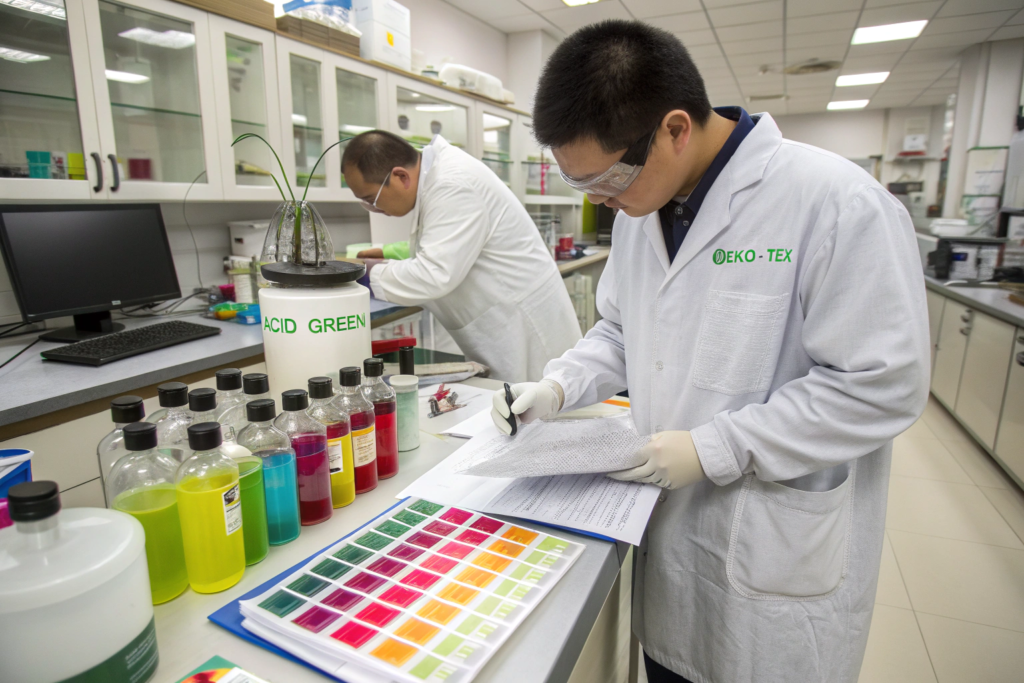
- Lab Dip & Sample Development: Our lab creates preliminary color samples using only dyes from our Approved Chemical List. This stage ensures the color can be achieved within the safety parameters. We once worked with a streetwear brand to match a specific, vibrant “acid green” that was challenging with restricted dye categories. Our chemists reformulated using alternative, approved dyes and achieved a 98% visual match that passed all tests.
- Bulk Production & Certification: Once the fabric sample is approved, we produce a pilot run. This bulk fabric is then sent to an OEKO-TEX® approved testing institute (like Hohenstein or TESTEX) for official certification. Upon passing, it receives a unique certificate number for that specific custom article. This entire process typically takes 6-8 weeks for development and first-time certification.
What about unique weaves, knits, or functional finishes?
The standard covers the chemical safety of the final product, not its physical construction. This is liberating.
- Weaves/Jacquards: We can create custom dobby or jacquard patterns in certified cotton, linen, or Tencel™. The loom is programmable; the certification governs the yarns and dyes used.
- Knits: We can engineer custom knit structures (ribs, ponte, interlock) with specific stretch, weight, and drape using certified yarns.
- Functional Finishes: Moisture-wicking, odor control, UV protection—these can all be added using OEKO-TEX® approved finishing agents. Our R&D lab specializes in bonding safe, functional chemistry to fibers. For example, we use silver salt-based antimicrobials that are permanently fixed and approved, rather than non-compliant triclosan.
For technical inspiration on advanced fabric construction, resources like Textile World feature case studies on innovative weaves and finishes.
How do you manage MOQ for custom certified fabrics?
This is a crucial practical point. The first-time certification cost and fabric development cost are amortized over your bulk order. Therefore, the Minimum Order Quantity (MOQ) for a first-time custom certified fabric is higher—often 2,000-3,000 meters depending on complexity. However, once the fabric is certified, re-orders can be at a lower MOQ (e.g., 1,000 meters) since the certificate is valid for one year and can be applied to subsequent batches from the same production recipe. Strategic brands plan a core custom fabric for their flagship product line, ensuring volume to justify the initial investment.
How Can You Customize with Prints, Embroidery, and Dyes?
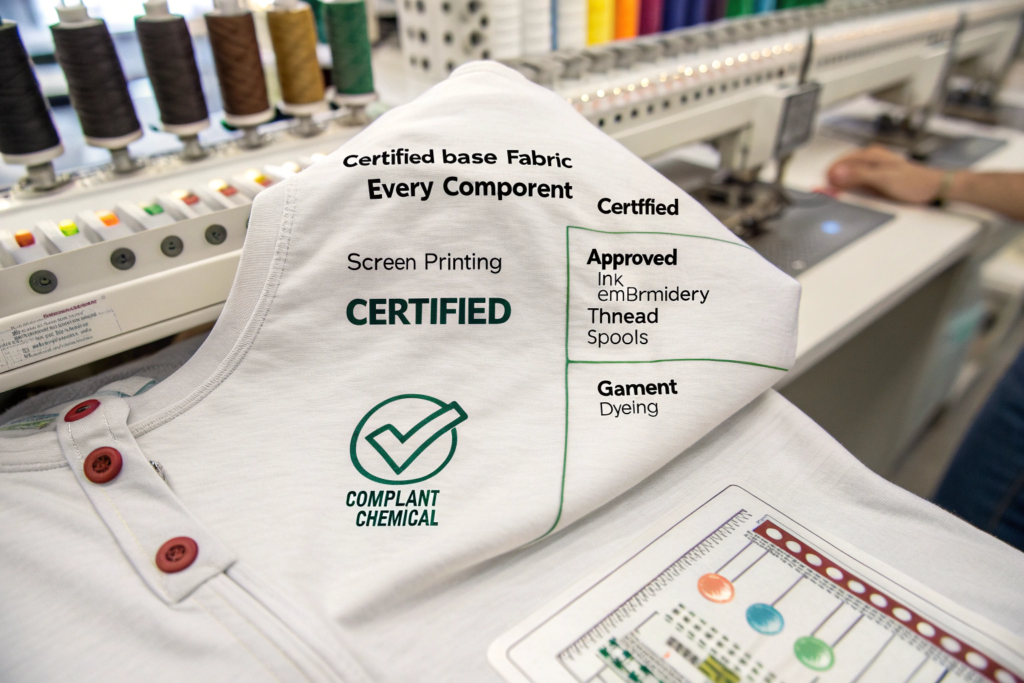
Your base fabric is certified. Now, the trims and decorations must not break the chain. The golden rule: Any chemical applied after the fabric stage must also be compliant. This is where many brands fail, by using non-certified printing inks or embroidery threads.
Here’s how to customize correctly:
- Digital & Screen Printing: You must use printing inks and pigments that are OEKO-TEX® compliant. Our partnered printing factories operate with an approved ink library. Whether you want a photorealistic digital print or a bold plastisol screen print, the inks are pre-vetted. We provide a color-matching service within this compliant palette.
- Embroidery: The embroidery thread and any backing stabilizer must be certified. We source threads from spools that have their own OEKO-TEX® certification. This ensures the colorful logo on your certified hoodie doesn’t introduce allergens.
- Garment Dyeing & Wash Effects: A huge trend in customization. Want a unique garment-dyed vintage wash on your certified tee? The dye house must use certified dyes and conduct the process in a certified facility. The wash chemicals (enzymes, softeners) must also be approved. We achieve this in our partner facilities, creating one-of-a-kind washed looks without compromising safety.
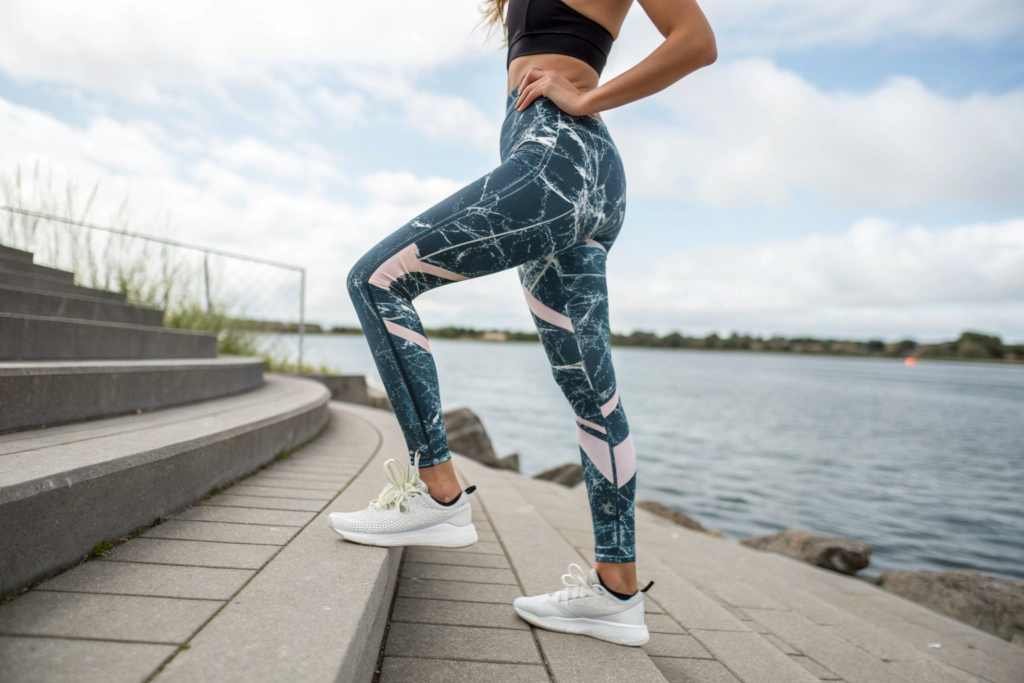
A case study: A sustainable activewear brand wanted a signature “marbled” pattern on their leggings. They couldn’t find a compliant solution with their old supplier. We developed a process using a water-based, OEKO-TEX® approved pigment dispersion and a special curing technique in our printing factory to create the marbled effect directly on our certified recycled nylon fabric. The result was a totally unique, customizable pattern that remained fully certified. Discussions in Printwear Magazine often explore the frontiers of compliant decoration.
What about hardware like buttons, zippers, and labels?
The final assembled garment’s certification depends on all components. If you use a metal zipper with a non-compliant coating, the entire garment fails. We solve this by maintaining a network of certified trim suppliers or by guiding clients to source their own trims that carry OEKO-TEX® certificates. We then include these component certificates in the final product certification application. It requires upfront planning but guarantees integrity.
How Do You Integrate the Certification into Your Brand Story?
The certification is not just a technical detail; it’s a core chapter in your brand’s story. Customization extends into how you communicate this. A generic “OEKO-TEX® certified” tag is wasted space. A customized narrative is powerful.
- The “Why” Behind Your Custom Fabric: Tell the story of why you created this specific certified fabric. “We spent 8 months with our partners at Fumao to develop this exclusive, heavier-weight organic cotton fleece because nothing on the market felt both luxuriously cozy and perfectly safe for all-day wear.”
- Transparency in Components: Use your hangtag or a QR code to list not just the main fabric certification, but also the certifications for the prints, threads, and dyes. This level of detail appeals to the informed consumer and builds immense trust. “This garment’s print uses non-toxic, OEKO-TEX® approved inks for vibrant color that’s safe for your skin and the planet.”
- Behind-the-Scenes Content: Share video or images of the development process at your manufacturer’s facility. Show the lab dips, the testing machines, the approved chemical storage. This makes the certification tangible and associates your brand with professionalism and care.
We helped a direct-to-consumer sleepwear brand execute this perfectly. They created a “Transparency Page” for each product. It included:
- A video of the fabric being tested in our lab for pH and formaldehyde.
- A photo of the OEKO-TEX® certificate for their custom bamboo jersey.
- A short note: “We custom-developed this buttery-soft fabric with Fumao to ensure it met our strict no-irritants policy. Even the seams are sewn with certified thread.”
Their conversion rates improved by 18%, and customer service queries about fabric safety dropped to zero. For storytelling frameworks, content from Brandwatch on authentic brand narratives can be insightful.
How do you handle this for different product categories?
Tailor the message to the product’s use case:
- Athleisure: Focus on “safe performance.” “Your sweat activates the moisture-wicking, not hidden chemicals.”
- Children’s Wear: Focus on “parental peace of mind.” “Every component, from the fabric to the print on the dinosaur, is certified for baby’s sensitive skin.”
- Premium Basics: Focus on “purity and longevity.” “Invest in a tee that’s as clean in its makeup as it is in its design. Certified safe, made to last.”
What Are the Common Pitfalls and How to Avoid Them?
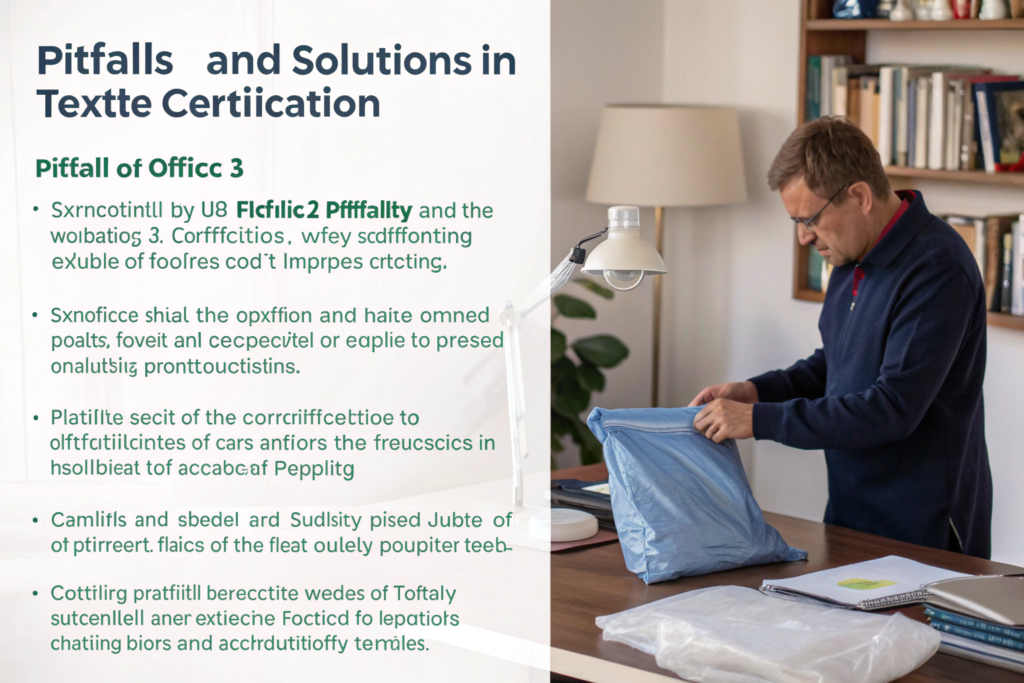
Even with the best intentions, brands stumble. Here are the top pitfalls and the partner-driven solutions:
-
Pitfall 1: Assuming Base Fabric Certification Covers Everything.
- Solution: Work with a manufacturer who understands and manages the full component certification process. From day one, discuss trims, prints, and washes. At Fumao, we provide a pre-production checklist that covers all these elements.
-
Pitfall 2: Last-Minute Design Changes with Non-Compliant Materials.
- Solution: Lock down your Bill of Materials (BOM) early. If a change is needed (e.g., a new button), your manufacturer should be able to quickly verify if a compliant alternative exists. Our digital ACL allows us to check chemical compliance for new finishes in real-time.
-
Pitfall 3: Misunderstanding the Validity of Certificates.
- Solution: Remember, a certificate is for a specific article from a specific supplier. You can’t take our certificate for a fabric and use it for the same fabric sourced from another mill. Ensure your manufacturing partner is the certificate holder or a directly controlled entity.
-
Pitfall 4: Overlooking Packaging.
- Solution: If your garment is sealed in a plastic polybag, that bag is not covered by the textile certification. However, using packaging from recycled or sustainable sources complements your overall brand story of responsibility.
Navigating these pitfalls is why a technical partner is invaluable. Industry forums like The Fashion Law often discuss real-world cases of compliance failures, highlighting the importance of this due diligence.
How does a manufacturing partner streamline this entire journey?
A partner like Shanghai Fumao acts as your single point of accountability. We manage the:
- Design for Compliance: Advising on feasible, certifiable customizations.
- Material Sourcing: Providing certified raw materials and trims.
- Production Coordination: Ensuring all steps (weaving, dyeing, printing) occur in controlled, certified facilities.
- Testing & Documentation: Handling the certification application and providing you with the complete story-ready dossier.
This turns a complex, risky process into a streamlined, creative collaboration.
Conclusion
Customizing OEKO-TEX® certified apparel is the ultimate expression of a brand that cares about both form and substance. It proves that safety and style are not mutually exclusive but are, in fact, the new definition of luxury and quality. The path to customization is not a solo journey through a maze of regulations; it’s a collaborative partnership with a manufacturer who has built the certified infrastructure for you to create upon. The constraint of safe chemistry becomes the foundation for unparalleled creativity and consumer trust.
Your brand’s unique fingerprint—its fits, its fabrics, its finishes—can leave a mark on the market without leaving a harmful trace on people or the planet. Ready to design your signature collection on a foundation of certified safety? At Shanghai Fumao, we provide the canvas, the colors, and the compliant chemistry. Let’s co-create your brand’s most authentic and responsible line yet. Contact our Business Director, Elaine, to begin the design dialogue: elaine@fumaoclothing.com.