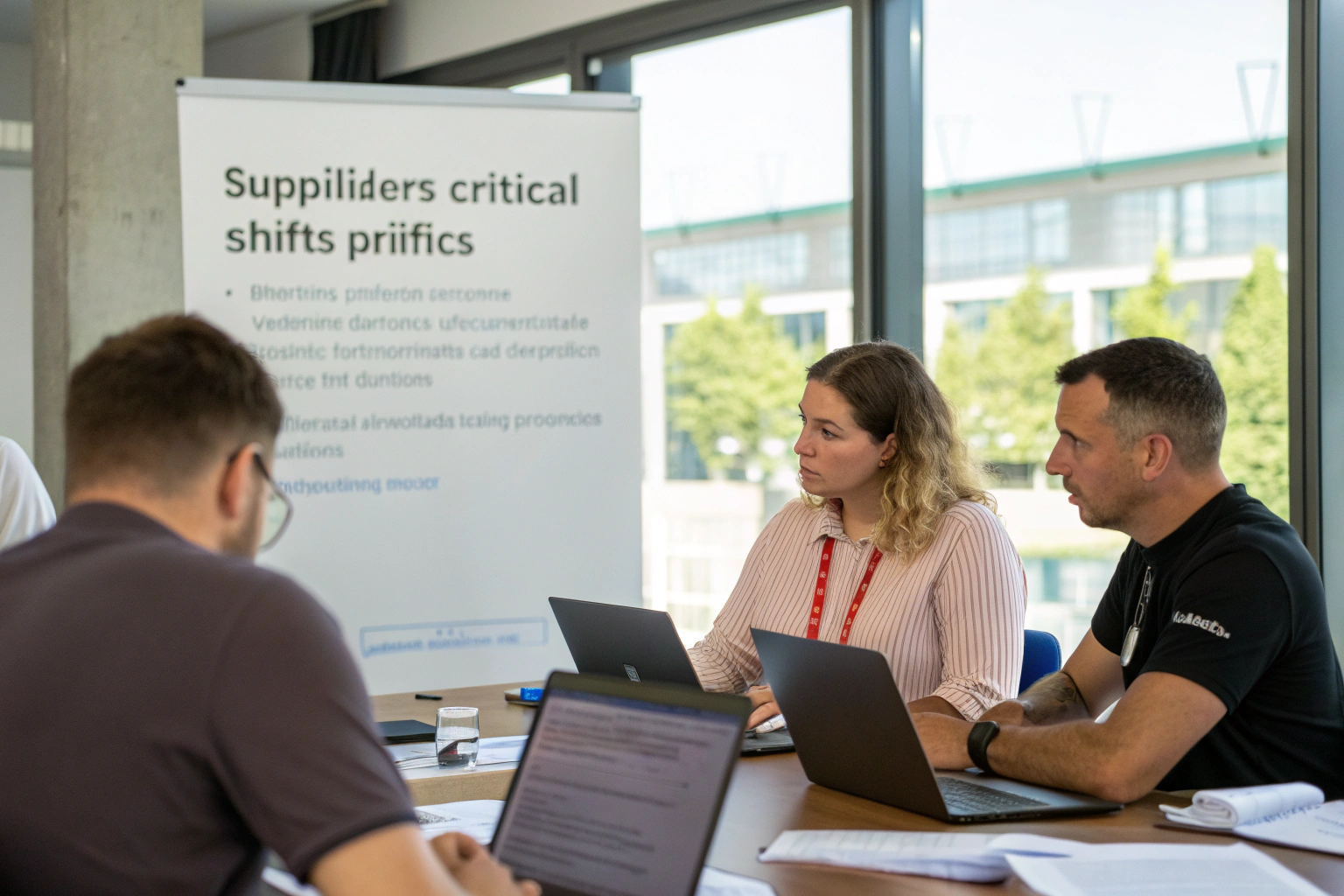
If you’re sourcing apparel for the European market and haven’t been asked for OEKO-TEX® certification yet, you will be soon. It’s no longer a ‘nice-to-have’ for premium brands—it’s becoming a baseline requirement for market entry. But why this specific focus, and why now? The push for OEKO-TEX® STANDARD 100 certification, particularly for products in Product Class II (articles with direct skin contact), is driven by a perfect storm of regulatory tightening, savvy consumer activism, and strategic brand protection.
European brands aren’t just following a trend; they are responding to concrete business pressures. At its core, the demand for OEKO-TEX® Grade 2 (Product Class II) certification is a direct answer to the EU’s escalating chemical regulations like REACH, the EU’s Strategy for Sustainable and Circular Textiles, and the upcoming Digital Product Passport (DPP). It’s the most recognized and efficient way for brands to prove due diligence, mitigate legal and financial risk, and meet the informed consumer’s demand for transparency. In short, it’s become the common language of compliance and trust in one of the world’s most regulated markets.
For suppliers, understanding this shift is critical. It’s not merely about passing a test; it’s about aligning your production system with Europe’s future-proof definition of responsible manufacturing. Brands aren’t just buying a certificate—they are buying a guaranteed, verifiable supply chain process that ensures every t-shirt, dress, or pair of underwear reaching European shelves is demonstrably safe. This article breaks down the specific European drivers behind this demand and what it means for your business as a supplier or buyer.
1. What Regulatory Pressures Are Driving This Demand in Europe?
The European Union is not waiting for voluntary change; it is legislating it. The regulatory landscape is moving from controlling chemicals at the industrial level to ensuring they are absent from finished consumer goods. For apparel brands, this creates a liability cascade: they are ultimately responsible for every substance in every garment they sell. OEKO-TEX® Grade 2 certification serves as a pre-verified, standardized shield against this liability.
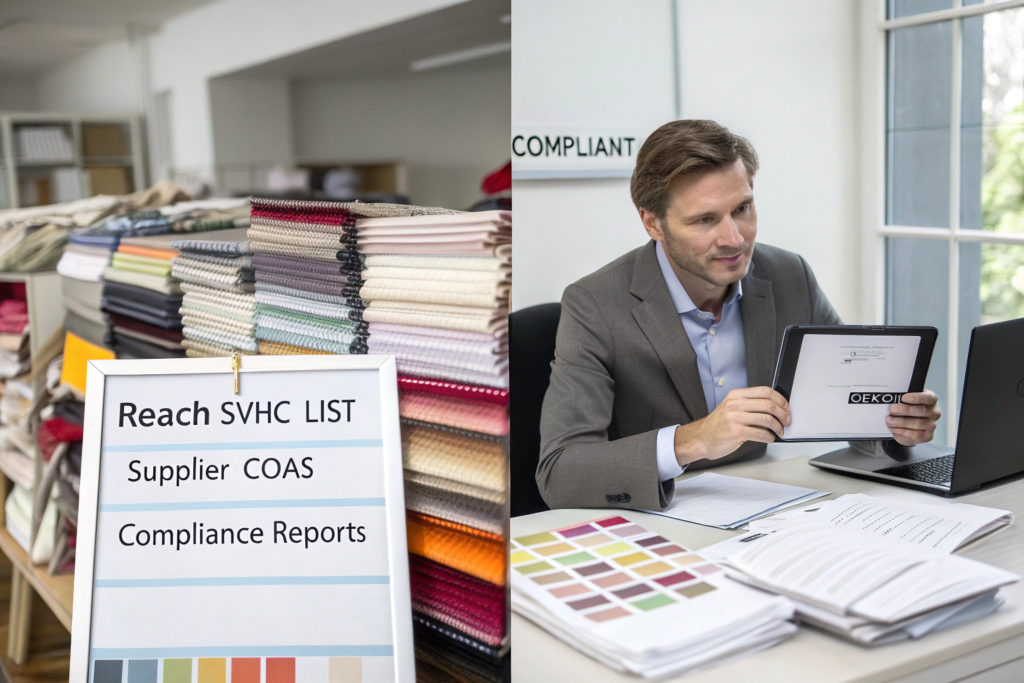
The cornerstone is REACH (Registration, Evaluation, Authorisation and Restriction of Chemicals). Its list of restricted substances (SVHCs – Substances of Very High Concern) is long and growing. For a brand to independently verify compliance for every fabric component, dye, and accessory across a complex global supply chain is a monumental and costly task. OEKO-TEX® STANDARD 100 incorporates REACH requirements and goes beyond them, testing for many non-regulated but concerning substances. By demanding a Grade 2 certificate, a brand effectively outsources a huge part of its complex compliance verification to a trusted, independent system. A brand manager in Berlin can sleep easier knowing their supplier in Keqiao is working within this certified framework.
How does the EU’s Digital Product Passport (DPP) make certification essential?
The upcoming Digital Product Passport (DPP), a cornerstone of the EU’s Ecodesign for Sustainable Products Regulation (ESPR), will be a game-changer. It will require a unique, accessible record for every product placed on the EU market, containing data on composition, durability, recyclability, and crucially—the presence of substances of concern.
An OEKO-TEX® certificate, with its unique ID, is essentially a pre-formatted, credible data module for the DPP’s chemical safety section. It provides the verified, standardized information that will need to be digitally linked to the garment (e.g., via QR code). Brands preparing for the DPP are therefore prioritizing suppliers who already have this data readily available and verifiable. For a supplier like Shanghai Fumao, this means our OEKO-TEX® certified fabrics are not just products; they are future-compliant data packages for our clients. Proactive discussions about this are happening on industry platforms like Euratex, the European apparel and textile confederation.
Are there specific country-level laws intensifying this trend?
Absolutely. While EU regulations set the floor, individual countries are raising the bar. Key examples include:
- France: The landmark Anti-Waste for a Circular Economy (AGEC) Law requires detailed consumer information on substances of very high concern (SVHCs). OEKO-TEX® certification provides a structured way to demonstrate compliance.
- Germany: Strict enforcement of product safety laws and the strong presence of consumer protection agencies like the Stiftung Warentest (which recognizes OEKO-TEX® in its evaluations) make certification a practical necessity for market acceptance.
- Nordic Countries: Sweden and Denmark have particularly ambitious national strategies to phase out hazardous chemicals, often referencing or aligning with OEKO-TEX® criteria as a benchmark.
This patchwork of national laws makes a pan-European standard like OEKO-TEX® even more valuable. It’s a single solution that satisfies multiple jurisdictions. For brands selling across Europe, it streamlines compliance enormously.
2. How Has European Consumer Sentiment Shifted?
Regulation is being pulled, not just pushed, by a fundamental shift in European consumer consciousness. Today’s shopper is increasingly a "citizen-consumer" who sees purchasing power as a tool for environmental and health advocacy. They are armed with smartphone apps like ToxFox or Clear Fashion that can scan barcodes and rate products on chemical safety. In this environment, a visible, trusted certification is a direct sales tool.
The demand is especially acute for Product Class II items—clothes that touch the skin. Parents buying children’s wear, athletes seeking performance gear, or individuals with sensitive skin actively look for the OEKO-TEX® label as a guarantee of safety. It transcends "sustainability" to address a very personal concern: "Is this product safe for my body?" For a brand, lacking this certification can mean losing a sale at the point of purchase or facing negative reviews online. The label has become a powerful symbol of trust that short-circuits complex consumer research.

What role do retailers and platforms play in amplifying this demand?
Major European retailers and e-commerce platforms are the gatekeepers, and they are setting the rules. To protect their own brand equity and mitigate risk, they are increasingly mandating certifications in their supplier codes of conduct.
- Marketplaces: Platforms like Zalando and Amazon EU have specific sustainability and chemical management requirements for sellers. OEKO-TEX® is frequently listed as an accepted or preferred proof of compliance.
- Department Stores & Chains: Major players are integrating OEKO-TEX® into their private label sourcing standards. It’s no longer just for niche eco-brands.
This creates a ripple effect. When a large retailer demands OEKO-TEX®, every factory and fabric supplier in its chain must comply. This dramatically accelerates adoption across the entire supply network. Suppliers who are already certified, like Shanghai Fumao, are positioned as lower-risk, ready-to-go partners for these major accounts.
Is this demand consistent across all apparel categories?
While strongest in skin-contact categories, the demand is spreading. The focus areas are:
- Children’s Apparel (Class I): Non-negotiable for most European brands. The strictest standard.
- Activewear & Underwear (Class II): High growth area due to skin contact and sweat interaction.
- Everyday Fashion (Class II): T-shirts, dresses, shirts—where the majority of consumer skin contact occurs.
- Home Textiles (Class II & IV): Bed linens and towels are also under scrutiny.
Even for outerwear (Class III), brands are starting to demand certification as part of a holistic brand commitment to safety and transparency. It’s becoming a portfolio-wide expectation.
3. What Are the Tangible Business Benefits for European Brands?
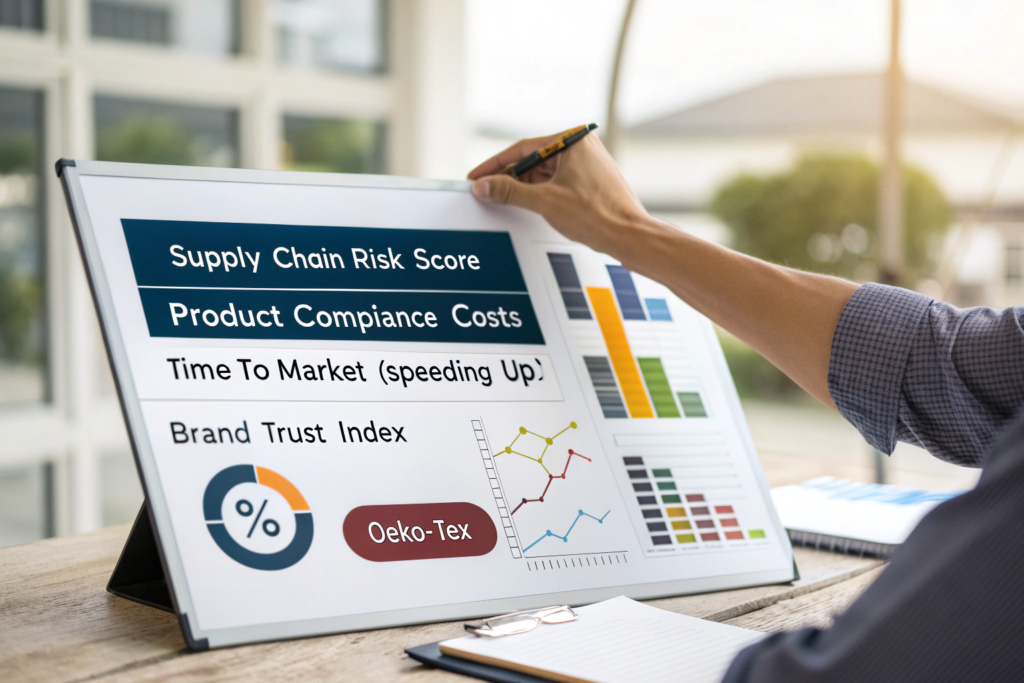
Beyond compliance and marketing, the demand for OEKO-TEX® Grade 2 certification is a calculated business decision that impacts the bottom line. It simplifies operations, reduces cost-in-use, and protects brand value in measurable ways.
First, it drastically simplifies supply chain management. Instead of managing hundreds of chemical data sheets from dozens of suppliers, a brand can rely on a unified, audited system. This reduces administrative overhead, speeds up new product development (as certified materials are pre-approved), and minimizes the risk of costly production delays due to failed lab tests. For instance, a Dutch brand we worked with in 2023 reduced their fabric approval time by 60% by switching to our pre-certified fabric library, allowing them to react faster to trends.
How does certification act as a financial risk mitigation tool?
The financial risks of non-compliance in Europe are severe and multifaceted:
- Fines and Penalties: Violating REACH or national chemical laws can result in substantial fines.
- Recall Costs: Removing a non-compliant product from shelves across multiple countries is logistically devastating and expensive.
- Reputational Damage: The cost of a media scandal about "toxic clothes" can dwarf any fine, leading to long-term loss of customer loyalty and shareholder value.
An OEKO-TEX® certificate is a documented piece of evidence in a "due diligence" defense. It shows the brand took reasonable, recognized steps to ensure product safety. This protective aspect is a major driver for corporate risk and compliance officers within large European brand organizations. Resources like the European Chemicals Agency (ECHA) website outline the legal responsibilities that make this due diligence so critical.
Does it offer a competitive advantage in B2B partnerships?
Increasingly, yes. In the B2B space—such as corporate workwear, hotel linens, or healthcare uniforms—procurement officers are also under sustainability mandates. Offering OEKO-TEX® certified apparel can be a decisive factor in winning tenders. It demonstrates a professional, responsible approach that aligns with the corporate values of the client. It transforms the product from a commodity into a value-added, low-risk solution. This is a key talking point we emphasize at Shanghai Fumao when partnering with brands that supply these B2B sectors.
4. What Must Suppliers Do to Meet & Exceed This Demand?
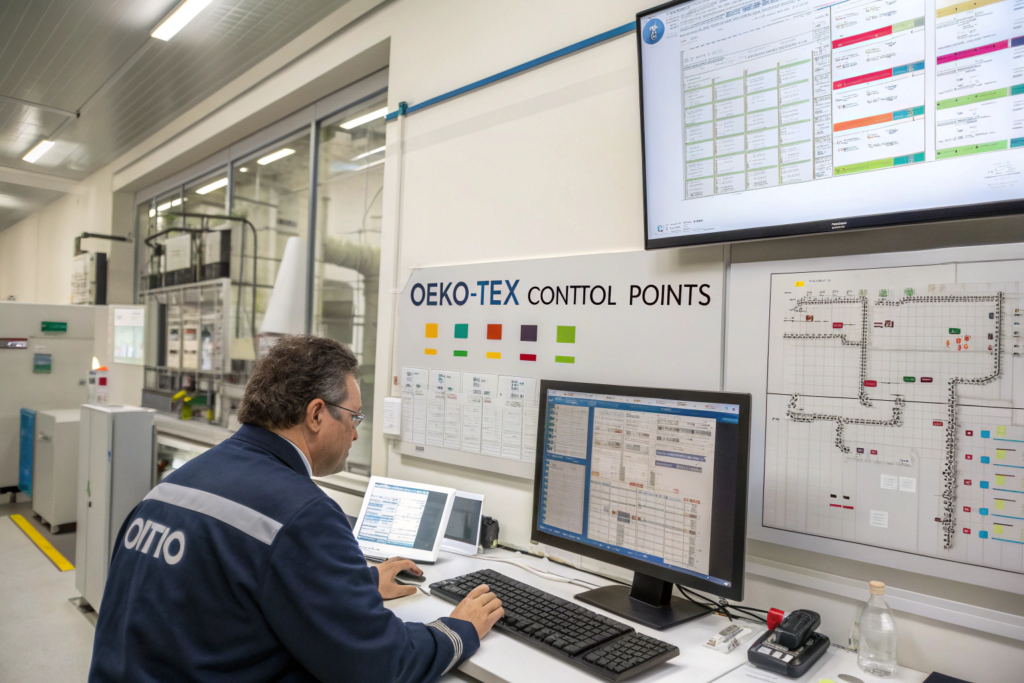
For suppliers, merely obtaining a one-off certificate is not enough. European brands are looking for partners who have integrated the OEKO-TEX® standard into their operational DNA. This means having a robust, internally managed control system that ensures consistency across all production batches, not just the one that was tested.
The expectation is moving from certified product to certified and transparent process. Brands want to know: How do you control your chemical inventory? How do you train your production staff? Can you provide traceability from the certified fabric roll back to the dye lot? The most advanced brands are even looking for suppliers with OEKO-TEX® STeP certification for their manufacturing sites, which audits sustainable production conditions.
What are the most common pitfalls for suppliers seeking certification?
The biggest mistakes are:
- Treating it as a one-time test: Certification requires annual renewal and ongoing conformity of production.
- Failing to control sub-suppliers: If you outsource dyeing or printing, their chemical use must be controlled and documented. Your certificate depends on their compliance.
- Incorrect product class application: Mislabeling a product’s class (e.g., calling a dress lining Class II when it’s Class III) invalidates the certification’s claim and exposes the brand to risk.
- Poor documentation: Inability to quickly provide the correct certificate, test reports, and traceability data when a brand audits you.
Successful suppliers build a dedicated internal protocol, often managed by their QC team, to avoid these pitfalls. We’ve developed a checklist system at Shanghai Fumao that is used by every department involved in a certified order, ensuring nothing falls through the cracks.
How can suppliers leverage this demand for growth?
Smart suppliers don’t just see this as a cost; they see it as a market differentiation and value-creation opportunity. By achieving certification early and deeply, you can:
- Command a Premium: Certified, safer fabrics can justify a higher price point.
- Access New Clients: Become eligible for business with major European brands and retailers who have strict entry requirements.
- Build Stronger Partnerships: Transition from a transactional supplier to a strategic compliance partner for your clients.
Investing in the necessary systems and partner audits (like ensuring your dye house is compliant) builds a formidable competitive moat. Sharing your certification journey and expertise on platforms like LinkedIn for textile professionals can also attract the right kind of European clientele looking for knowledgeable partners.
Conclusion
The European demand for OEKO-TEX® Grade 2 certified apparel is not a passing fad; it is the new commercial reality. It is the convergence point of stringent regulation, educated consumer choice, and smart brand risk management. For European brands, it is an essential tool for market access, legal compliance, and building consumer trust in an increasingly transparent world.
For suppliers, this demand represents a clear challenge and a significant opportunity. The challenge is to move beyond superficial compliance and build a verifiable, integrated management system for chemical safety. The opportunity is to position yourself as a reliable, future-proof partner to the lucrative European market—a partner who doesn’t just sell fabric, but who sells confidence, data, and peace of mind.
Ultimately, OEKO-TEX® Grade 2 is becoming the hygiene factor for doing business in Europe. You won’t necessarily win a contract just for having it, but you will almost certainly lose one for not having it. The brands that will thrive are those that integrate it seamlessly, and the suppliers that will prosper are those who make this integration a core part of their value proposition.
Ready to become a certified partner for the European market? At Shanghai Fumao, we have built our supply chain around meeting and exceeding these demands. Our OEKO-TEX® STANDARD 100 (Class I, II, III) certified fabrics are backed by STeP-assessed production partners, full digital traceability, and a team that understands the specific needs of European brands. We can help you navigate the certification landscape efficiently. To discuss how to make OEKO-TEX® compliance a competitive advantage for your next European-focused collection, contact our Business Director, Elaine, at elaine@fumaoclothing.com.