
Are you importing clothing or textiles from China to the US and suddenly hit with a demand for a document called a "Transaction Certificate"? You’re not alone. Every year, countless US importers, from big brands to small entrepreneurs, face unexpected delays and added costs because they didn’t fully understand this specific piece of import compliance. It’s more than just a form; it’s a key that unlocks your shipment at the border. Without it, your goods—and your capital—are stuck. Let’s break down why this certificate is non-negotiable and how to manage it seamlessly.
The Transaction Certificate for Textiles and Apparel (also often referred to as a "Textile Visa" or "Export Visa") is an official document issued by the government of the exporting country (like China) that accompanies shipments to the United States. It’s a bilateral agreement requirement that helps US Customs and Border Protection (CBP) monitor and control textile imports under specific quotas or trade agreements. Essentially, it’s the exporting country’s way of certifying that the shipment is within agreed limits and complies with the rules of origin. For US importers, it’s mandatory proof for customs clearance. Not having the correct certificate can lead to goods being denied entry, hefty fines, and massive supply chain disruptions. Planning for this document is as critical as planning your production timeline around Chinese New Year.
Think of the Transaction Certificate as the passport for your fabric shipment. Just as you need a visa to enter another country, your textile goods need this certificate to legally enter the US market. Overlooking it is one of the most common and costly mistakes importers make. In this article, I’ll draw from over two decades at Shanghai Fumao helping clients like you navigate these waters. We’ll move beyond the basic "what it is" to the practical "how it affects you," sharing real cases and actionable strategies to turn this bureaucratic step into a competitive advantage for your sourcing process.
What Exactly Is a Textile Transaction Certificate?
If paperwork makes your head spin, you’re in good company. But in global trade, some documents are the pillars holding up your entire operation. The Transaction Certificate is one of them. It’s not an invoice, not a packing list, but a specific control document governed by the US-China textile agreement.
Simply put, a Transaction Certificate is an official export license for textiles. When China ships certain categories of textile and apparel products to the US, their Ministry of Commerce (MOFCOM) or designated authority issues this certificate for each shipment. It contains vital details: the category number (a specific code for the type of product, like "347/348" for cotton trousers), the quantity, the value, and the date of export. The US CBP will cross-check this certificate against their data upon arrival. If the numbers don’t match or the certificate is missing, your shipment is flagged. It’s the first and most critical checkpoint for your goods. Understanding its components is the first step to mastering your import logistics.
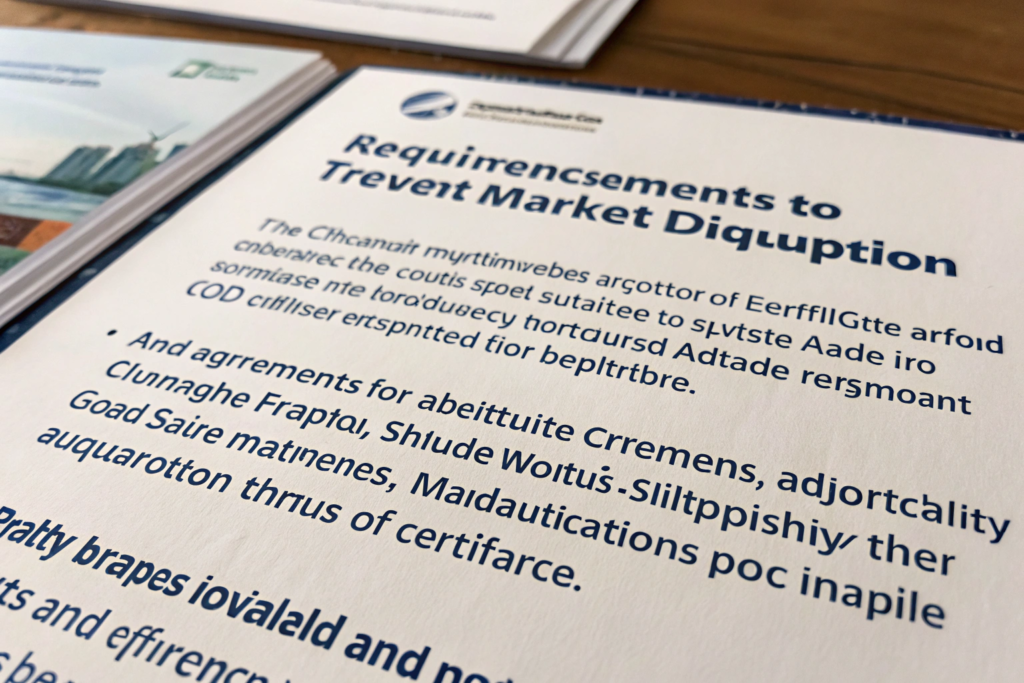
The requirement stems from trade agreements designed to prevent market disruption. While absolute quotas are largely a thing of past, the certificate system remains a monitoring tool. For you, the importer, the direct consequence is that your supplier must obtain this certificate before the goods can be shipped. You cannot get it yourself. This places the initial responsibility on your Chinese manufacturing partner. Their ability to handle this process efficiently is a major indicator of their professionalism and experience with US exports. I’ve seen orders from new buyers get delayed by weeks because their chosen factory was unfamiliar with the application procedure, which involves precise HS code classification and timing. A reliable partner like Shanghai Fumao manages this as part of our standard FOB service, because we know a smooth customs clearance is where our job truly ends.
How Does the Certificate Relate to HS Codes and Product Categories?
Every textile product has a specific "category number" under the US system, which is linked to its Harmonized System (HS) code but is more detailed for textile trade. For instance, knitted cotton t-shirts fall under category 338/339. Your factory must apply for the certificate under the correct category. Getting this wrong is a cardinal sin. If the certificate says category 338/339 but the CBP officer determines your goods are actually category 347/348 (cotton trousers), your shipment will be held for mis-declaration.
| Here’s a quick reference for some common categories: | US Category Number | General Product Description | Common HS Code Headings (Example) |
|---|---|---|---|
| 338/339 | Knitted Cotton Shirts/Tops | 6109, 6110 | |
| 340/640 | Woven Cotton/Man-Made Fiber Shirts | 6205, 6206 | |
| 347/348 | Cotton Trousers/Breeches | 6203, 6204 | |
| 652 | Lingerie of Man-Made Fibers | 6212 |
I always advise clients to double-check the category with us during the tech pack review phase. In 2023, a client from California was importing a blended fabric for dresses. Their initial declaration was off. Our QC team caught it during pre-shipment inspection, matched the fabric content to the correct category, and re-issued the certificate application, saving them from a potential 30-day customs hold. For a deeper dive into classifying your specific products, resources like the U.S. International Trade Commission’s (USITC) Harmonized Tariff Schedule are indispensable, but consulting with an expert is faster. Also, forums like Fashion-Incubator’s discussion on import regulations often have practical advice from other importers on navigating these codes.
What Happens If My Shipment Lacks a Valid Certificate?
The short answer: chaos. The CBP will issue a "No-Textile Visa" hold. Your goods are moved to a bonded warehouse, and you start accruing demurrage (storage) charges daily—these can run into thousands of dollars quickly. You then have a limited window to either obtain a valid certificate (retroactively, which is difficult and time-consuming) or re-export the goods. In the worst case, the goods may be seized and destroyed.
This isn’t a scare tactic; it’s a routine occurrence. The financial impact goes beyond fines. You miss your delivery window to retailers, which can harm relationships and lead to chargebacks. Your working capital is tied up in stranded inventory. Planning for this document is as crucial as understanding the impact of Chinese New Year on production timelines. Just as savvy brands plan pre-production 6 weeks before the holiday, savvy importers confirm certificate readiness before their goods even hit the container. Ensuring your supplier has a proven track record here is key. At our company, we treat certificate acquisition with the same priority as quality inspection—it’s a non-negotiable step in our packing and shipping checklist.
Why Is This Certificate Critical for Avoiding US Customs Delays?
Time is money, and nowhere is that truer than in international shipping. A one-day delay at a US port can ripple into weeks of missed sales opportunities. The Transaction Certificate is the single most common textile-specific document that causes these delays. While other factors like FDA holds or agricultural inspections can occur, the certificate check is a guaranteed stop for your textile shipment.
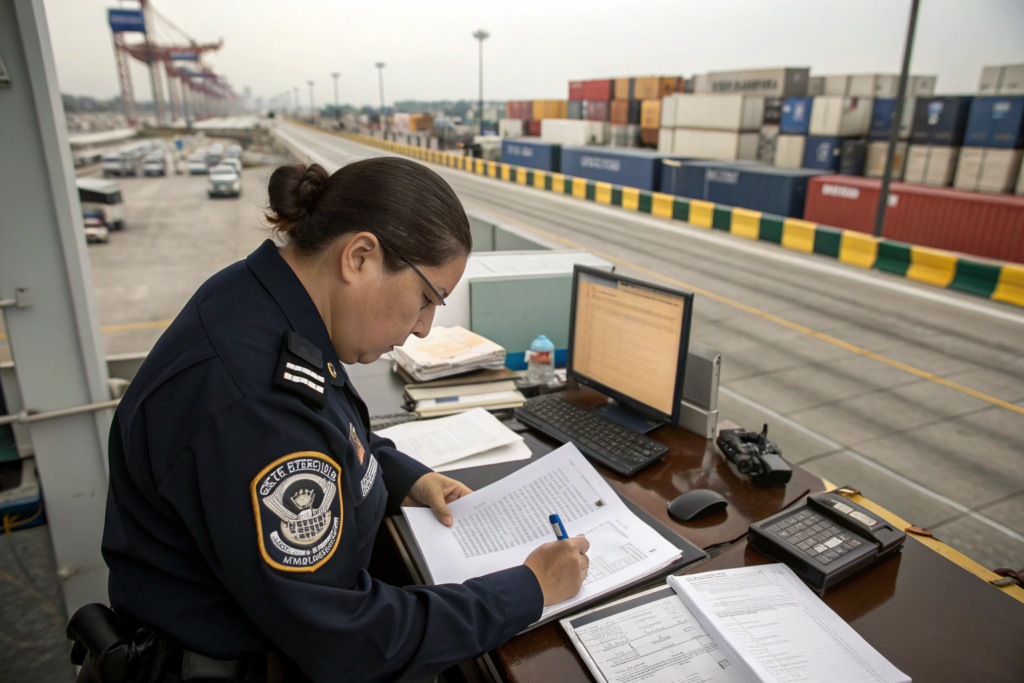
US Customs operates on a "responsible scrutiny" model for textiles. Given the historical sensitivity and volume of textile imports, shipments are highly likely to be examined for correct documentation. The CBP officer’s system will immediately flag an entry if the corresponding certificate data from the Chinese government hasn’t been electronically matched or if the paper document is missing. This isn’t a random audit; it’s a systematic verification. Therefore, your supply chain’s speed is only as fast as its slowest document. (Here’s a fact from the trenches: a complete and accurate certificate submission can mean the difference between your container being on a truck to your warehouse in 3 days or 3 weeks.)
From our experience at Shanghai Fumao, the peak production periods (March-May and August-October) add another layer of complexity. During these times, Chinese export authorities are also inundated with applications. An experienced supplier knows to submit applications well in advance of the bill of lading date to account for this internal processing time. We once helped a startup sportswear brand from Texas during the August peak. By submitting their certificate application the moment the final quantity was confirmed from production, we secured the certificate number before the cargo even reached the port, ensuring their shipment cleared Miami in record time. This proactive approach is what separates a true partner from just a supplier.
How Do Shipping Terms (FOB, EXW, DDP) Affect Certificate Responsibility?
This is a major point of confusion. The responsibility for obtaining the certificate typically falls on the exporter (the Chinese supplier), as it’s an export document issued by their government. However, the responsibility for ensuring it is correct and presented to CBP ultimately falls on the US importer of record.
- FOB (Free on Board): This is the most common and balanced term. As your supplier, we at Shanghai Fumao handle the export procedures, including applying for and obtaining the physical Transaction Certificate. We then provide you with a scanned copy and send the original via courier. You or your freight forwarder use this to file entry with CBP. Clear communication is key.
- EXW (Ex Works): Here, you are effectively buying the goods at the factory gate. The supplier’s responsibility is minimal. You must explicitly contract with them to obtain the certificate on your behalf, as you cannot get it yourself. Many importers get burned on EXW terms by assuming the factory will handle it.
- DDP (Delivered Duty Paid): The supplier (or their agent) handles everything, including US customs clearance. They should manage the certificate seamlessly. Ensure your contract explicitly states they are responsible for all customs holds due to documentation.
The key takeaway: Never assume. Spell out certificate handling in your purchase contract. A great resource to understand these terms in depth is the International Chamber of Commerce’s (ICC) Incoterms® rules, but also consider reading practical guides on forums like Supply Chain Dive’s logistics section. Specify who applies, who pays any application fees, who receives the original, and the timeline for providing it.
What Are the Best Practices to Ensure Certificate Timeliness?
Proactivity is your best defense. Integrate certificate checks into your production milestones, not just your shipping schedule.
- Confirm Category Early: During initial sampling and order confirmation, agree on the exact US category number and HS code with your supplier. Get it in writing.
- Tie to Inspection: Make the release of the certificate application a formal step after your final pre-shipment inspection. When the inspection confirms the final quantity and product description, that triggers the supplier to file with MOFCOM. This mirrors how smart brands plan production around the Chinese New Year shutdown.
- Use a Reliable Freight Forwarder: Work with a forwarder experienced in textile imports. They will hound you for the certificate copy as soon as the vessel sails. A good forwarder is your early warning system.
- Digital Backup: Always have a high-quality scanned PDF of the original certificate. While CBP often requires the original for formal entry, the scan can accelerate preliminary reviews with your broker.
- Supplier Vetting: Ask potential suppliers point-blank: "Walk me through your process for obtaining the Textile Transaction Certificate for a US shipment." Their answer will tell you everything. Our process at Shanghai Fumao is integrated into our ERP system, creating a digital trail from production order to certificate number generation.
Can the Right Supplier Simplify the Certificate Process?
Absolutely. Choosing a supplier is not just about price and quality; it’s about choosing a logistics and compliance partner. A supplier entrenched in the export ecosystem, like one based in Keqiao with daily volume, has institutional knowledge and established relationships that a smaller trading company might lack. They treat compliance not as an obstacle, but as a standard operating procedure.
Think of it this way: you wouldn’t ask a local tailor to manage the construction of a 50,000-unit uniform order. Similarly, you shouldn’t rely on a supplier inexperienced with US exports to handle your critical entry documents. The right supplier acts as an extension of your team, anticipating these requirements. For instance, because we are part of the Keqiao textile cluster and handle over 300 containers a month to the US and EU, our documentation team is a dedicated unit. They know the clerks at the relevant chambers, understand the peak processing times, and have a checklist that hasn’t failed in years. This reliability is a core part of our value proposition—it turns a potential headache into a non-issue for you.
A concrete example: In early 2024, we worked with an e-commerce client from Seattle importing recycled polyester performance sets. Their order was complicated by a last-minute fabric blend adjustment to include a small percentage of spandex, which changed the category number. Our R&D lead flagged this to the documentation team immediately. While the client was focused on the updated lab dips, we had already initiated the amended certificate application. The client received the new certificate draft for review alongside their fabric approval, with zero delay to the production schedule. This level of integrated service is what builds long-term partnerships.

What Should I Look for in a Supplier’s Compliance Capability?
Don’t just take their word for it. Ask for evidence and drill into their process during your sourcing evaluation.
- Ask for Samples: Request to see a redacted sample of a Transaction Certificate they’ve issued for a previous US shipment. Check for completeness and clarity.
- Ask About Systems: Do they use manual paperwork or a digital export management system? Digital systems reduce human error.
- Inquire About Contingencies: "What happens if there’s a mistake? What’s your backup process?" A good supplier will have a plan, often involving their freight forwarder contacts or in-house legal advisors.
- Check Certifications: Suppliers with broader international compliance certifications (like BSCI, ISO) often have stronger internal process controls that spill over into document handling. Our CNAS-accredited lab, for example, instills a discipline for precision that applies to paperwork as well.
- Leverage Industry Networks: Use platforms like Alibaba’s Supplier Assessment tools but go beyond the ratings. Look for suppliers who actively participate in industry forums or have detailed content on their website about export processes, like our own blog. This shows thought leadership.
How Does This Tie into Broader Quality Control and Trust?
The handling of the Transaction Certificate is a powerful litmus test for a supplier’s overall reliability. A factory that is meticulous about documentation is almost invariably meticulous about quality control, production timelines, and communication. It reflects an organized, process-driven mindset.
Consider our own end-to-end control. Our QR code tracking system doesn’t just give you fabric test data; it also links to the shipment file, where you can see the status of key documents like the Certificate. This transparency builds trust. You know that if we are precise enough to track the shrinkage rate of a specific roll of fabric, we are precise enough to ensure its export documents are flawless. This holistic approach to order management protects you from the "unknown unknowns" that derail import projects. For those looking to build a deeper understanding of supplier vetting, resources like Sourcing Journal’s articles on supplier relationships offer valuable insights from industry professionals.
How Can I Turn Compliance into a Competitive Advantage?
In a market where everyone is chasing the lowest price, smooth, reliable, and fast delivery can be your ultimate differentiator. Mastering compliance, including the Transaction Certificate process, isn’t just about avoiding problems—it’s about creating speed and predictability in your supply chain. This lets you respond faster to trends, hold less safety stock, and build a reputation for reliability with your own customers.
A European fashion brand’s strategy around Chinese New Year is a perfect analogy. They don’t just hope for the best; they plan their pre-production 6 weeks in advance to hit the ground running post-holiday. You can adopt the same strategic mindset with customs documentation. By systematizing the certificate process, you effectively shorten your landed cost timeline. Your goods move from ship to shelf faster than your competitors who are dealing with customs holds. This is a tangible advantage you can market. In our work with clients, we’ve seen those who embrace this full-process partnership often achieve a 15-20% shorter total lead time from order to warehouse compared to industry averages, despite the same physical production and sailing time.
Let’s talk about a real advantage: payment terms. Banks and trade finance institutions look favorably on importers with a clean, consistent track record of on-time, problem-free shipments. Demonstrating that you have a certified, reliable supply chain partner who guarantees compliant documentation can strengthen your case for better financing rates or letters of credit. It de-risks your business in the eyes of financiers. One of our long-term clients in New York used our consistent documentation record as part of their pitch to secure expanded credit lines, allowing them to place larger orders and achieve better economies of scale.

What Steps Can I Take to Build a Bulletproof Process?
It starts with treating documentation as a core component of your product sourcing, not an afterthought.
- Create a Master Checklist: Develop an import checklist that runs parallel to your production checklist. Milestone 1: Order placed → Confirm HS code/category. Milestone 2: Production complete → Confirm certificate application submitted. Milestone 3: Goods shipped → Receive scanned certificate and track original.
- Centralize Communication: Ensure your buying agent, supplier, and freight forwarder are all on the same email thread or platform for document exchange. Silos cause errors.
- Conduct a Post-Mortem: After every shipment, briefly review the documentation flow. What went smoothly? What could be faster? Continuous improvement applies to paperwork too.
- Leverage Your Supplier’s Expertise: Ask us! At Shanghai Fumao, we don’t just send you a certificate. We can explain what every field means, advise on potential grey areas with blended fabrics, and share insights on current CBP focus areas based on our shipment volumes. For example, we’ve recently guided several clients on the documentation nuances for shipping eco-friendly innovations like BAMSILK or recycled blends, which sometimes fall into special categories.
- Educate Yourself: Use authoritative sources to stay updated. Bookmark the CBP’s Textile and Apparel page for official updates. Follow industry news on sites like Just-Style for analysis on trade policy changes that might affect certificate requirements.
How Does This Align with Trends Like Nearshoring and Sustainability?
Even with trends toward nearshoring, Asia, and China in particular, will remain a dominant force in textile production for the foreseeable future due to scale and expertise. Mastering the compliance of importing from this region is a durable skill. Furthermore, a streamlined, error-free import process has a sustainability angle: it reduces waste. Fewer delays mean fewer rushed, carbon-intensive air shipments to make up for lost time. Accurate documentation prevents the catastrophic waste of goods being rejected and potentially destroyed. By choosing a supplier with a robust compliance framework, you’re indirectly supporting a more efficient and less wasteful supply chain—a selling point for today’s conscious consumer. If you’re exploring sustainable sourcing, understanding how to navigate the compliance for how to source GOTS certified organic cotton from China is crucial, and it starts with partners who understand the full chain.
Conclusion
Navigating the requirements of a US textile Transaction Certificate may seem daunting, but it ultimately boils down to partnership, process, and proactive planning. It’s a definitive component of importing apparel and fabrics from China, one that directly impacts your bottom line through delays, fines, and operational headaches when mismanaged. By understanding what it is, why it’s critical, and how the right supplier can seamlessly integrate its management into your order flow, you transform a potential vulnerability into a pillar of supply chain reliability.
The most successful importers we work with don’t see this as just another form. They see it as the final quality checkpoint in a long journey from yarn to their warehouse. They choose suppliers who view it the same way. In the intricate dance of global trade, where timing is everything and margins are tight, ensuring your goods have the right "passport" is the simplest way to avoid a costly misstep. Remember, your supply chain’s strength is determined by its weakest link—don’t let that link be a piece of paper.
Ready to source with a partner who handles the complexities of compliance, so you can focus on your brand and customers? Shanghai Fumao has over 20 years of expertise guiding US importers through every step, from fabric development and rigorous QC to flawless documentation and logistics. Let’s discuss how we can make your next order your smoothest yet. Contact our Business Director, Elaine, to start a conversation about your specific needs. Reach her at: elaine@fumaoclothing.com.