Ever felt that nagging worry when a new batch of fabric arrives? You check the color, the hand feel, but that deep-down question about what’s really in it lingers. For buyers sourcing from Asia, especially China, navigating the maze of certifications can be a headache. You hear terms like OEKO-TEX, GOTS, and then there’s CMIA. Is it just another compliance checkbox, or does it hold real weight for your supply chain’s safety and reputation? Let’s cut through the noise.
CMIA stands for the China Metrology and Certification Institute Association. In the garment and textile world, a CMIA certification is a credible Chinese mark that validates a product has been tested and meets specific national standards for safety and quality, particularly focusing on harmful substance control. Think of it as a vital "passport" for textiles circulating within the Chinese domestic market and a strong signal of compliance for international buyers concerned about product safety.
For global sourcing professionals, understanding CMIA is not about adding bureaucracy. It’s about risk mitigation. When you’re managing complex supply chains that span continents, any weak link in material safety can lead to recalls, lost trust, and financial damage. This certification, from a respected Chinese institution, provides a documented layer of assurance that the fabrics you’re buying have been scrutinized against rigorous chemical and physical criteria. It’s peace of mind, woven right into the material.
So, why should this matter to you, especially if you have your own QC teams? Because it’s about aligning standards and building efficiency. In the following sections, we’ll break down exactly what CMIA covers, how it compares to other well-known labels, the tangible benefits it brings to your business, and the practical steps to ensure your suppliers are genuinely compliant. This knowledge is power in today’s transparent market.
What Specific Tests Does CMIA Certification Include?
You know certification is important, but the real value lies in the details. Vague promises don’t protect your brand. What specific dangers does CMIA actually screen for? Understanding the scope of its testing is the only way to judge if it addresses your specific concerns about material safety.
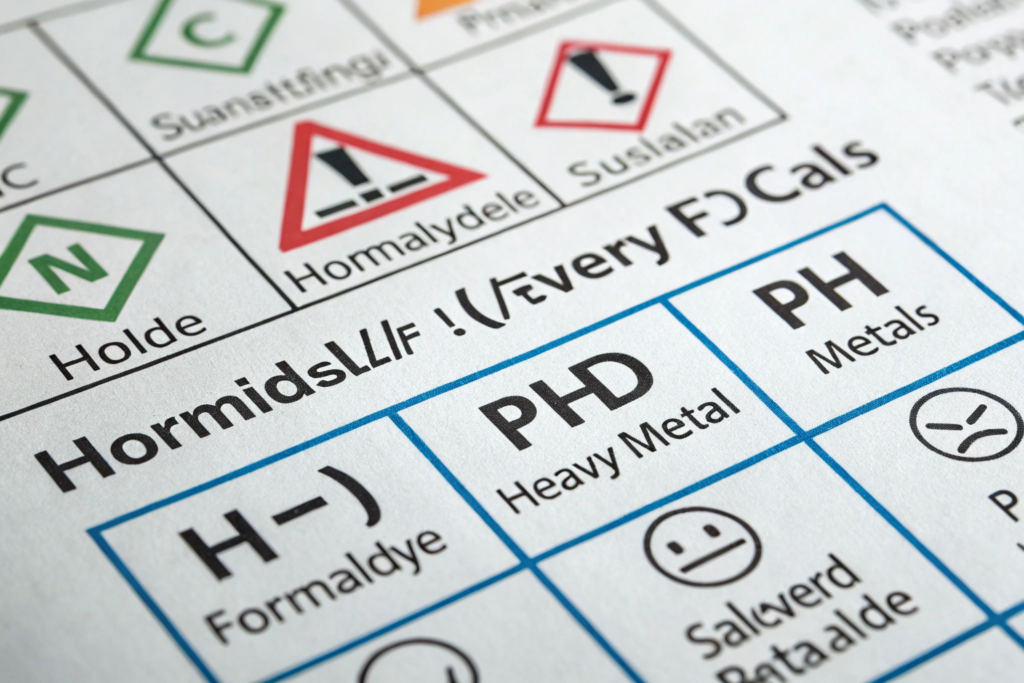
CMIA certification for textiles is comprehensive. It’s not a single test but a battery of assessments targeting the most common and hazardous chemical residues. The core focus is on restricting substances that pose risks to human health, aligning with both Chinese national standards (GB standards) and broader international concerns. This includes heavy metals like lead and cadmium, allergenic disperse dyes, formaldehyde content, and pH balance. Essentially, it checks for the "bad stuff" you can’t see or feel but definitely don’t want against consumer skin.
For professionals, the devil is in the parameters. Let’s dive deeper into what each category means for your product’s safety.
Why Are Heavy Metal Limits Non-Negotiable in Fabric Safety?
Heavy metals such as lead, cadmium, and arsenic can sometimes be found in fabrics due to certain dyes, pigments, or processing aids. These elements are toxic and can accumulate in the body over time. CMIA testing sets strict limits for their extractable content. From our experience at Shanghai Fumao, this is especially critical for children’s wear and intimate apparel. We once had a European client in 2022 who was nearly blindsided by a cadmium issue in a brilliantly colored polyester blend. Their initial supplier hadn’t conducted this specific test. Because our in-house CNAS lab runs these screens as standard protocol during how to develop safe and colorful performance fabrics for sportswear, we caught it at the sample stage, reformulated the dye, and saved them a potential nightmare. The process isn’t just about passing a test; it’s about designing the hazard out from the very beginning, often starting at the yarn sourcing stage.
How Does pH and Formaldehyde Testing Protect Brand Reputation?
Formaldehyde, used in some finishes for anti-wrinkle or shrinkage control, is a known skin irritant and potential carcinogen. pH value that is too acidic or alkaline can also cause skin discomfort. CMIA mandates that direct contact fabrics fall within a safe, neutral pH range and that formaldehyde levels are minimal or absent. This is a fundamental compliance requirement for major markets. A practical tip we always share: the risk often spikes during rushed orders or with unfamiliar sub-contractors. For instance, a quick-dry finish applied haphazardly can throw pH off. That’s why at Shanghai Fumao, our control doesn’t stop at the weaving mill; we monitor our cooperative dyeing and finishing partners closely. Understanding the relationship between fabric finishes and skin safety testing is a core part of our quality handshake with clients. We treat every meter as if it’s for our own children, because frankly, for many of our clients’ end-users, it is.
How Does CMIA Compare to OEKO-TEX and GOTS?
With so many eco-labels floating around, it’s easy to get confused. Is CMIA just a local version of OEKO-TEX? Does it compete with GOTS? Choosing the right certification isn’t about picking the "best" one, but the most relevant one for your market access, cost structure, and brand story. Let’s put them side-by-side.
Think of CMIA as a focused safety standard, OEKO-TEX STANDARD 100 as a broader, globally recognized safety standard, and GOTS as a holistic organic and ethical production system. CMIA is rooted in Chinese national standards (GB), making it highly authoritative for the Chinese market. OEKO-TEX, a European standard, is often the default requirement for EU and North American brands. GOTS goes beyond safety to encompass organic fiber sourcing, environmental management, and social criteria.
The key difference lies in their scope and recognition. Here’s a quick breakdown:
| Certification | Primary Focus | Geographic Recognition | Key Coverage |
|---|---|---|---|
| CMIA | Product Safety & Compliance | Strong in China & Asia | Harmful substances (heavy metals, formaldehyde, pH) per Chinese GB standards. |
| OEKO-TEX STANDARD 100 | Product Safety & Harmful Substances | Global, especially EU & USA | Extensive list of >100 regulated substances, independent of fiber type. |
| GOTS | Organic Integrity & Full Supply Chain Ethics | Global | Organic fiber content, environmental processing, social responsibility, plus safety. |

When Should CMIA Be Your Priority Certification?
CMIA should be a priority when your primary market includes China or when your supply chain is deeply rooted there and you need to ensure compliance with local regulations. It’s also a highly cost-effective and respected first step for brands building their safety credentials. For example, a US-based e-commerce startup we worked with in Q3 2023 was launching a line of linen bedding. Their initial goal was the US market, but they had eyes on Tmall Global in China. We advised them to pursue CMIA certification alongside their OEKO-TEX testing. This dual approach not only fortified their product’s safety story but also smoothed their future entry strategy for selling home textiles on Chinese e-commerce platforms. The CMIA report became a key asset in their talks with Chinese distributors, demonstrating localized compliance savvy.
Can Relying Solely on OEKO-TEX Leave Gaps in Your Supply Chain?
Not necessarily, but it depends on your risk assessment. OEKO-TEX is excellent and comprehensive for end-product safety. However, its focus is different from CMIA’s foundation in Chinese national standards. For factories operating within China, adhering to GB standards (which CMIA certifies) is a legal baseline. A supplier holding a valid CMIA certificate demonstrates active compliance with these local laws, which can be crucial for audit trails. Furthermore, some buyers find that suppliers familiar with the rigor of CMIA testing are generally more attuned to chemical management. In our operations, we use both. Our CNAS lab conducts tests aligned with GB and international methods. This dual-protocol approach means whether a client needs a guide to understanding Chinese GB standards for textile imports or an OEKO-TEX report, we have the data and the certified processes to back it up seamlessly. It’s about building a robust, transparent safety culture, not just collecting certificates.
What Are the Real Business Benefits for Importers?
Let’s talk brass tacks. Certifications cost money and time. So what’s the return on investment for you, the importer? Beyond the obvious "it’s safe," how does CMIA certification translate into tangible business advantages like smoother operations, stronger partnerships, and protection for your most valuable asset—your brand name?
The benefits are direct and multilayered. First, it de-risks your shipments. A CMIA certificate is a concrete document that can help prevent rejections at Chinese ports or disputes with customs authorities over safety standards. Second, it builds trust with your supplier. When you insist on certified materials, you signal that you’re a serious, long-term partner who values quality and compliance over just the lowest price. This often leads to better service and priority treatment. (Here’s a real talk moment: factories pay more attention to clients who know what to ask for).
But the advantages go even deeper, impacting your operational resilience and market flexibility.
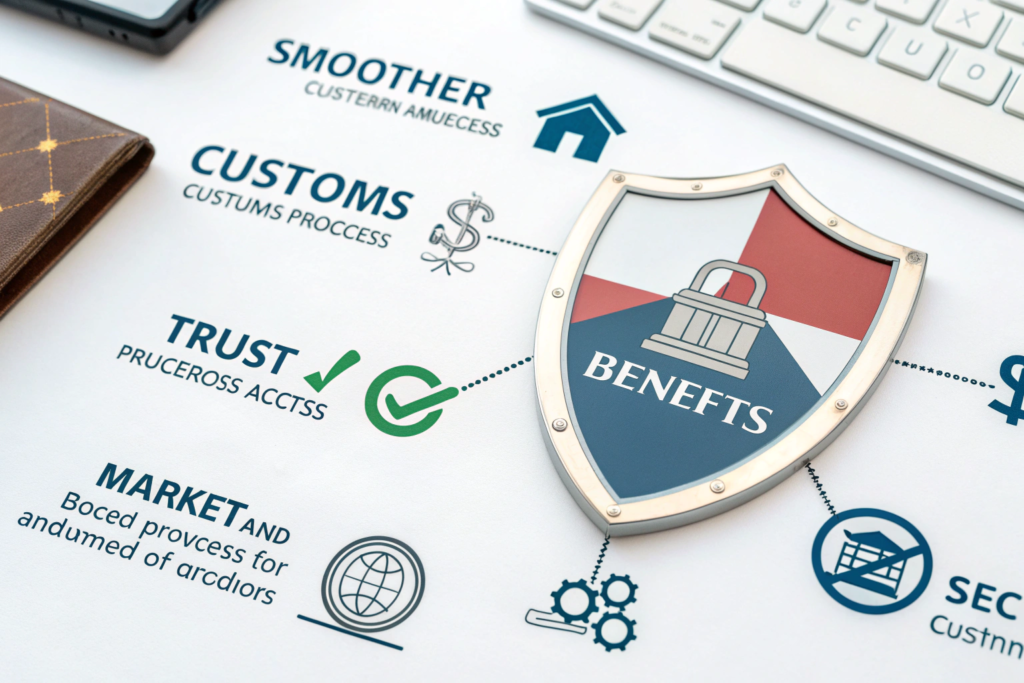
How Does CMIA Certification Streamline Customs Clearance?
In international trade, documentation is king. A CMIA certification report, issued by an accredited Chinese body, serves as powerful evidence that your goods comply with Chinese national technical regulations. While not always a mandatory entry document for all exports, it carries significant weight. If a border agency ever raises a question about product safety—a random inspection, for instance—presenting the CMIA certificate can swiftly resolve the issue. This prevents costly delays, storage fees, or even re-shipment. From our logistics team’s experience, having all compliance paperwork in order, including specific tips for navigating Asian textile import customs documentation, is what separates a smooth shipment from a logistical nightmare. It turns a potential week-long argument into a simple 10-minute paperwork check.
Does CMIA Open Doors to New Market Opportunities?
Absolutely. While CMIA is Chinese, its value is recognized throughout Asia and among global buyers who are savvy about supply chain due diligence. Holding this certification makes your product more attractive to distributors or retailers in markets like Southeast Asia, where Chinese standards are often referenced. It also demonstrates to all your customers that you conduct thorough, multi-layered safety checks. For instance, a UK-based sustainable activewear brand we partner with uses our CMIA-certified recycled polyester fabrics as a key selling point. They market it not just as "OEKO-TEX certified," but as "double-verified for safety," which resonates powerfully with their eco-conscious audience. This proactive approach to certification is a form of building a competitive edge in the sustainable apparel market. It’s no longer just a cost; it’s a marketing asset and a market-access tool.
How to Verify and Work with CMIA-Certified Suppliers?
You’re convinced of the value. Now, how do you move from theory to practice? How do you find truly certified suppliers and not just ones with a fancy logo on their website? And once you find them, how do you structure your collaboration to ensure the certification meaningfully covers your orders? This is where due diligence meets partnership.
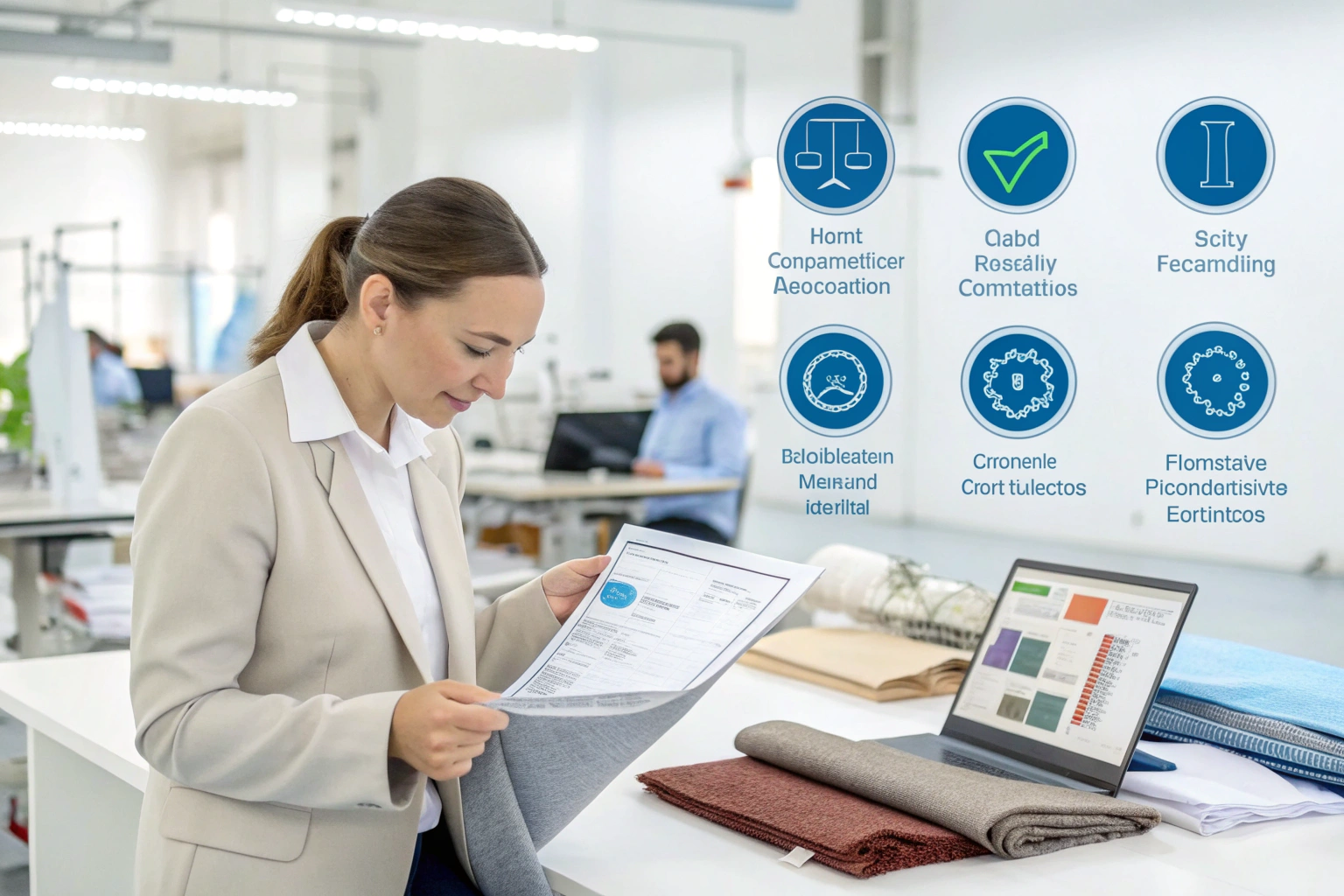
Verification is a two-step process: document checking and process auditing. First, always ask for the actual CMIA certification certificate and the corresponding test report for the specific fabric or product category you are purchasing. Check the issuing body, the validity date, and the standard referenced. Second, engage in a technical conversation. Ask how they manage chemical inventory, their testing frequency, and if they have in-house lab capabilities. A genuine supplier will be transparent and knowledgeable.
Finding and vetting these partners is critical, but the real magic happens in the ongoing collaboration.

What Questions Should You Ask Beyond the Certificate?
The certificate is a snapshot. You need to understand the movie. Ask pointed questions like: "Is this certification for your company or for specific products? Can you provide a new test report for my batch?" "What is your procedure if a new dye or chemical is introduced?" "Can I tour your quality control lab or see your testing equipment?" Their answers will reveal their depth of commitment. A great resource for formulating these questions is the Fashion Industry Forum on responsible sourcing practices, where many seasoned buyers share their audit checklists. In our case at Shanghai Fumao, we encourage this dialogue. We often host virtual factory tours for our international clients, showing them our QR code tracking system that links back to batch test data. This transparency turns a transaction into a trust-based partnership.
How to Integrate CMIA Compliance into Your Purchase Orders?
Make the certification a contractual obligation. Clearly specify in your PO or quality agreement that the supplied goods must comply with CMIA standards (citing the specific GB standard number, e.g., GB 18401) and that a valid, batch-specific test report must accompany shipment documents. You should also reserve the right to conduct third-party spot testing at your own cost. This legal framing protects you. Furthermore, work with your supplier from the development stage. When you’re selecting a fabric sourcing partner for small batch production, choose one that designs with compliance in mind. For example, when we develop a new jacquard for a client, we preselect yarns and dyes from our vetted, certified chemical partners. This integrated approach, which we’ve refined over 20 years in Keqiao, ensures compliance is woven into the product from the first sketch, not just tested for at the end. It’s more reliable and often more cost-effective in the long run.
Conclusion
Navigating the world of textile certifications like CMIA isn’t about collecting paperwork for its own sake. It’s a strategic exercise in risk management, brand protection, and market intelligence. As we’ve explored, CMIA offers a rigorous, China-centric framework for product safety that complements global standards like OEKO-TEX. It provides a clear path to comply with local regulations, smoothes logistical processes, and signals a serious commitment to quality that resonates with partners and consumers alike. In an industry where trust is the ultimate currency, these certifications are the audit trail that proves your claims.
The journey from raw fiber to finished garment is complex, filled with potential pitfalls. Partnering with a supplier who doesn’t just understand these certifications but has built them into their operational DNA is the key to navigating it successfully. It’s the difference between hoping your products are safe and knowing they are.
Ready to simplify your sourcing and build collections on a foundation of verified safety and quality? Let’s talk. At Shanghai Fumao, with our vertically integrated control from yarn to shipment and our CNAS-accredited in-house laboratory, we don’t just supply fabrics—we co-create secure, compliant, and innovative textile solutions. For a conversation about how we can bring your next project to life with confidence, reach out to our Business Director Elaine. She and her team are ready to partner with you. Contact Elaine at: elaine@fumaoclothing.com.