You’re sourcing fabric from overseas, the quality looks great, and the supplier seems trustworthy—but how do you make sure your payment is secure? It’s a question many international buyers ask, especially on their first big order.
The safest payment methods for international fabric orders include PayPal, Letter of Credit (L/C), Escrow, and bank cards through verified gateways. These methods offer varying degrees of buyer protection, security, and scalability depending on order size and trust level with the supplier.
In my 15 years running a textile export business, I’ve worked with clients across the U.S., Europe, and the Middle East. The biggest deal-breaker before the first order? Payment security.
How Secure is Using PayPal for Fabric Imports?
PayPal is familiar, fast, and often used for online transactions. But can it handle fabric orders?
PayPal is one of the safest payment methods for sample and small-batch fabric imports. It offers buyer protection, easy dispute resolution, and rapid fund reversal if issues arise. However, it may not suit bulk transactions due to high fees and currency limitations.
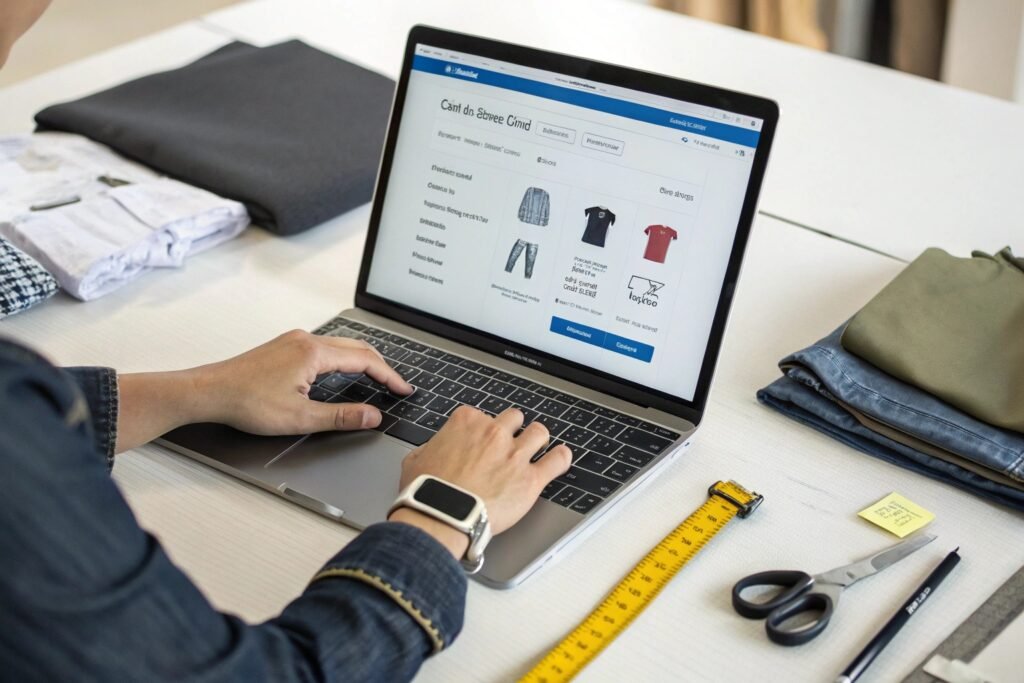
How does PayPal protect international buyers?
Most of our first-time clients—especially independent fashion brands in the U.S. and Europe—start with PayPal. It offers protection against:
- Non-delivery: You can file a claim if fabric samples never arrive.
- Wrong items: If the fabric weight, color, or weave differs from what you ordered, you’re eligible for a refund.
- Fraudulent suppliers: PayPal can freeze their account and investigate.
I recall one California-based designer who ordered 80 yards of printed chiffon. She paid with PayPal and received polyester organza instead. She submitted photographic proof, and PayPal refunded her in five days.
Is PayPal cost-effective for bulk orders?
| Factor | Small Orders | Bulk Orders |
|---|---|---|
| Transaction Fees | ~4.4% + fixed fee | Up to hundreds of dollars |
| Currency Exchange Markup | 2.5–3.5% | Cost adds up over $5,000 |
| Supplier Willingness | High | Often declines |
For larger transactions, most suppliers prefer other methods like T/T or L/C due to PayPal’s high fees and withdrawal limits in China.
Bank Transfer vs. Letter of Credit: Which is Safer?
Wire transfers (T/T) are the most common, while Letters of Credit offer more legal protection. But which should you choose?
Bank Transfers (T/T) are faster and cheaper but carry more risk for new buyers. Letters of Credit, although more complex and costly, protect both parties by ensuring the seller gets paid only after meeting agreed shipping and documentation terms.
What’s the difference in control and protection?
| Aspect | T/T (Telegraphic Transfer) | Letter of Credit (L/C) |
|---|---|---|
| Buyer Protection | Low | High (bank enforces terms) |
| Cost | Low (~$30–$50 fee) | High (1–2% of order value) |
| Trust Needed | High | Moderate |
| Use Case | Repeat clients | First-time, large transactions |
| Dispute Handling | Informal or court-based | Bank arbitrated |
Real-world example:
One of our long-time clients in New York switched to L/C after a $50,000 order of brushed flannel was delayed by two weeks. With L/C, the bank only released funds after we submitted the bill of lading and SGS fabric inspection report.
That assurance helped us continue working together—and we’ve since completed over 40 shipments.
L/C Best Practices:
- Use a confirmed, irrevocable L/C issued by a top-tier bank.
- Define clear shipment dates and penalties.
- Double-check the product specs in the contract.
Advantages of Escrow Payments for Fabric Purchases
Escrow payment offers the peace of mind that neither party loses out. But is it practical?
Escrow protects both buyers and sellers by holding funds until delivery is confirmed. It’s especially useful for first-time transactions, low-MOQ orders, or deals made through fabric sourcing platforms.

How does Escrow work?
An Escrow provider (e.g., Alibaba, GlobalSources, third-party agents) receives your payment, confirms receipt to the supplier, and releases funds only when:
- Tracking confirms delivery
- You approve product quality
- No disputes are filed during the holding period
We’ve supported Escrow for hundreds of new clients. One Canadian loungewear brand used Escrow to source 300 meters of bamboo viscose digitally printed with their brand artwork. They released payment only after confirming print color accuracy.
Pros and cons of Escrow:
| Advantage | Limitation |
|---|---|
| Prevents fraud | Slower fund release |
| Trusted by new buyers | Usually limited to specific platforms |
| No complex contracts needed | Handling fees 1.5–3% |
Escrow isn’t ideal for every case—but for new partnerships and small-batch printing orders, it builds trust fast.
Can Credit Cards Safely Be Used for Bulk Orders?
Paying by credit card is convenient. But can it protect your fabric order worth thousands of dollars?
Credit cards provide buyer protection and chargeback ability, but are typically used only for sample or low-volume orders. Most fabric manufacturers do not accept credit card payments for bulk due to fees and settlement limitations.
When is it safe to use credit cards?
- Orders under $1,000
- Urgent fabric swatches or strike-off approvals
- Online portals with Stripe/Payoneer integration
Our payment system allows new buyers to pay via Visa or Mastercard for digital print samples. This is popular among e-commerce brands testing color layouts before full runs.
Key credit card advantages:
- Fraud protection: Dispute resolution if goods not delivered
- Cash flow: Immediate access without transferring bank funds
- Speed: No banking hours, just online checkout
However, we discourage credit cards for orders above $5,000. Most banks charge 2.5–3% fees, and some Chinese suppliers legally can’t invoice bulk payments made via personal cards.
Compare to other methods:
| Method | Protection Level | Accepted by Suppliers | Cost Range |
|---|---|---|---|
| PayPal | High | Moderate | 4–6% |
| T/T | Low | High | $30–$50 |
| L/C | High | High | 1–2% of amount |
| Escrow | Medium | Platform-specific | 1.5–3% |
| Credit Card | High (small orders) | Low (bulk orders) | 2.5–3% |
Conclusion
No payment method is perfect. But with the right match, you can reduce your risk and build trust. Start small with PayPal or Escrow, and scale to bank transfers or Letters of Credit as the relationship matures. At Fumao Fabric, we accept all mainstream payment methods and help our clients choose what’s safest for their order volume and location.