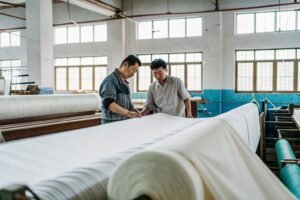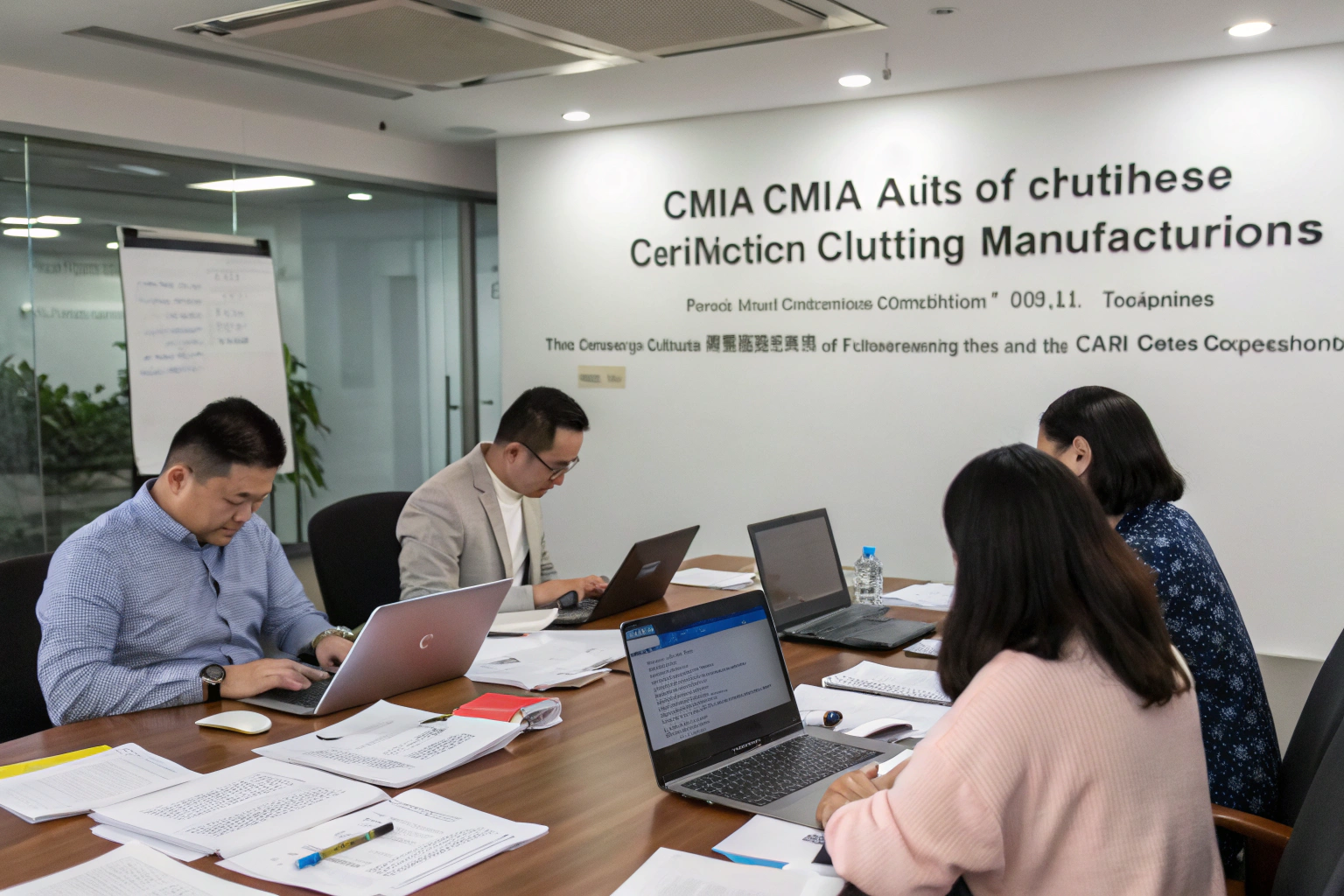
Let’s be brutally honest. In the textile business, especially on the manufacturing side, every cost line is scrutinized. When I first proposed committing to annual CMIA certification audits for Fumao Clothing, I faced the predictable questions: “Is this just a marketing expense?” “Can’t we just get the certificate once and be done with it?” “Our clients care about price and quality, not another piece of paper.” These were fair challenges from my team. After all, the audit fees, the consultant time, the internal man-hours—it all adds up. Year after year. So why do we, as a garment manufacturer, make this investment? The answer is simple, yet profound: because CMIA is not an expense; it’s the most strategic operational insurance and business development tool we have. It’s the system that allows us to reliably promise and deliver on the three things our clients truly care about: predictable cost, guaranteed quality, and ironclad on-time delivery, especially under complex terms like DDP. The annual reinvestment is what keeps that system alive and credible.
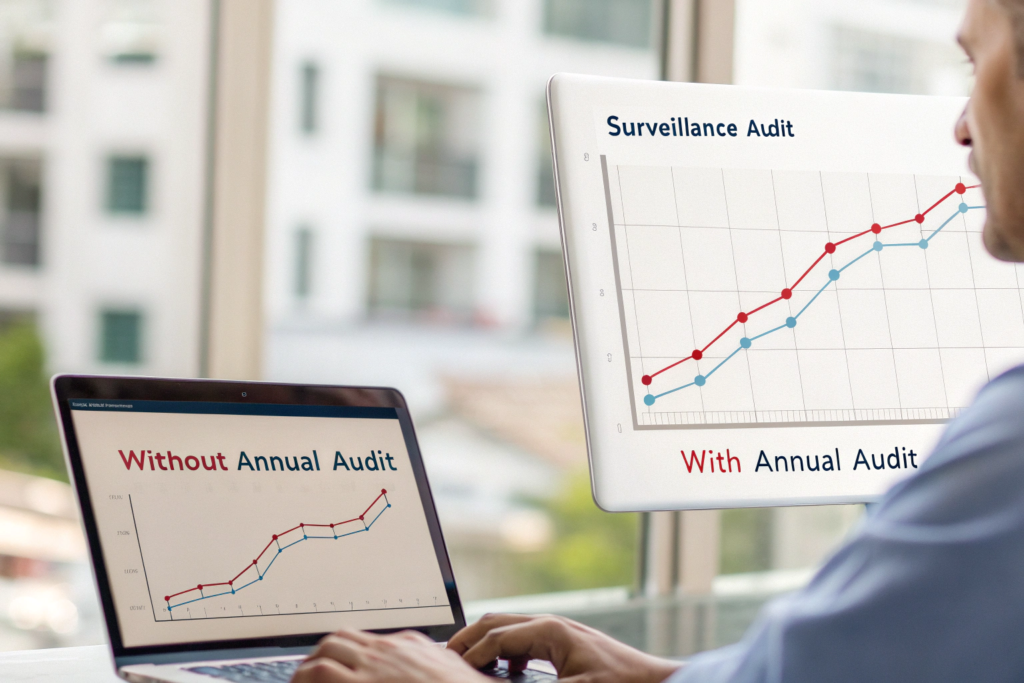
Think of a high-performance car. You don’t just buy it and never service it. You change the oil, rotate the tires, and get annual check-ups. Why? To ensure it performs reliably every single time you need it. That’s what the annual CMIA audit is for our factory. The initial certification was the engineering blueprint. The annual surveillance is the non-negotiable maintenance schedule that prevents breakdowns. It forces us to look under the hood, check our data, tighten our processes, and prove we’re still in top form. This discipline is what lets us look a client in the eye and say, “Your DDP shipment will leave on November 15th,” and have the data-driven processes to make that happen, rain or shine.
So, let me pull back the curtain. This isn’t about virtue signaling. It’s about cold, hard business logic in a hyper-competitive world. For Fumao Clothing, annual CMIA certification is the core of our operational DNA. It’s how we de-risk our clients’ supply chains and, in turn, build a business that is resilient, profitable, and built for the long term. Let me break down exactly how this yearly commitment translates directly into value for us and for you, our partner.
Annual Certification as Our Ironclad Guarantee for DDP Reliability
For our clients who rely on us for Delivered Duty Paid (DDP) shipping, trust is everything. They are handing us the keys to their entire logistics chain and cost predictability. One delay, one quality failure at destination, and their profitability evaporates. Our annual CMIA recertification is the backbone of the guarantee we offer them. It’s the systematic proof that we don’t run on hope or promises, but on controlled, audited processes.
The annual audit specifically reviews our corrective action system and performance tracking. This means any minor issue spotted in last year’s audit must be formally resolved, documented, and reviewed. For example, in our 2023 surveillance, an auditor noted a potential for better insulation on our steam pipes in the finishing section. By the 2024 audit, we had to present not just the invoice for the new insulation, but also the subsequent steam consumption data showing the 5% reduction. This culture of closing the loop is invaluable for DDP. It means when we identify a bottleneck in cutting efficiency that could delay a shipment, we have a mandated system to fix it permanently, not just patch it for that order. A client shipping knitted dresses with us to the UK on DDP terms benefits directly from this; they know the system that saved 3 days on production last quarter is now a formal, audited procedure, reducing their lead time risk for the next order.
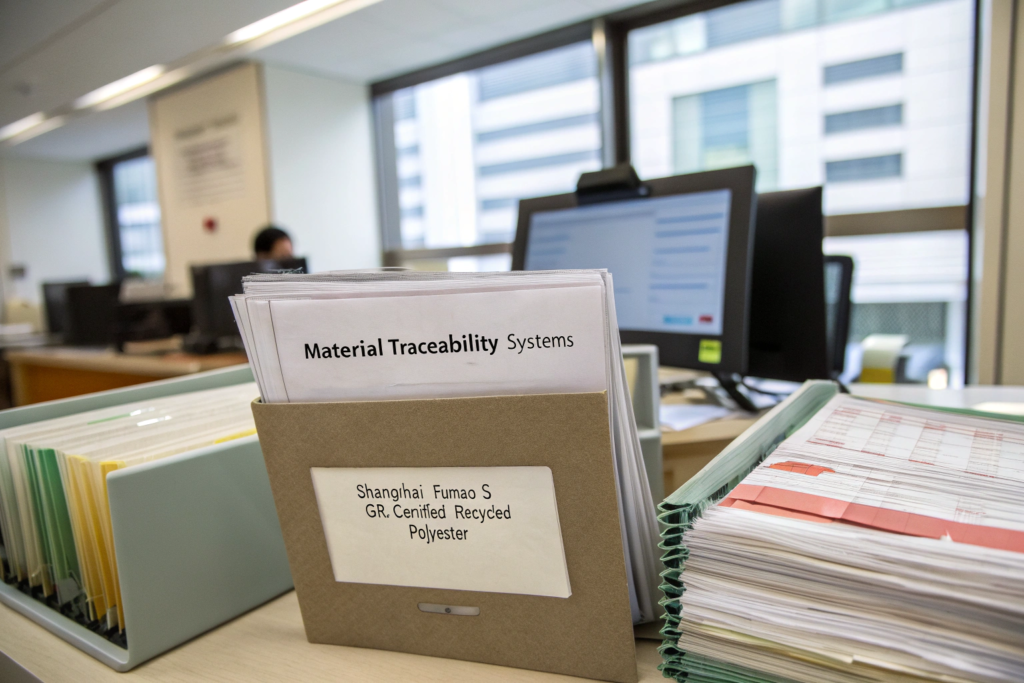
Furthermore, the audit ensures our material traceability systems are flawless. Under DDP, customs can ask for proof of origin or composition at any point. Our annual CMIA audit verifies that our system for tracking fabric from receipt (say, a batch of Shanghai Fumao’s GRS-certified recycled polyester) through to the finished garment carton is rigorous and document-ready. This turnkey documentation package we provide with every DDP shipment isn’t a nice-to-have; it’s an output of our certified management system. It directly prevents costly customs clearance delays for our clients.
How Does This Annual Check-Up Prevent “System Drift”?
All organizations suffer from “system drift”—the slow decay of good procedures over time as people get busy or complacent. The annual CMIA surveillance audit is our scheduled stop-drift mechanism. The external auditor acts as a fresh pair of eyes, asking “Why do you do it this way?” and “Prove it’s effective.” This forces every department head to re-engage with their procedures annually. It ensures our quality control protocols for inspecting inbound fabric, or our packing standards to prevent damage in transit, are never allowed to become sloppy. For a DDP client, this means the consistent quality and packaging they received in January will be identical in December, order after order.
What’s the Direct Financial Link to DDP Pricing?
A stable, efficient, low-risk system costs less to operate. The annual CMIA process identifies energy waste and material inefficiency. The savings we achieve—like the 8% reduction in fabric waste from optimized marking after our 2022 audit—are baked into our cost structure. This allows us to offer more competitive and, more importantly, more stable DDP quotes. Our clients aren’t subject to surprise cost-adders because we’ve already squeezed the inefficiencies out of our process under the auditor’s guidance. Our investment in certification directly funds their cost certainty.
The Unbeatable Marketing Tool That Opens Premium Doors
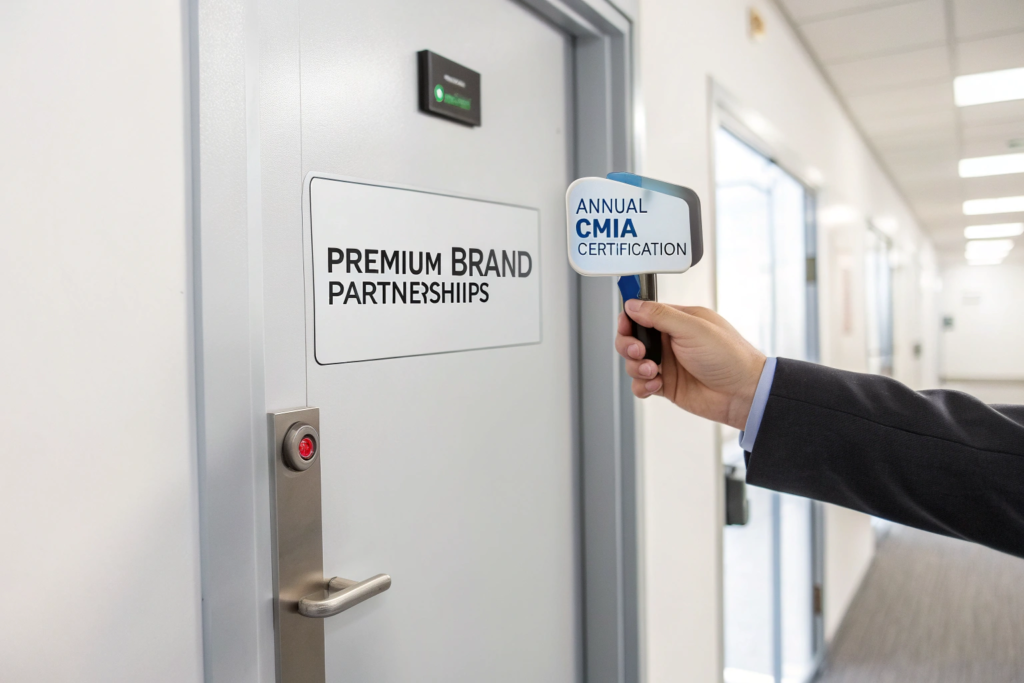
In a crowded market, factories shout about quality, service, and price. It’s noise. A current, annual CMIA certification isn’t a shout; it’s a verified credential that cuts through the noise. It’s the passcode that gets us past the gatekeepers and into conversations with the brands we want to build futures with.
When our sales team approaches a premium European activewear brand or a sustainable children’s wear company, they lead with this: “We are an annually CMIA-certified manufacturing partner.” This immediately does three things: 1) It qualifies us as serious. 2) It aligns us with their corporate sustainability goals. 3) It shifts the conversation from price to value. We’re not just another bid; we’re a strategic solution to their Scope 3 emissions reporting challenge. In 2023, this exact approach secured us a pilot project with a Danish lifestyle brand. Their sustainability manager told us, “We have 50 factories who can sew a shirt. We have 5 who can show us the carbon data per shirt. You’re in the five.” That pilot has now grown into a three-year framework agreement.
The “annual” part is critical. Anyone can get a certificate once. Maintaining it year-on-year demonstrates long-term commitment and operational maturity. It shows we’re built to last as a partner. Brands investing in multi-year collections don’t want a supplier that might let standards slide. Our annual certification is our pledge of consistent partnership. It’s why a US-based outdoor apparel startup chose us over a slightly cheaper competitor to produce their flagship shell jackets—they needed a partner whose credibility would bolster their own brand story from day one.
How Do We Leverage This in Our Digital Presence?
We don’t hide it in a downloads page. We feature it.
- Homepage Badge: A current CMIA certification badge is visible above the fold.
- Case Study Depth: Our project case studies don’t just show the final garment; they highlight the efficiency gains and data transparency enabled by our system. For instance, we showcase how we helped a client achieve a 15% lower carbon footprint for their organic cotton tee line through optimized production and logistics planning.
- Content Authority: We write blog posts (like this one) that explain the how and why, positioning Fumao Clothing as a thought leader in responsible manufacturing, not just a doer.
This content attracts the right clients who are pre-qualified to understand and pay for the value we create.
What’s the ROI on This “Marketing Tool”?
The return is measured in customer acquisition cost and lifetime value. The cost of acquiring a premium, sticky client through trade shows or agents is high. The CMIA certification acts as a powerful filter and attractor, significantly lowering our cost to find the right clients. Furthermore, these clients have a higher lifetime value—they place larger, repeat orders and are less price-volatile. The annual audit fee is dwarfed by the profit margin from just one such partnership secured because of our certified status.
Driving Continuous Internal Improvement and Cost Savings
This is where the investment pays for itself, many times over. The annual CMIA audit is not a passive inspection; it’s a catalyst for internal innovation and efficiency. The auditor’s questions force us to look at our operations through a new lens every single year.
The process mandates that we set annual environmental objectives and targets. These aren’t vague goals; they are specific, measurable projects. One year, our objective was to reduce electricity consumption in our sewing section by 5%. To meet this, we invested in servo-motors for 50 sewing machines. The auditor required us to show the purchase orders, the installation records, and the before-and-after energy meter data. The result? We achieved a 7% reduction. The annual audit cost was recovered in energy savings alone within 14 months. More importantly, that saving is now perpetual, improving our margin on every single order we run on those lines.
Similarly, to reduce water use (a key CMIA metric), we partnered with our fabric supplier, Shanghai Fumao, to switch to more premium low-water consumption fabrics for certain lines and optimized our own washing processes. This not only reduced our water bill and treatment costs but also became a selling point for brands looking to reduce their water footprint. The audit gave us the framework and discipline to execute and verify these improvements systematically.
How Does This Create a Culture of Excellence?
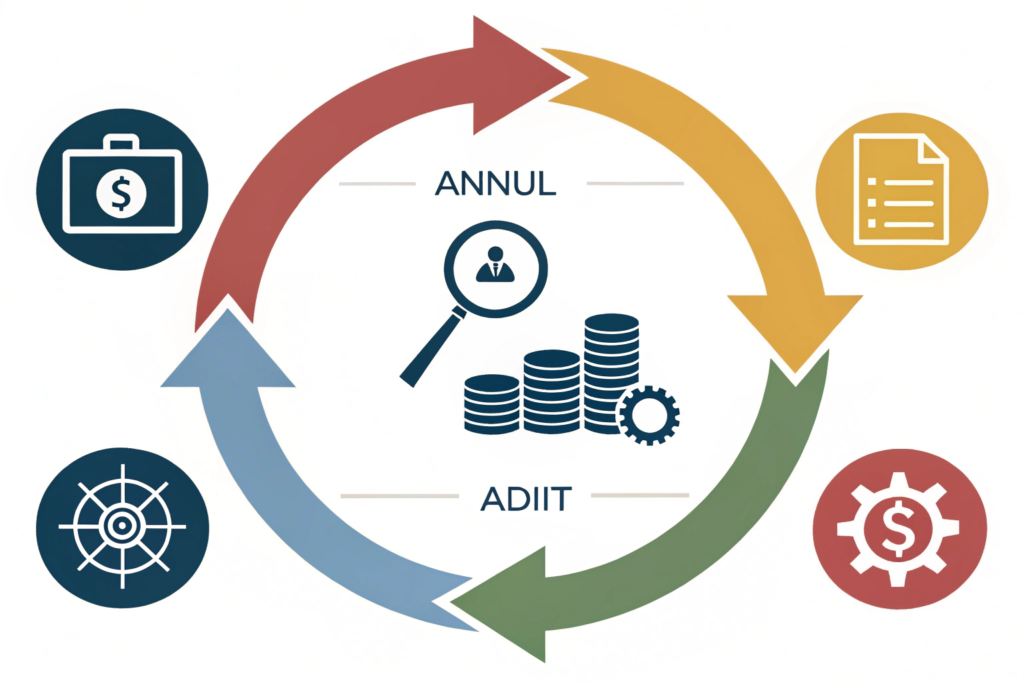
The annual cycle creates a rhythm of planning, doing, checking, and acting (the PDCA cycle) that becomes ingrained in our management. Department heads now come to quarterly reviews with data, not just anecdotes. They proactively suggest improvements because they know they’ll be accountable for their area’s performance in the next audit. This transforms our culture from reactive to proactive, from managing problems to preventing them. This cultural shift is perhaps the most valuable intangible asset the annual certification delivers.
Can You Give a Concrete Example of a Process Improvement?
A clear example is in material utilization. Our CMIA-driven waste tracking revealed a consistent 2% higher fabric waste in our cutting room for jacquard knits compared to plain knits. The root cause was manual pattern alignment. The annual improvement target we set was to reduce jacquard waste by 1.5%. This forced the investment in an AI-powered visual recognition system for our cutting plotter. We not only hit the target (achieving 1.8% reduction) but also improved overall cutting speed. This improvement, driven by the audit cycle, directly increased our profitability on all jacquard garment orders.
Future-Proofing Our Business Against Regulatory Changes
The global regulatory landscape for manufacturing and trade is shifting rapidly. Policies like the EU’s Carbon Border Adjustment Mechanism (CBAM) and the increasing strictness of Extended Producer Responsibility (EPR) laws are no longer on the horizon—they are here. For an importer under DDP terms, these are massive new cost and compliance risks. Our annual CMIA investment is our strategy to future-proof both ourselves and our clients against this wave.
CMIA certification requires us to calculate our carbon footprint (Scope 1 & 2). This isn’t a one-time calculation; it’s an annually verified metric. When CBAM fully phases in, importers will need accurate carbon data for their goods to calculate and pay any applicable border tax. As a CMIA-certified DDP supplier, we will be able to provide our clients with a verified, auditor-checked carbon footprint per dozen garments. This gives them certainty in their cost calculations and a competitive advantage if our footprint is lower than the industry average. We’re not waiting for the law to force us; we’re building the data infrastructure now.
Furthermore, regulations around chemical use (like EU REACH) and supply chain due diligence (like the German Supply Chain Act) are tightening. The management systems reviewed in our annual CMIA audit—our chemical inventory, our SDS management, our supplier evaluation procedures—are exactly the systems needed to comply. For our DDP clients in Europe, this means the garment shipment arriving at their warehouse comes with a de-risked compliance profile, backed by an annual third-party check. We absorb the complexity so they don’t have to.
How Does This Provide a Competitive Moat?
While other factories scramble to understand CBAM or react to new chemical bans, we have a running start. Our systems are already built and audited. This allows us to engage clients in strategic conversations about “future-proof sourcing.” We can confidently say, “Partner with us, and your compliance risk for the next five years is managed.” This builds a moat around our business. It’s very hard for a non-certified competitor to quickly replicate this depth of embedded management and data.
What’s the Client Value Proposition Here?
For our clients, the value is risk mitigation and strategic agility. They can focus on designing and selling great products, knowing their manufacturing partner is proactively navigating the complex regulatory future on their behalf. It makes their business more resilient. In an era of volatility, this peace of mind is a premium service they are willing to invest in, and it cements our role as a true extension of their own team.
Conclusion
So, why does Fumao Clothing invest in annual CMIA certification? The answer is now clear: because it is the singular most effective investment we make in our own operational excellence, market credibility, and long-term viability. It is the engine that drives the reliability we promise in DDP shipping, the key that unlocks partnerships with forward-thinking brands, the framework that systematically lowers our costs, and the shield that protects our business from future regulatory storms.
The annual fee is not a cost; it is the subscription to a system of guaranteed improvement. It holds us accountable to our own highest standards, year after year. This relentless focus on verified, data-driven performance is what allows us to move beyond being just a supplier and become a strategic partner to our clients. We don’t just make clothes; we deliver certainty in an uncertain world.
If you are a brand or buyer looking for more than just a factory—if you seek a partner built on transparency, discipline, and a commitment to continuous improvement—then our annual CMIA certification is your assurance. It represents our promise to you. To explore how this commitment can translate into a smoother, more reliable, and more sustainable supply chain for your products, we invite you to connect with our Business Director, Elaine. She can detail the tangible benefits for your next project. Reach her at elaine@fumaoclothing.com. Let’s build a partnership where certainty is woven into every garment.