Many overseas buyers ask me about should retail buyers know about fabric defects before fabric purchasing because they want fewer surprises after they place a bulk order. They need stable fabric, clear cost, and a supplier who can answer fast when production pressure is high.
My direct answer is simple. A buyer should not choose fabric only by a low quotation. I check the end use, the test requirement, the bulk risk, the logistics plan, and the communication process before I suggest a fabric route.
In this guide, I explain how I handle cotton fabric inquiries from the position of a Chinese fabric supplier with factory resources. I use a practical workflow that B2B buyers can copy before they confirm samples or send a purchase order.
How Should Buyers Start?
I treat this part as the foundation of should retail buyers know about fabric defects before fabric purchasing. When the first discussion is clear, the rest of the order becomes easier to control. A short but accurate brief saves time for the buyer, the merchandiser, the dyeing mill, the finishing team, and the inspection team.
What problem does this fabric order need to solve?
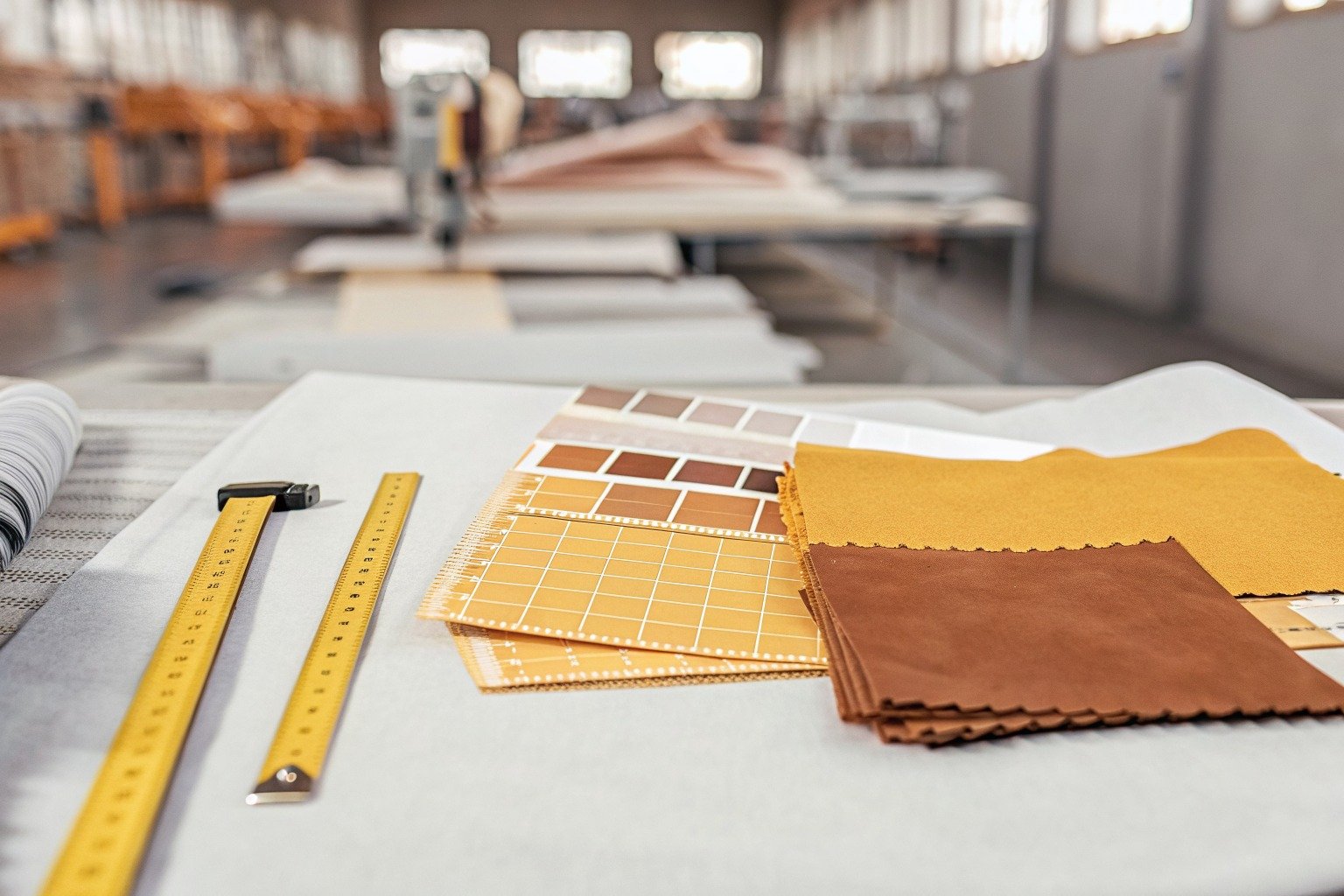
For should retail buyers know about fabric defects before fabric purchasing, I first ask where the fabric will be used and what result the buyer must guarantee. A sportswear buyer may care about stretch recovery and moisture movement. A workwear buyer may care about strength, color fastness, and washing stability. A fashion buyer may care more about drape, hand feel, shade, and surface effect.
I then turn that business goal into fabric specifications. I check composition, yarn count, construction, GSM, width, finishing, color standard, packing method, inspection level, and target delivery date. This step is simple, but it prevents many expensive mistakes later.
I also ask buyers to separate must-have requirements from nice-to-have requirements. If every point is treated as equal, cost and lead time can move too high. If the main requirement is clear, I can suggest a realistic fabric route and explain the trade-off in plain language.
For testing and compliance, I use buyer standards first and then match them with recognized references such as OEKO-TEX STANDARD 100. This helps both sides speak with the same testing language. It also makes the quotation more serious because the factory knows what it must prove.
Which specifications should be clear before sampling?
For should retail buyers know about fabric defects before fabric purchasing, I first ask where the fabric will be used and what result the buyer must guarantee. A sportswear buyer may care about stretch recovery and moisture movement. A workwear buyer may care about strength, color fastness, and washing stability. A fashion buyer may care more about drape, hand feel, shade, and surface effect.
I then turn that business goal into fabric specifications. I check composition, yarn count, construction, GSM, width, finishing, color standard, packing method, inspection level, and target delivery date. This step is simple, but it prevents many expensive mistakes later.
I also ask buyers to separate must-have requirements from nice-to-have requirements. If every point is treated as equal, cost and lead time can move too high. If the main requirement is clear, I can suggest a realistic fabric route and explain the trade-off in plain language.
For testing and compliance, I use buyer standards first and then match them with recognized references such as GOTS organic textile standard. This helps both sides speak with the same testing language. It also makes the quotation more serious because the factory knows what it must prove.
How Do We Control Quality?
I treat this part as the foundation of should retail buyers know about fabric defects before fabric purchasing. When the first discussion is clear, the rest of the order becomes easier to control. A short but accurate brief saves time for the buyer, the merchandiser, the dyeing mill, the finishing team, and the inspection team.

What tests should I prepare before bulk production?
For quality control, I compare the approved sample with lab dips, pre-production sample, bulk fabric, and final packing. The buyer should not wait until final inspection to discover a problem.
I prefer to define the test method before production starts. Shrinkage, color fastness, pilling, bursting strength, and fabric weight can be checked by internal control or by a third-party lab depending on the order risk.
I also ask buyers to separate must-have requirements from nice-to-have requirements. If every point is treated as equal, cost and lead time can move too high. If the main requirement is clear, I can suggest a realistic fabric route and explain the trade-off in plain language.
For testing and compliance, I use buyer standards first and then match them with recognized references such as Textile Exchange standards. This helps both sides speak with the same testing language. It also makes the quotation more serious because the factory knows what it must prove.
| Quality Point | What I Check | Buyer Action |
|---|---|---|
| Composition | Fiber content and blend ratio | Confirm with supplier record or lab test |
| GSM and width | Bulk weight and usable cutting width | Check before and after finishing |
| Color fastness | Rubbing, washing, perspiration, light if needed | Set method and grade before order |
| Shrinkage | Dimensional change after washing | Test by buyer wash condition |
| Surface defects | Stains, holes, barre, slubs, crease marks | Inspect by roll and defect level |
How do I keep bulk fabric close to the approved sample?
For quality control, I compare the approved sample with lab dips, pre-production sample, bulk fabric, and final packing. The buyer should not wait until final inspection to discover a problem.
I prefer to define the test method before production starts. Shrinkage, color fastness, pilling, bursting strength, and fabric weight can be checked by internal control or by a third-party lab depending on the order risk.
I also ask buyers to separate must-have requirements from nice-to-have requirements. If every point is treated as equal, cost and lead time can move too high. If the main requirement is clear, I can suggest a realistic fabric route and explain the trade-off in plain language.
For testing and compliance, I use buyer standards first and then match them with recognized references such as AATCC textile testing. This helps both sides speak with the same testing language. It also makes the quotation more serious because the factory knows what it must prove.
What Affects Price?
I treat this part as the foundation of should retail buyers know about fabric defects before fabric purchasing. When the first discussion is clear, the rest of the order becomes easier to control. A short but accurate brief saves time for the buyer, the merchandiser, the dyeing mill, the finishing team, and the inspection team.
How do MOQ, yarn, finishing, and loss rate change cost?
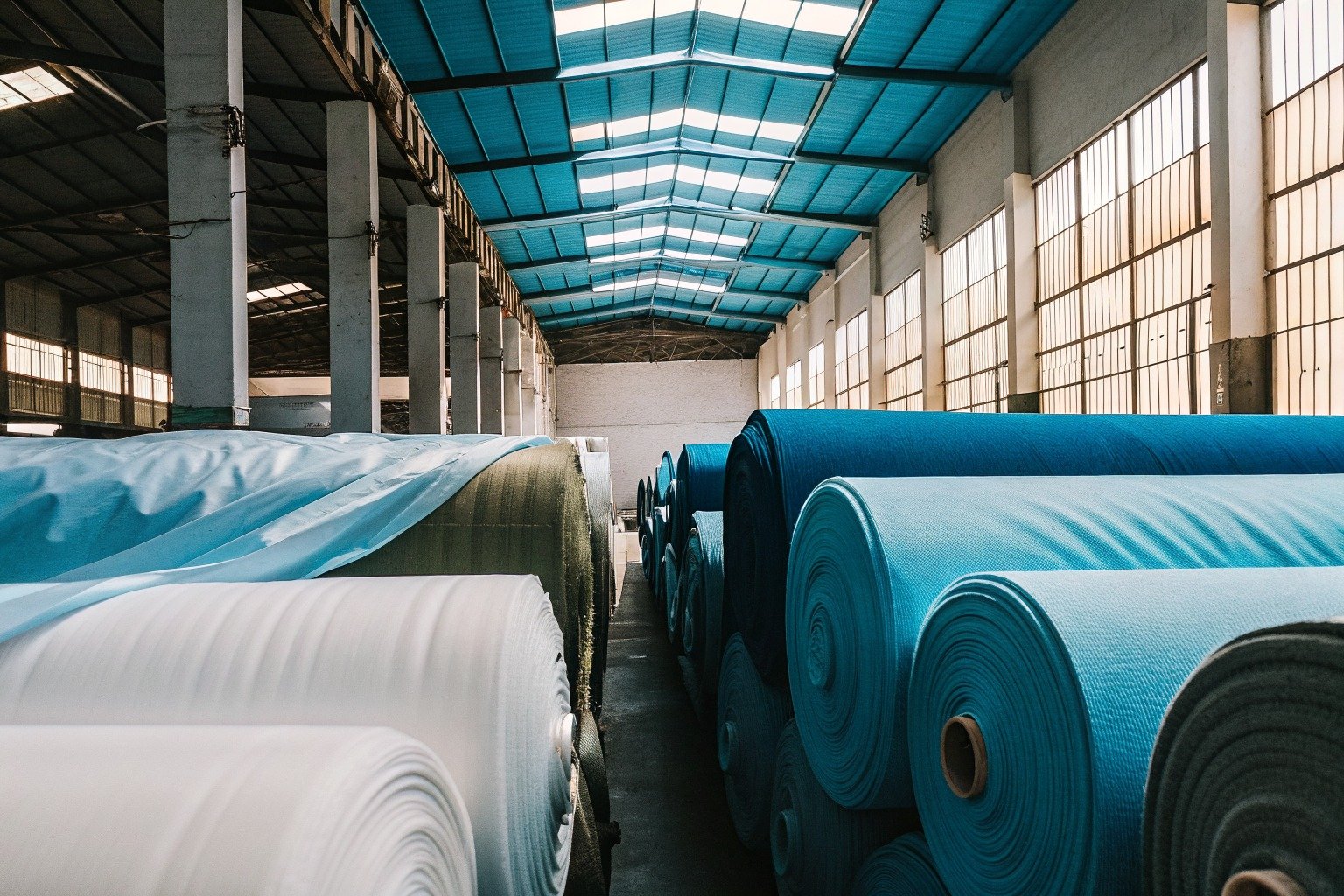
Price for should retail buyers know about fabric defects before fabric purchasing changes when yarn, greige fabric, dyeing, finishing, testing, packing, and loss rate change. I do not like to quote a number without knowing these details because it can create a fake low price.
I usually show buyers which items are fixed and which items can be adjusted. MOQ, color quantity, fabric width, and finishing route can all move the unit cost. This is why a clear technical sheet often creates a better price than a vague inquiry.
I also ask buyers to separate must-have requirements from nice-to-have requirements. If every point is treated as equal, cost and lead time can move too high. If the main requirement is clear, I can suggest a realistic fabric route and explain the trade-off in plain language.
For testing and compliance, I use buyer standards first and then match them with recognized references such as ASTM textile standards. This helps both sides speak with the same testing language. It also makes the quotation more serious because the factory knows what it must prove.
| Cost Factor | What It Includes | Why It Matters |
|---|---|---|
| Fabric construction | Yarn, density, knitting or weaving route | Main driver of base cost |
| Finishing | Coating, brushing, wicking, waterproofing, anti-bacterial finish | Adds cost and test risk |
| MOQ and color count | Dyeing minimums and machine efficiency | Affects unit price and lead time |
| Testing | Internal checks or third-party lab reports | Adds cost but reduces claim risk |
| Trade term | FOB, CIF, or DDP | Changes landed cost comparison |
Which trade term gives buyers a clearer landed cost?
Price for should retail buyers know about fabric defects before fabric purchasing changes when yarn, greige fabric, dyeing, finishing, testing, packing, and loss rate change. I do not like to quote a number without knowing these details because it can create a fake low price.
I usually show buyers which items are fixed and which items can be adjusted. MOQ, color quantity, fabric width, and finishing route can all move the unit cost. This is why a clear technical sheet often creates a better price than a vague inquiry.
I also ask buyers to separate must-have requirements from nice-to-have requirements. If every point is treated as equal, cost and lead time can move too high. If the main requirement is clear, I can suggest a realistic fabric route and explain the trade-off in plain language.
For testing and compliance, I use buyer standards first and then match them with recognized references such as ISO 9001 quality management. This helps both sides speak with the same testing language. It also makes the quotation more serious because the factory knows what it must prove.
How Do We Ship And Support?
I treat this part as the foundation of should retail buyers know about fabric defects before fabric purchasing. When the first discussion is clear, the rest of the order becomes easier to control. A short but accurate brief saves time for the buyer, the merchandiser, the dyeing mill, the finishing team, and the inspection team.
What should buyers check before shipment leaves China?
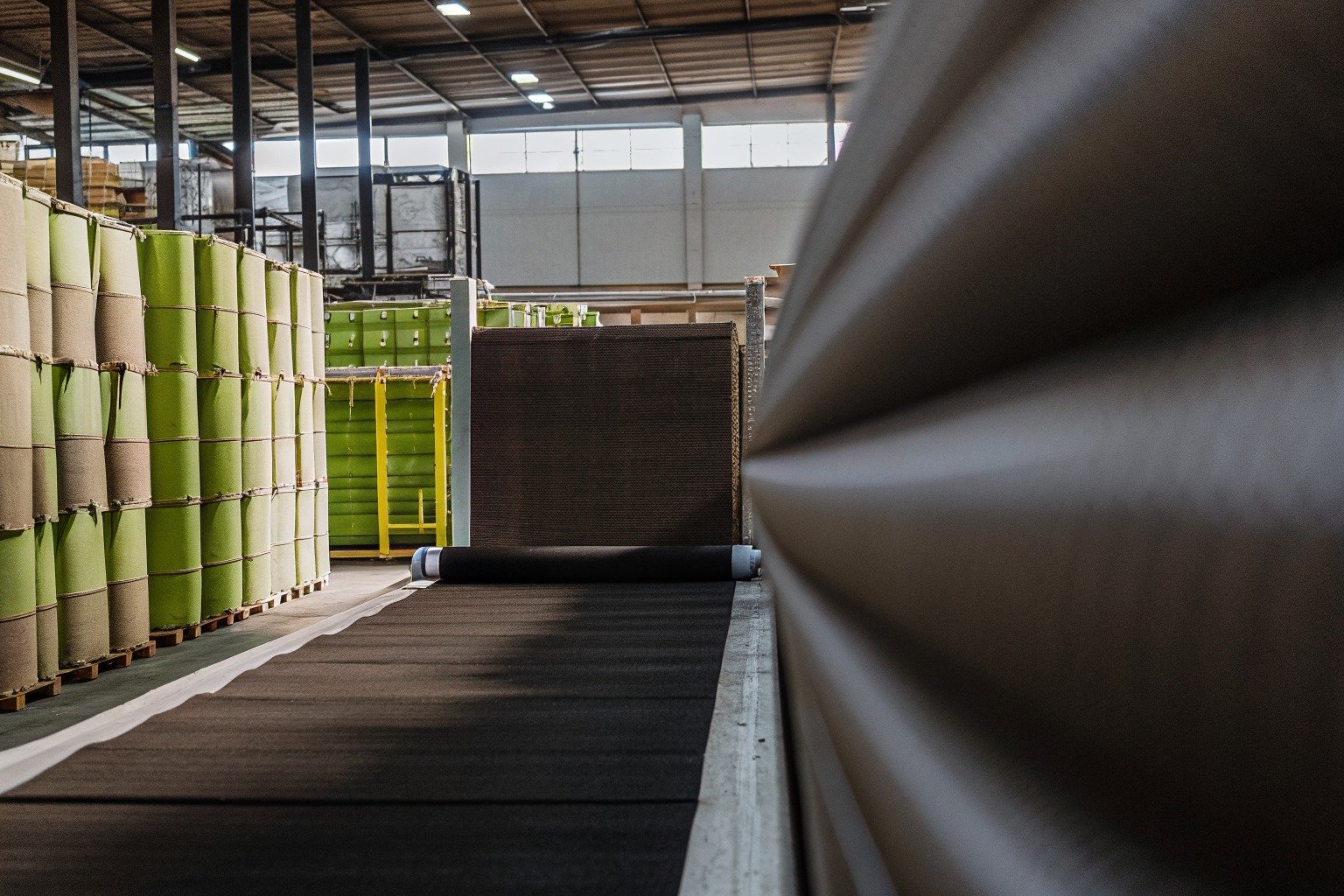
Before shipment, I check carton marks, roll length, net weight, gross weight, packing list, inspection result, and booking plan. Fabric is heavy and bulky, so a small packing mistake can increase cost.
For FOB, CIF, or DDP orders, I explain which side controls local charges, freight, duty, and final delivery. The buyer should compare the total landed cost, not only the fabric unit price.
I also ask buyers to separate must-have requirements from nice-to-have requirements. If every point is treated as equal, cost and lead time can move too high. If the main requirement is clear, I can suggest a realistic fabric route and explain the trade-off in plain language.
For testing and compliance, I use buyer standards first and then match them with recognized references such as FTC textile labeling guidance. This helps both sides speak with the same testing language. It also makes the quotation more serious because the factory knows what it must prove.
How can a supplier support repeat orders after delivery?
Before shipment, I check carton marks, roll length, net weight, gross weight, packing list, inspection result, and booking plan. Fabric is heavy and bulky, so a small packing mistake can increase cost.
For FOB, CIF, or DDP orders, I explain which side controls local charges, freight, duty, and final delivery. The buyer should compare the total landed cost, not only the fabric unit price.
I also ask buyers to separate must-have requirements from nice-to-have requirements. If every point is treated as equal, cost and lead time can move too high. If the main requirement is clear, I can suggest a realistic fabric route and explain the trade-off in plain language.
For testing and compliance, I use buyer standards first and then match them with recognized references such as U.S. Customs importer tips. This helps both sides speak with the same testing language. It also makes the quotation more serious because the factory knows what it must prove.
Conclusion
When a buyer sources should retail buyers know about fabric defects before fabric purchasing, I believe the best result comes from clear specifications, honest risk review, and steady factory follow-up. A good fabric order is not only a price negotiation. It is a production plan.
At FumaoFabric, I can help buyers review standard fabrics and functional fabrics, arrange sampling, control quality points, and coordinate export terms such as FOB, CIF, and DDP. We work from China with three factory resources and serve buyers in the USA, EU, Middle East, Southeast Asia, South Asia, and Africa.
If you are planning a new fabric order, you can contact Elaine Zhou at elaine@fumaoclothing.com. I will help you check the fabric route, sample plan, testing needs, lead time, packaging, and shipment method before you commit to bulk production.
#shagnhaigarment #fumao #fumaoclothing #fumaokidswear #cotton #fabric #what #retail #know #about